
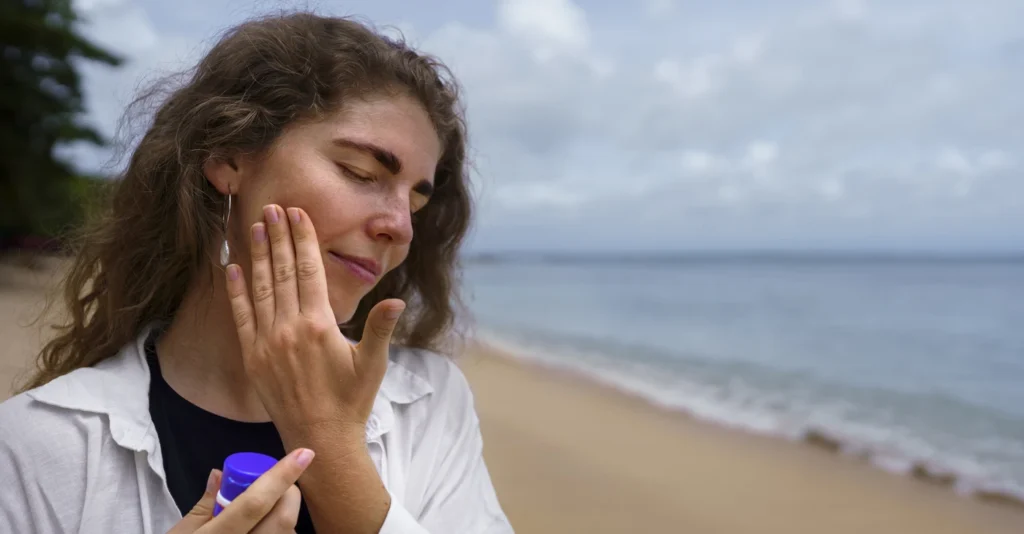
Spending time in the sun should feel enjoyable, but for many people it often leads to discomfort, redness, or unexpected skin irritation. You may not realize how quickly sun exposure can affect your skin until the damage has already started, and that can leave you feeling frustrated and concerned during hot summer days.
Sun damage can become serious if it is ignored, especially during prolonged exposure in peak heat hours. If you experience severe sunburn, dizziness, or signs of dehydration, it’s important to seek medical attention without delay. Visit us at our Lake Jackson ER, emergency room in Waxahachie, TX, and Altus ER in Lumberton, TX, for prompt care for sun-related conditions when they require urgent medical support.
How Sun Rays Affect Your Skin and Health
Sun exposure is a part of everyday life, but too much direct sunlight can affect both your skin and overall health. While some effects appear quickly, others develop over time. Understanding the risks can help you take steps to stay protected during outdoor activities.
- Sunburn: UV rays can damage the skin, causing redness, pain, swelling, and sometimes blistering.
- Premature Skin Aging: Repeated sun exposure can break down collagen, leading to wrinkles, fine lines, and age spots.
- Increased Risk of Skin Cancer: Unprotected exposure to UV radiation can damage skin cells and increase the risk of skin cancer.
- Uneven Skin Tone and Dark Spots: Excess sunlight can trigger pigmentation changes, resulting in dark spots and uneven skin tone.
- Eye Damage: Prolonged UV exposure may increase the risk of cataracts and other vision-related problems.
- Heat Exhaustion: Excessive heat and sweating can lead to dehydration, dizziness, headache, nausea, weakness, and muscle cramps.
- Heat Stroke: A dangerously high body temperature can cause confusion, fainting, seizures, rapid heartbeat, and requires immediate medical attention.
Who Is Most at Risk During Summer Sun Exposure?
- Older Adults: Aging can make it harder for the body to regulate temperature, increasing the risk of heat-related illnesses.
- Infants and Young Children: Children are more vulnerable to heat and dehydration because their bodies do not cool themselves as efficiently as adults.
- Outdoor Workers: People who spend long hours outside are at greater risk of prolonged sun exposure, dehydration, and heat-related illness.
- Athletes and Outdoor Enthusiasts: Outdoor physical activity can increase the risk of sunburn, overheating, and fluid loss.
- People Taking Certain Medications: Some medications can increase sensitivity to sunlight or affect hydration and temperature regulation.
- Individuals With a History of Skin Cancer: Previous skin cancer or significant sun damage may increase the risk of future sun-related skin problems.
An NIH-backed study found that 37.1% of U.S. adults experienced at least one sunburn within a year, showing that harmful sun exposure is still very common. These findings highlight the importance of consistent sun protection to help reduce health risks and prevent long-term skin damage.
Top Sun Protection Tips
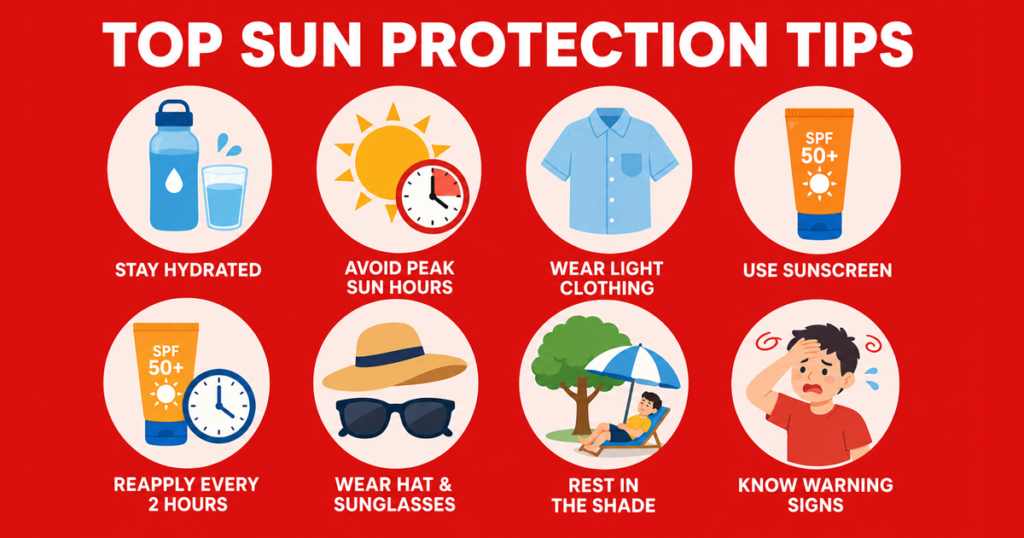
Protecting yourself from the sun is essential for staying healthy during the summer. Even on mild days, prolonged sun exposure can increase the risk of sunburn, dehydration, and heat-related illnesses. Taking a few simple precautions can help protect your skin, eyes, and overall well-being while spending time outdoors.
1. Wear Sunscreen Daily
Sunscreen helps protect the skin from harmful ultraviolet (UV) rays that can cause sunburn and long-term skin damage. Choosing a broad-spectrum sunscreen with an SPF of 30 or higher provides reliable protection for outdoor activities. Apply it generously to all exposed skin, including commonly missed areas such as the ears, neck, and tops of the feet. Making sunscreen part of your daily routine can help reduce the risk of premature aging and skin cancer.
How Often Should You Reapply Sunscreen?
Reapply sunscreen every two hours when outdoors. If you are swimming, sweating heavily, or drying off with a towel, reapply immediately afterward, even if the product is labeled water-resistant.
2. Seek Shade During Peak Sun Hours
The sun’s rays are strongest between 10 a.m. and 4 p.m., making this the highest-risk period for sun damage. Spending time in shaded areas can help reduce direct UV exposure and lower the risk of overheating. Trees, umbrellas, canopies, and covered structures can all provide valuable protection.
3. Wear Protective Clothing
Lightweight, long-sleeved shirts and long pants can create an effective barrier between your skin and the sun. Fabrics designed with UV protection offer an additional layer of defense against harmful rays. Loose-fitting clothing can also help keep the body cooler in hot weather.
4. Stay Hydrated
Hot temperatures and sun exposure increase fluid loss through sweating, which can lead to dehydration. Drinking water regularly helps the body regulate temperature and maintain normal function. It is important to hydrate before feeling thirsty, especially during outdoor activities. Keeping a reusable water bottle nearby can make it easier to maintain healthy hydration habits.
5. Wear a Wide-Brimmed Hat
A wide-brimmed hat provides shade for the face, ears, neck, and scalp, which are areas commonly exposed to direct sunlight. Compared to caps, wide-brimmed hats offer more complete protection from UV rays. They can also help keep you cooler by reducing direct heat on the head.
6. Protect Your Eyes With Sunglasses
Exposure to UV radiation can affect eye health and increase the risk of certain vision problems over time. Sunglasses that block 100% of UVA and UVB rays help protect the eyes from harmful exposure. They can also reduce glare and improve comfort during bright summer days.
7. Avoid Outdoor Activities During Extreme Heat
Exercising or working outdoors during the hottest part of the day increases the risk of heat exhaustion and heat stroke. If possible, plan strenuous activities during cooler morning or evening hours. Taking frequent breaks and finding shaded areas can also help prevent overheating.
8. Monitor Children and Older Adults Closely
Children and older adults are often more vulnerable to heat-related illnesses and sun damage. They may become dehydrated more quickly or have difficulty recognizing early warning signs of heat stress. Ensuring they stay hydrated, wear protective clothing, and take breaks from the sun can help reduce risks.
9. Know the Signs of Heat-Related Illness
Recognizing early symptoms of heat exhaustion and heat stroke can help prevent a medical emergency. Warning signs may include dizziness, weakness, headache, nausea, excessive sweating, confusion, or fainting. Responding quickly by moving to a cooler location and seeking medical care when necessary is essential.
Heat Stroke vs Heat Exhaustion: What’s the Difference?
Heat Exhaustion
- Body Temperature: Usually elevated but typically remains below 104°F (40°C).
- Mental State: Causes weakness, fatigue, dizziness, and difficulty focusing.
- Sweating: Heavy sweating is common as the body tries to cool itself.
- Skin Condition: Skin may feel cool, pale, or clammy due to fluid loss.
- Symptoms: Includes headache, nausea, muscle cramps, excessive thirst, and dizziness.
- Response: Improves with rest, hydration, and moving to a cooler place if treated early.
Heat Stroke
- Body Temperature: Reaches 104°F (40°C) or higher, indicating severe overheating.
- Mental State: Can cause confusion, disorientation, slurred speech, or unconsciousness.
- Sweating: Skin may become hot and dry, though sweating can sometimes still occur.
- Skin Condition: Skin often appears flushed and very hot to the touch.
- Symptoms: Includes rapid heartbeat, seizures, severe headache, vomiting, and loss of consciousness.
- Response: A life-threatening emergency requiring immediate medical treatment.
When to Go to the ER
While mild sunburn, dehydration, and heat-related symptoms can often be managed with rest and hydration, more severe symptoms may require immediate medical attention. Prolonged sun exposure can lead to serious conditions such as heat exhaustion, heat stroke, or severe dehydration. Prompt emergency care can help prevent complications and support a safer recovery.
- High body temperature.
- Confusion or disorientation.
- Loss of consciousness or fainting.
- Seizures.
- Severe dizziness that does not improve.
- Difficulty breathing.
- Rapid heartbeat.
- Hot, dry skin or excessive sweating.
- Severe dehydration.
- Persistent vomiting.
If you experience any of these symptoms, visit us at our Lake Jackson ER, emergency room in Waxahachie, TX, or Altus ER in Lumberton, TX for prompt medical care.
Sun Safety Tips at Altus Emergency Centers
Following effective sun protection tips can help reduce the risk of sunburn, dehydration, heat exhaustion, and other heat-related illnesses during the summer. Children, older adults, outdoor workers, and people with certain health conditions may be especially vulnerable to the effects of prolonged sun exposure and extreme heat.
Symptoms such as dizziness, confusion, severe sunburn, or signs of dehydration should not be ignored. Altus Emergency Centers provides prompt emergency care for heat-related illnesses and other urgent summer health concerns when immediate medical attention is needed.
Key Takeaways
- Sun protection helps prevent sunburn, dehydration, heat exhaustion, and heat stroke.
- UV rays can cause skin damage, premature aging, eye issues, and increase skin cancer risk.
- Children, older adults, outdoor workers, and those with medical conditions are at higher risk.
- Use SPF 30+ sunscreen to protect skin from harmful UV damage.
- Reapply sunscreen every two hours and after swimming or heavy sweating.
- Stay in shade during peak hours to reduce sun exposure.
- Wear protective clothing, hats, and UV-blocking sunglasses for extra safety.
- Stay hydrated to prevent dehydration and heat-related illness.
- Watch for early signs of heat exhaustion and heat stroke.
- Seek immediate care for confusion, fainting, high fever, or breathing difficulty.
Frequently Asked Questions
How To Prevent Heat Stroke?
Stay in shade or cool areas, drink water often, wear light clothing, and avoid outdoor activity during peak heat hours.
How To Prevent Heat Exhaustion?
Stay hydrated, take breaks in cool places, avoid overexertion in hot weather, and wear breathable clothing.
How Long Does Sunburn Last?
Mild sunburn lasts about 3–5 days, while severe cases may take up to a week or more to heal.
How Long Does A Heat Stroke Last?
Heat stroke is a medical emergency and requires immediate treatment; recovery can take days to weeks.
Does Sunscreen Expire?
Yes, sunscreen expires in about 2–3 years and may lose effectiveness after that.