
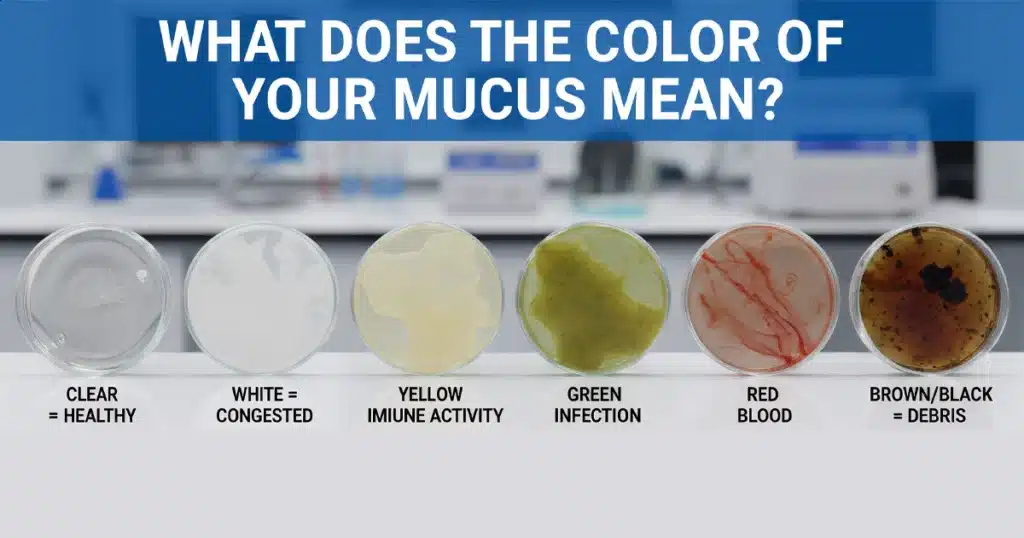
Your mucus color can reveal important insights about your health, from normal immune responses to signs of infection or irritation. Understanding these changes helps you take proactive steps for your well-being. But when color changes appear alongside other symptoms, paying attention is crucial so you know when to act.
Mucus is more than just a byproduct of your respiratory system; it plays a vital role in defending your body against dust, germs, and allergens. Changes in its color usually indicate your immune system responding to a virus, allergy, or another underlying condition. If symptoms persist or worsen, consider reaching out to our emergency room Waxahachie, TX, for guidance and care.
What Is Mucus?
Mucus is a protective fluid produced by mucous membranes in your nose, throat, and airways. Composed primarily of water, proteins, and antibodies, it traps dust, microbes, and irritants to prevent deeper infection. Normally, mucus is clear and thin, keeping tissues moist and supporting immune defense. Studies indicate that mucus consists of about 97% water and specialized mucins that form a gel-like barrier in the respiratory tract.
Mucus Symptoms
- Runny or stuffy nose.
- Throat clearing or irritation.
- Coughing up phlegm.
- Frequent sneezing.
- Post-nasal drip or throat tickle.
What Different Mucus Colors Mean
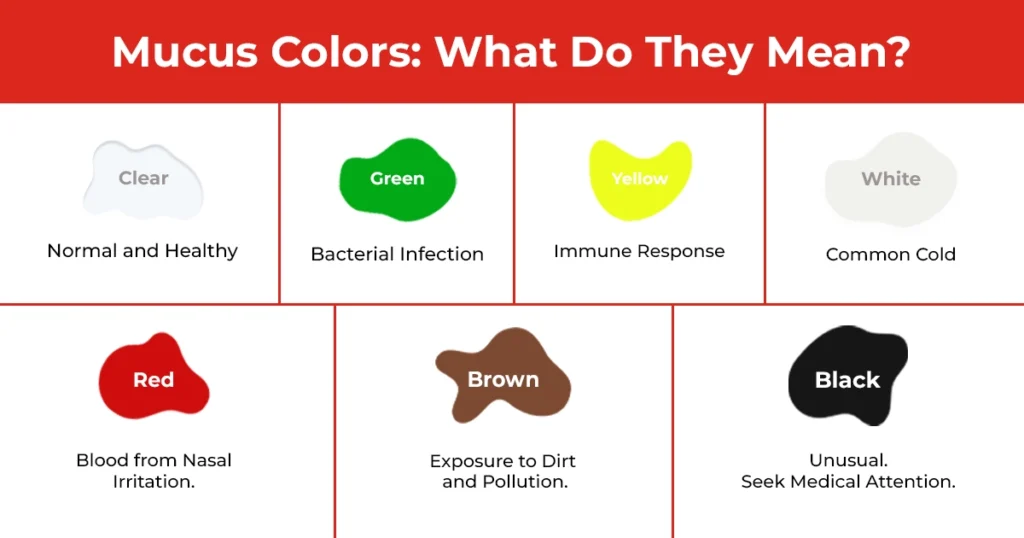
Mucus color varies based on hydration, immune activity, environmental exposure, and infections. While color alone cannot diagnose illness, it serves as a helpful clue when combined with other symptoms. Healthy mucus is usually clear; shifts in color can indicate an immune response, the presence of debris, or infection. Observing these changes helps you understand whether your body is fighting a virus, reacting to allergens, or signaling something more serious.
What Does Clear Mucus Mean
Clear mucus is usually normal and indicates a well-functioning respiratory system. It is thin, mostly water, and traps airborne particles before they irritate deeper tissues. Increased clear mucus can appear temporarily during allergies, mild irritation, or when the body flushes out dust and pollutants. It often reflects that the immune system is not actively fighting a significant infection.
Clear Mucus Symptoms
- Watery nasal discharge.
- Mild throat clearing.
- Sneezing without discomfort.
- Runny nose without congestion.
- Symptoms worsen with allergen exposure.
What Does White Mucus Mean
White mucus often signals congestion or slowed mucus flow, commonly appearing early in a cold or viral infection. It may also indicate mild inflammation or the beginning stage before the mucus changes to yellow or green. The color change to white is typically caused by trapped immune cells and thicker mucus production in response to irritation.
White Mucus Symptoms
- Stuffy nose.
- Reduced airflow.
- Mild headache due to congestion.
- Facial pressure.
- Slight sinus irritation.
What Does Yellow Mucus Mean
Yellow mucus suggests an active immune response, as white blood cells rush to combat irritants or viruses. This color is commonly seen in colds, sinus infections, or other upper respiratory conditions. The yellow tint comes from enzymes released by white blood cells fighting off pathogens.
A study of 241 patients with acute cough found that yellow or green sputum was linked to bacterial infection in 12% of cases.
Yellow Mucus Symptoms
- Thick, opaque nasal discharge.
- Sinus pressure or pain.
- Congestion worsening over days.
- Fatigue or low-grade fever.
- Coughing.
Also Read: Why Is My Mucus Yellow
Does Yellow Mucus Mean Infection
Yellow mucus often indicates immune activity, but does not always mean bacterial infection:
- Viral Response: White blood cells reacting to a viral infection often cause yellow mucus.
- Allergic Reaction: Allergies can also trigger yellow mucus when inflammation is present.
- Early Bacterial Infection: Rarely, yellow mucus precedes bacterial infection. Color alone is not diagnostic.
Persistent yellow mucus or worsening symptoms are stronger indicators of infection.
What Does Red Mucus Mean
Red or pink mucus indicates the presence of blood. Common causes include nasal irritation, dry air, minor nosebleeds, or trauma. Less commonly, it may signal deeper airway infection or inflammation. Even small amounts of blood can indicate that delicate nasal tissues or tiny blood vessels have been disrupted.
Red Mucus Symptoms
- Bright red streaks in mucus.
- Recent nose irritation or picking.
- Dry nasal passages.
- Mild nosebleeds.
- Pain around the nasal cavity.
What Does Green Mucus Mean
Green mucus often reflects a strong immune response. Dead white blood cells and debris give the mucus a green color. While it may occur during normal viral infection recovery, persistent green mucus with fever can indicate bacterial infection. The green color usually results from an accumulation of immune cells and the proteins they release during the fight against pathogens.
Green Mucus Symptoms
- Thick, dense mucus.
- Sore throat from post-nasal drip.
- Congestion lasts longer than a typical cold.
- Fever or chills.
- Sinus pressure.
Does Green Mucus Mean Infection?
Green mucus can indicate infection, but not always. Viral infections often cause green mucus due to immune cell activity. Clinical context, symptoms, and duration determine if bacterial infection is likely. Persistent green mucus with pain or fever requires medical evaluation.
What Does Brown Mucus Mean
Brown mucus often contains old blood, dust, smoke, or environmental pollutants trapped in the mucus. It is commonly seen in smokers or individuals exposed to heavy pollution, or following minor nosebleeds. The brown coloration typically indicates the presence of dried blood or environmental particles mixed into the mucus.
Brown Mucus Symptoms
- Rusty or earthy-colored mucus.
- History of smoking or pollutant exposure.
- Mild cough.
- Occasional dry throat.
- No major systemic symptoms.
What Does Black Mucus Mean
Black mucus is rare and may result from inhaled soot, smoke exposure, or, in serious cases, fungal infection in the respiratory system. Any black mucus with additional symptoms warrants prompt evaluation. The black color usually reflects external contaminants or, less commonly, fungal elements trapped within the mucus.
Black Mucus Symptoms
- Very dark or black discharge.
- Significant smoke or pollutant exposure.
- Persistent cough.
- Difficulty breathing.
- Fever or fatigue.
When To Seek Emergency Care For Mucus
Most mucus changes resolve with rest and home care, but some signs indicate serious conditions requiring immediate attention. Rapid intervention can prevent complications.
- High fever with green or discolored mucus.
- Bloody mucus that won’t stop.
- Severe shortness of breath or difficulty breathing.
- Chest pain or rapid heartbeat.
- Dizziness or fainting.
If you notice these emergency signs or unusual mucus changes, contact the Altus Emergency Centers immediately for expert care.
Altus Emergency Centers: Expert Emergency Care for Mucus Concerns
Noticing changes in your mucus can be worrying, and you may wonder, “What does the color of my mucus mean?” Understanding these changes helps you identify when they are normal and when they may signal an infection or other respiratory issue. Seeking timely evaluation ensures potential complications are addressed quickly and effectively.
At Altus Emergency Centers, our experienced team provides rapid emergency care for patients with unusual mucus symptoms, persistent congestion, or breathing difficulties. With advanced diagnostics and skilled evaluation, we help patients get accurate guidance and peace of mind when it matters most.