
Fevers can strike suddenly, leaving you feeling weak, shivering, and completely drained. While many see a fever as a minor warning sign, it can sometimes signal a more serious infection or health issue that needs immediate attention. Ignoring persistent high temperatures can put your body at risk, making it crucial to know what’s happening inside.
So, how long does a fever last before it becomes dangerous? Understanding the typical duration, along with the warning signs that require urgent care, can help you take swift action and reach the nearest emergency room to protect your health before complications arise.
What Is a Fever?
A fever occurs when your body’s core temperature rises above the normal range, usually above 100.4°F (38°C), as part of the immune system’s response to infections, inflammation, or other medical conditions. It is a sign that your body is actively fighting pathogens like viruses or bacteria. Common symptoms include fatigue, chills, sweating, and muscle aches.
A study on COVID-19 patients found that 79.4% of adults experienced fever during infection, highlighting how frequently fever occurs during illnesses.
Fever Symptoms That Signal Danger
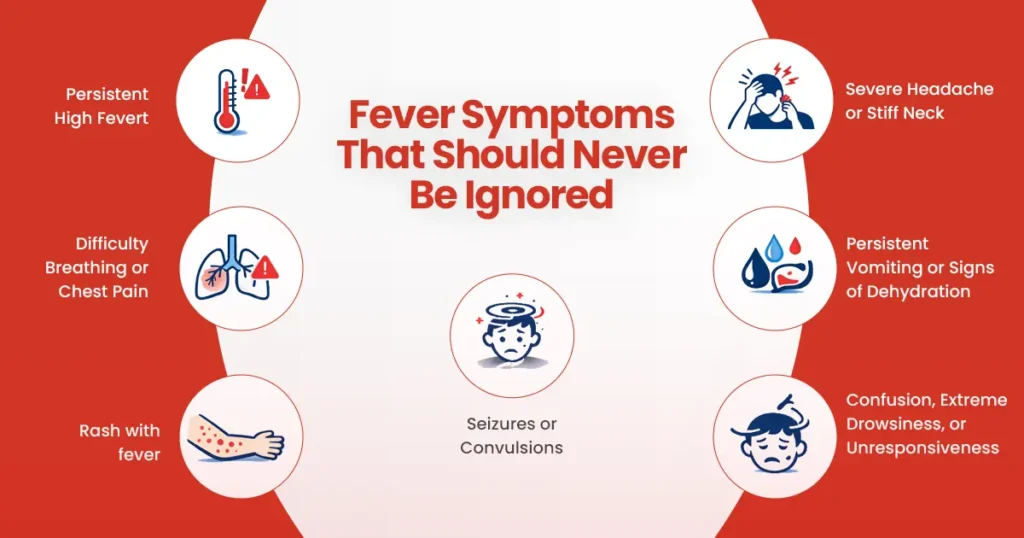
Certain fever symptoms can indicate a serious underlying condition and require immediate medical attention. Watch for these warning signs:
- Persistent High Fever: Above 104°F (40°C) that doesn’t respond to medication
- Severe Headache or Stiff Neck
- Difficulty Breathing or Chest Pain
- Seizures or Convulsions
- Confusion, Extreme Drowsiness, or Unresponsiveness
- Persistent Vomiting or Signs of Dehydration
- Rash with Fever
What Is Considered A Fever?
A fever is your body’s natural alarm system, signaling that something isn’t quite right internally. It can be caused by infections, inflammation, or other medical conditions, and often comes with discomfort like chills, fatigue, or body aches. While it may feel alarming, fevers are usually a part of your body’s immune response trying to fight off illness.
- Low-Grade Fever (100.4°F – 102.2°F / 38°C – 39°C): Often accompanies mild infections like colds; may include fatigue and mild discomfort.
- Moderate Fever (102.3°F – 104°F / 39.1°C – 40°C): Signals active infection; may cause sweating, chills, and body aches.
- High Fever (Above 104°F / 40°C): Can be dangerous, especially for children and older adults; requires urgent evaluation.
- Prolonged Fever (More than 3 Days): Suggests a deeper infection or underlying condition; professional assessment is necessary.
What Causes Fever?
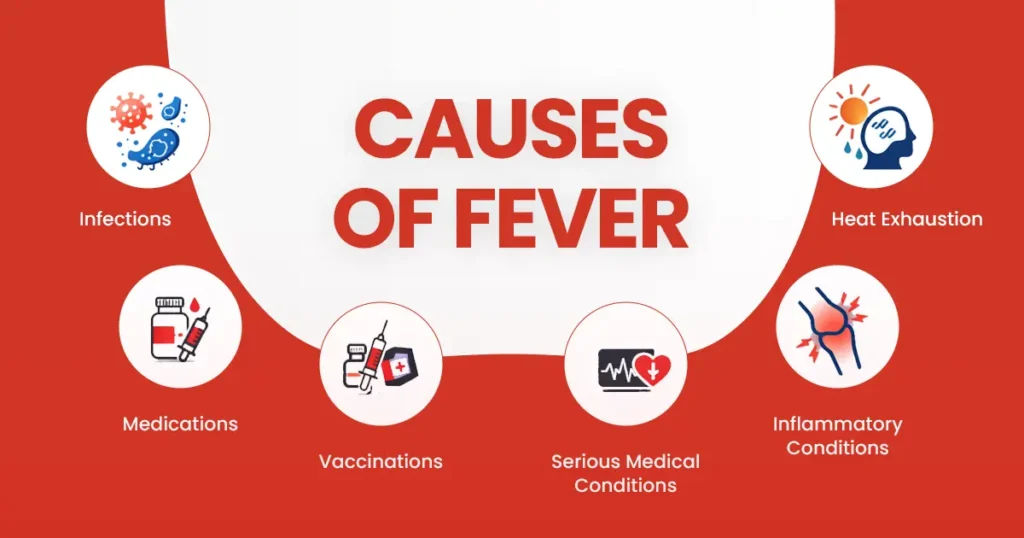
A fever is often your body’s way of signaling that something is wrong, acting as a protective mechanism to fight infections or respond to inflammation. While most fevers are temporary and manageable, understanding what triggers them helps you respond appropriately and know when medical attention is needed.
- Infections: Viral, bacterial, or fungal infections trigger the immune system to raise body temperature.
- Inflammatory Conditions: Autoimmune diseases like lupus or rheumatoid arthritis can cause fevers.
- Medications: Certain drugs, including antibiotics and blood pressure medications, may induce fever.
- Heat Exhaustion: Prolonged exposure to high temperatures or strenuous activity can raise body temperature.
- Vaccinations: Low-grade fever can occur as the immune system builds immunity.
- Serious Medical Conditions: Conditions like cancer or endocrine disorders may present with unexplained fevers.
How Long Will A Fever Last
A fever typically lasts a few days as your body fights off an infection, but the duration can vary depending on the cause, age, and overall health. Most fevers from mild illnesses resolve on their own, while persistent or high fevers may indicate more serious conditions. Knowing the typical duration for different illnesses can help you monitor your symptoms and decide when to seek medical care.
- Common Cold: Usually mild, lasting 1–3 days, often accompanied by low-grade fever and congestion.
- Influenza (Flu): Fever often lasts 3–5 days, typically high at the onset, and may be accompanied by body aches and fatigue.
- Pneumonia: Fever can persist 7–14 days or longer, depending on severity and whether it’s bacterial or viral.
- COVID‑19: Fever is common, usually lasting 3–7 days, but may continue longer in severe or prolonged cases.
- Other Infections: Fevers from urinary tract infections, ear infections, or other bacterial illnesses may last several days to over a week without treatment.
If your fever persists or becomes severe, visiting an emergency room Waxahachie, TX, can provide the immediate medical intervention needed to prevent further complications.
Why Do You Feel Cold When You Have a Fever?
Chills during a fever occur because your hypothalamus raises the body’s set-point temperature. Your body perceives its current temperature as too low, triggering shivering, goosebumps, and the sensation of cold. This natural mechanism helps generate heat to fight infection more effectively.
How To Treat A Fever
Fever treatment involves more than just reducing temperature; it’s about supporting your body while addressing the underlying cause. Fever treatment should be approached thoughtfully, especially in children, older adults, or those with chronic conditions, and medical guidance is recommended when symptoms persist or worsen.
- Antipyretic Medications: Drugs like acetaminophen (paracetamol) or ibuprofen reduce fever and discomfort. Always use as recommended by a doctor.
- Antibiotics: Only prescribed if a bacterial infection is diagnosed. Misuse can lead to resistance.
- Antivirals: For viral infections like influenza, under a doctor’s supervision.
- Hydration Therapy: Oral fluids or IV fluids may be needed for severe dehydration.
- Monitoring & Follow-Up: Persistent high fevers require tests and close medical supervision.
Home Remedies for a Fever
- Stay Hydrated: Drink plenty of water, herbal teas, or clear broths to prevent dehydration and help regulate body temperature.
- Rest: Give your body time to recover by avoiding strenuous activity and getting adequate sleep.
- Cool Compresses: Apply a damp, cool cloth to the forehead, neck, or wrists to provide comfort and slightly reduce fever.
- Light Clothing: Wear breathable, loose clothing and avoid heavy blankets to help the body release heat.
- Warm Baths (Not Cold): A lukewarm bath can help reduce fever gradually; avoid cold baths, which may cause shivering.
- Nutritious, Light Meals: Eat easily digestible foods like soups, fruits, and vegetables to support the immune system.
When To Go To The ER For A Fever
While most fevers are manageable at home, certain situations require urgent medical attention to prevent complications. Seeking emergency care is important if the fever is unusually high, persistent, or accompanied by severe symptoms that could indicate a serious infection or other medical condition. Knowing when to visit the ER for high fever can help protect your health and provide timely treatment when needed.
When Should An Adult Go To The ER For A Fever?
Adults should seek emergency care if they experience:
- Very high fever (above 104°F / 40°C) that doesn’t respond to medication.
- Severe headache or stiff neck.
- Difficulty breathing or chest pain.
- Confusion, extreme drowsiness, or unresponsiveness.
- Persistent vomiting or signs of dehydration.
- Rash accompanied by fever.
When Should I Bring My Child To The ER For A Fever?
Children should be evaluated immediately if they have:
- Fever above 104°F / 40°C or lasting more than 3 days.
- Severe lethargy or unresponsiveness.
- Breathing difficulties or rapid breathing.
- Seizures or convulsions.
- Persistent vomiting or refusal to drink fluids.
- Rash, especially purple or blotchy.
If fever symptoms become severe or unusual, emergency evaluation may be necessary. Facilities like a pediatric emergency room offer specialized medical attention and immediate intervention for critical health situations around the clock.
Altus Emergency Centers: Timely Care for Fever Concerns
You might be asking, “How long does a fever last?” This common question is natural, especially when a fever is accompanied by chills, body aches, or fatigue. At Altus Emergency Centers, our team provides prompt evaluation to identify the cause and determine whether home care is enough or urgent treatment is required.
Persistent or unusually high fevers should never be ignored. At Altus Emergency Centers, advanced diagnostics and emergency care ensure that any serious infection or medical condition is addressed quickly, giving you confidence and peace of mind while managing your fever.
Key Takeaways
- Typical Duration: Most fevers last 1–5 days, depending on the cause, age, and overall health.
- Low vs High Fever: Low-grade fevers (100.4–102.2°F / 38–39°C) are usually mild; high fevers (above 104°F / 40°C) can be dangerous.
- Warning Signs: Seek urgent care for persistent high fever, severe headache, stiff neck, breathing difficulties, seizures, confusion, persistent vomiting, or rash.
- Common Causes: Infections (viral, bacterial), inflammatory conditions, medications, heat exhaustion, vaccinations, or serious medical conditions.
- Symptom Management: Stay hydrated, rest, use antipyretics like acetaminophen or ibuprofen, and monitor closely.
- When to Seek ER Care: Adults or children with very high fever, prolonged fever, severe lethargy, or unusual symptoms require immediate medical evaluation.
- Professional Care: Facilities like Altus Emergency Centers provide prompt diagnostics and treatment to manage serious fevers safely.
Frequently Asked Questions
Does Ibuprofen Reduce Fever?
Yes, ibuprofen can reduce fever. It is an antipyretic medication that helps lower body temperature and relieve discomfort, but it should be used as recommended by a doctor. It also helps reduce inflammation, which can contribute to overall symptom relief.
Can A Sinus Infection Cause Fever?
Yes, a sinus infection (sinusitis) can cause a fever, especially if it’s bacterial. Fever often accompanies other symptoms like facial pain, nasal congestion, and fatigue, signaling your body is fighting an infection.
What Is A Fever Dream?
A fever dream is a vivid, often strange or unsettling dream that occurs while a person has a fever. Elevated body temperature can disrupt normal sleep patterns and brain activity, leading to intense, bizarre, or emotionally charged dreams that feel unusually real or confusing.