
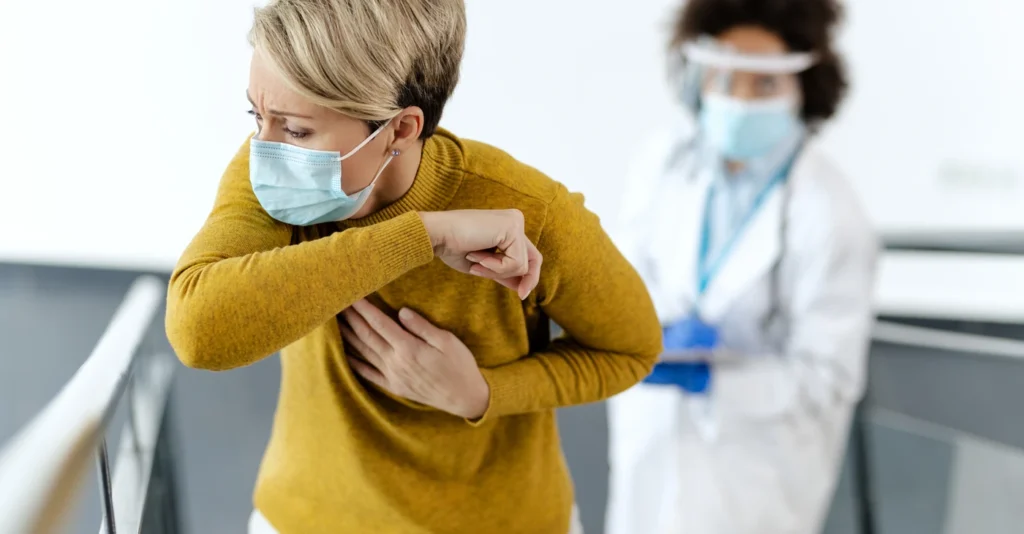
Chest pain in women doesn’t always feel like the classic “crushing” pain; it can show up as pressure, burning, tightness, or discomfort that spreads to the jaw, back, or shoulders. Many women also experience shortness of breath, nausea, fatigue, dizziness, or cold sweats, even without severe chest pressure, and if these symptoms occur, seeking immediate care at a chest pain emergency room is crucial.
These symptoms occur because serious conditions like heart attacks, pulmonary embolism, and lung or digestive disorders can present differently in women. In some cases, the signs are subtle, gradual, or mistaken for stress, anxiety, or indigestion. Understanding what causes chest pain in women and recognizing early warning signs can help you act quickly and seek emergency care before complications become life-threatening.
Common Causes of Chest Pain in Women
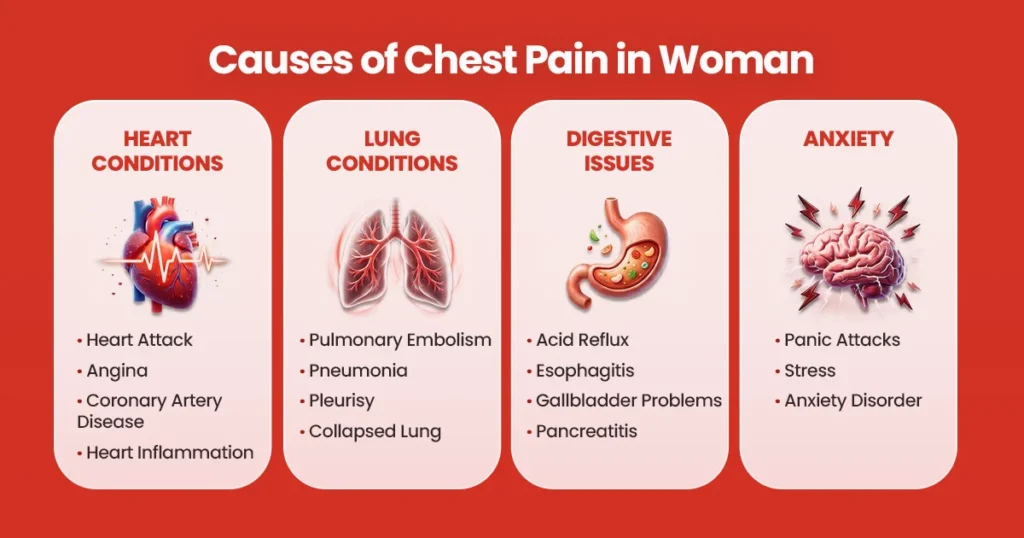
Chest pain can originate from different systems in the body, and understanding the possible causes below can help identify whether symptoms are mild or require urgent medical attention.
- Heart attack in women (high-risk cause): May present with chest pressure or tightness, pain spreading to the jaw, neck, back, or arms, along with shortness of breath, nausea, fatigue, or dizziness; symptoms can be subtle and easily missed.
- Angina (reduced blood flow to the heart): Causes chest discomfort or a burning sensation, often triggered by physical activity or stress and relieved with rest, indicating possible underlying heart disease.
- Pulmonary embolism: A life-threatening condition causing sudden, sharp chest pain, shortness of breath, rapid heart rate, and sometimes coughing up blood, often worsening with deep breathing.
- Acid reflux or GERD (non-cardiac cause): Leads to burning chest pain, discomfort after eating, sour taste, or difficulty swallowing, and can mimic heart-related pain.
- Anxiety and panic attacks: Can cause chest tightness, rapid heartbeat, shortness of breath, dizziness, and tingling sensations, often resembling heart attack symptoms.
- Musculoskeletal pain (chest wall pain): Results from muscle strain or injury, causing localized pain that worsens with movement, touch, or physical activity.
- Lung infections or inflammation: Conditions like pneumonia or pleurisy cause sharp chest pain with breathing or coughing, along with fever, chills, cough, and fatigue.
If chest pain is sudden, severe, or persistent, seeking immediate care at Lumberton Hospital ER can ensure a timely diagnosis and treatment.
Why Chest Pain in Women Is Often Misdiagnosed
Chest pain in women is often overlooked because symptoms may not match the classic signs seen in men. Women are more likely to experience subtle or atypical symptoms, which can delay recognition and treatment. Women may experience:
- Mild pressure instead of severe pain
- Fatigue or weakness without chest discomfort
- Back, jaw, or neck pain
- Nausea or indigestion-like symptoms
Because of these differences, many women delay seeking care, increasing the risk of complications, and if symptoms arise suddenly or intensify, visiting an ER near me can provide prompt evaluation and lifesaving treatment.
Symptoms That Require Immediate Emergency Care
Certain symptoms with chest pain in women can signal a life-threatening emergency and should never be ignored. Immediate medical attention is critical to prevent serious complications or death. Seek emergency care if you experience:
- Suddenly, severe chest pain or pressure
- Pain spreading to the arm, jaw, neck, or back
- Shortness of breath
- Nausea or vomiting
- Cold sweats
- Dizziness or fainting
- Rapid or irregular heartbeat
These may be signs of a heart attack, pulmonary embolism, or other critical condition, and visiting Altus Lumberton Hospital can provide urgent evaluation and life-saving treatment.
When Chest Pain in Women Becomes Dangerous
Not all chest pain is an emergency, but certain symptoms may indicate a serious or life-threatening condition that requires immediate attention. Recognizing these warning signs early is critical to preventing complications and ensuring timely treatment. High-risk scenarios include:
- Chest pain lasting more than a few minutes
- Pain that worsens over time
- Pain combined with breathing difficulty
- Symptoms in women with risk factors (high blood pressure, diabetes, smoking)
Early treatment can significantly reduce the risk of serious complications.
How Chest Pain in Women Is Diagnosed
At an emergency center, doctors quickly evaluate chest pain to rule out life-threatening conditions and identify the underlying cause. Early diagnosis ensures timely treatment and reduces the risk of complications. Common diagnostic tests include:
- Electrocardiogram (ECG)
- Blood tests (cardiac enzymes)
- Chest X-ray
- CT scan or imaging
- Oxygen and vital monitoring
These tests help determine whether the cause is cardiac, respiratory, digestive, or musculoskeletal.
Treatment Options for Chest Pain in Women
Treatment for chest pain in women depends on the underlying cause and the severity of symptoms, with emergency care prioritized for life-threatening conditions. A combination of immediate interventions, medications, and long-term lifestyle changes may be used to stabilize the patient and address the root cause.
- Emergency interventions: Immediate treatments may include oxygen therapy to improve breathing, IV fluids to stabilize circulation, medications to support heart function, and blood thinners if a clot is suspected. These are typically administered in urgent or emergency settings to quickly stabilize the patient and prevent complications.
- Medications: Depending on the diagnosis, treatment may include pain relievers for discomfort, antacids for acid reflux, antibiotics for infections, and anti-anxiety medications when stress or panic contributes to symptoms. These medications are tailored to the underlying cause of chest pain.
- Lifestyle and supportive care: Long-term management often includes stress reduction techniques, maintaining a heart-healthy diet, regular physical activity, and quitting smoking. These measures help reduce recurrence, improve overall heart health, and support recovery after initial treatment.
When to Go to the ER for Chest Pain
Go to the ER immediately if chest pain is sudden, severe, or accompanied by symptoms such as chest pressure, radiating pain, shortness of breath, dizziness, or confusion. Symptoms lasting more than a few minutes should never be ignored, as they may indicate a life-threatening condition.
- Chest pain is sudden or severe
- You feel pressure or tightness in your chest
- Pain spreads to your arm, jaw, or back
- You experience shortness of breath
- You feel dizzy, faint, or confused
- Symptoms last more than a few minutes
Do not wait or try to self-diagnose. Delaying care can be life-threatening.
Expert Care for Women’s Chest Pain
Chest pain in women can signal a serious, life-threatening condition, making immediate medical evaluation essential. At Neighbors Emergency Center, patients receive 24/7 emergency assessment with advanced cardiac monitoring, on-site imaging, and lab testing to quickly identify the cause of symptoms. Our experienced medical team is trained to recognize and respond to urgent cardiac, respiratory, and other critical conditions without delay.
Treatment is initiated promptly based on diagnosis, including rapid intervention for heart attacks, lung conditions, and other emergencies. With minimal wait times and personalized follow-up care, patients are ensured timely, focused treatment designed to stabilize their condition and improve outcomes.
Key Takeaways
- Chest pain in women can have many causes, from mild to life-threatening
- Heart attacks in women often present with atypical symptoms
- Common causes include heart disease, anxiety, GERD, and lung conditions
- Warning signs like shortness of breath, nausea, and dizziness require urgent care
- Early diagnosis and treatment can save lives
Frequently Asked Questions
What causes chest pain in a woman on the left side?
Left-sided chest pain in women may be associated with cardiac conditions such as a heart attack or angina. Still, it can also stem from non-cardiac causes like muscle strain, acid reflux, or lung-related issues. Because some of these conditions can be serious, sudden, or severe, left chest pain should be evaluated promptly.
What causes chest pain in a woman on the right side?
Right-sided chest pain is more commonly related to conditions affecting the lungs, gallbladder, or chest wall muscles rather than the heart. However, persistent, worsening, or unexplained pain should still be assessed to rule out any serious underlying medical issues.
What causes chest pain in a woman when breathing?
Chest pain that worsens with breathing is often linked to lung conditions such as pleurisy, infections, or pulmonary embolism. This type of sharp or stabbing pain should be treated as urgent, and immediate medical evaluation is recommended to determine the cause and begin appropriate care.