
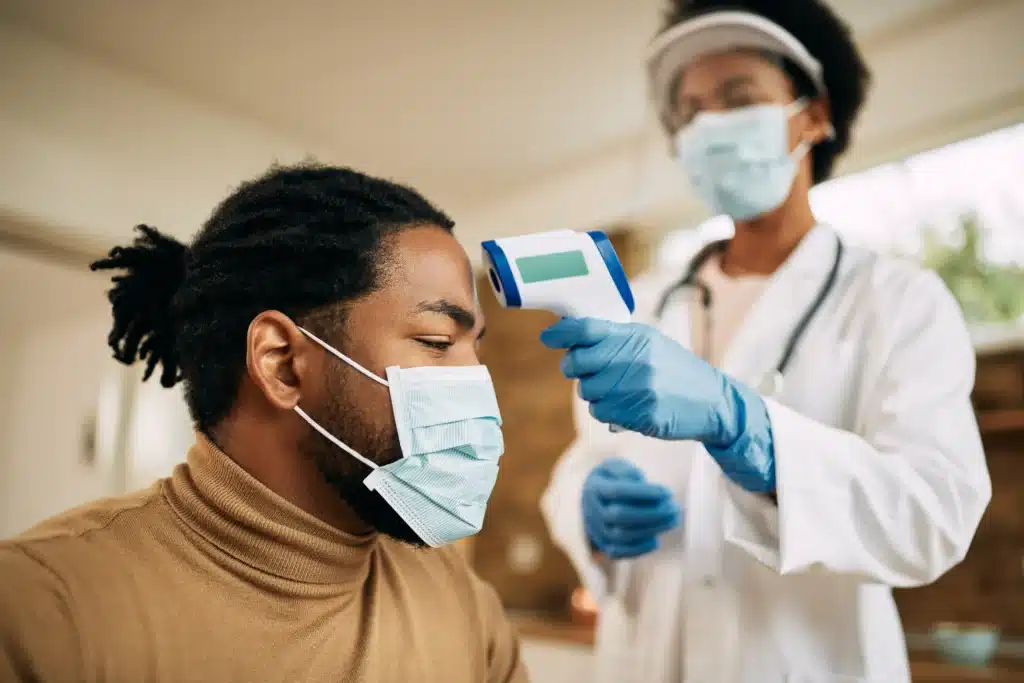
COVID-19 does not follow the same recovery timeline for everyone. Many people with mild COVID-19 begin to feel better within several days, although complete recovery can take longer. Symptoms such as fever, cough, fatigue, sore throat, congestion, headache, and body aches may not all disappear at the same time. Recovery can also depend on factors such as the severity of the infection, age, overall health, and existing conditions that may increase the risk of complications. Some people may continue experiencing symptoms such as fatigue, cough, or congestion even after the initial infection has improved.
If your symptoms are taking longer to improve, paying attention to changes in your condition is important. When symptoms become more severe or you need medical evaluation, an Altus ER Lake Jackson TX location provides 24/7 emergency care with on-site labs, imaging, and diagnostic services. This can be a convenient option when you need prompt evaluation rather than waiting for concerning symptoms to resolve on their own.
The Typical COVID Recovery Timeline
COVID recovery does not always follow a predictable schedule. Instead of focusing on an exact number of days, pay attention to whether your symptoms are gradually improving.
Early Symptoms
During the first few days, symptoms may include:
- Fever or chills.
- Cough or congestion.
- Sore throat.
- Headache or body aches.
- Fatigue.
- Nausea, vomiting, or diarrhea in some cases.
As Symptoms Improve
Many people begin feeling better as the infection progresses. Fever may resolve first, while cough, tiredness, or congestion can take longer to disappear.
After the Initial Infection
If certain symptoms continue after the acute illness, recovery may take additional time. Persistent or worsening symptoms should be discussed with a healthcare professional, particularly if you are at increased risk for severe illness.
What Can Affect Your Recovery Time?
Several factors can influence how long COVID symptoms last. Recovery can look different from person to person, even when the initial illness seems similar. Understanding these factors can help you know what to expect as your body recovers.
- Severity of illness: Mild infections generally have a different recovery course than severe infections. More serious illness may take longer to recover from and can involve additional complications.
- Age: Older adults may have a greater risk of severe illness and complications. Age can also influence how quickly the body recovers after an infection.
- Underlying health conditions: Certain medical conditions can increase the risk of becoming seriously ill. These conditions may also affect the length and complexity of the recovery period.
- Treatment timing: For people who qualify for antiviral treatment, starting treatment early is important. Some COVID treatments need to begin within the first few days of symptoms to be most effective.
- Individual response: Two people with COVID-19 can experience very different symptoms and recovery times. One person may feel better quickly, while another may continue experiencing symptoms for longer.
When COVID Symptoms Need Medical Attention
Most COVID cases do not require emergency care, but some symptoms should never be ignored. Seek immediate medical attention if you develop signs of a serious illness, such as:
- Difficulty breathing or shortness of breath.
- Persistent chest pain or pressure.
- New confusion.
- Difficulty waking or staying awake.
- Pale, gray, or blue-colored lips, skin, or nail beds.
These are among the emergency warning signs identified by the CDC, although other severe or concerning symptoms may also require prompt evaluation.
If symptoms become severe, finding the nearest emergency room can help you get evaluated without unnecessary delay. An Altus ER Lumberton TX location is another option for patients who need prompt emergency evaluation.
COVID Testing and Emergency Evaluation
If you develop symptoms that could be related to COVID-19, testing can help determine whether you currently have the infection. The type of test that may be appropriate can depend on your symptoms, timing, and recent COVID-19 history.
Altus Emergency Centers offers on-site laboratory testing, including a quantitative real-time RT-PCR COVID-19 test that is processed on-site as part of a Respiratory Pathogen Panel or may be processed off-campus as a COVID-19-only test. If you are experiencing severe symptoms or your condition is worsening, emergency evaluation can help identify concerns that require prompt medical attention.
Can COVID Be Treated?
Treatment depends on your symptoms, overall health, and risk of developing severe illness. People at higher risk may be eligible for antiviral treatment, and these medications work best when started early after symptoms begin. If you need medical evaluation, Altus ER Waxahachie provides access to emergency care when symptoms require prompt attention.
For patients who require medical evaluation, COVID-19 treatment may involve supportive care and treatment directed at the severity of the illness and any complications that develop.
Get Prompt Emergency Care at Altus Emergency Centers
If your COVID-19 symptoms are worsening or you experience difficulty breathing, persistent chest discomfort, confusion, or difficulty staying awake, prompt medical evaluation is important. Altus Emergency Centers provides 24/7 emergency care with on-site labs and imaging services to help evaluate patients when immediate medical attention is needed.
COVID-19 recovery can vary from person to person, so paying attention to changes in your symptoms is important. If your condition becomes severe or concerning, visit one of our 24/7 emergency rooms for timely evaluation and appropriate care.
Frequently Asked Questions
How long does COVID usually last?
Many people with mild COVID-19 begin feeling better within several days, although some symptoms may continue for longer. Recovery time varies depending on the individual and severity of illness.
Can COVID symptoms last for weeks?
Yes. While many people recover relatively quickly, some symptoms, such as fatigue or cough, may continue after the initial infection has improved.
When should I seek emergency care for COVID?
Seek emergency care if you experience difficulty breathing, persistent chest pain or pressure, new confusion, difficulty staying awake, or other severe or worsening symptoms.
Does everyone recover from COVID at the same rate?
No. Age, overall health, underlying medical conditions, illness severity, and individual response can all affect how quickly someone recovers.
Can COVID be treated?
Treatment depends on the severity of the illness and individual health factors. People at higher risk of severe COVID-19 may be eligible for antiviral treatment, which generally works best when started early.