

It can feel unsettling when urinary discomfort, burning pain, and constant bathroom trips start interfering with your daily life. Many people ignore early symptoms, hoping they will resolve on their own, but a urinary tract infection can sometimes progress and affect more than just the bladder.
A urinary tract infection (UTI) affects the bladder, urethra, and sometimes the kidneys, and is commonly linked to burning urination, frequent urination, and pelvic discomfort. It may also cause digestive symptoms, leading to the question, “Can a UTI Cause Nausea?” Yes, nausea can occur, especially if the infection worsens or spreads to the kidneys. In more serious cases, prompt evaluation at our emergency room in Lake Jackson, TX, can help ensure fast diagnosis and treatment.
What Is Nausea?
Nausea is a sensation of stomach discomfort that creates the urge to vomit. It is not a disease but a symptom linked to infections, medications, digestive disorders, pregnancy, and other medical conditions. It may also be accompanied by sweating, dizziness, weakness, or loss of appetite.
According to a large population-based study published in PMC (National Institutes of Health), nausea affects about 12.5% of people annually as a significant complaint, while overall episodes of nausea and vomiting combined can affect more than 50% of adults within a year, depending on the underlying cause.
Dangerous Nausea Symptoms That You Should Know
Nausea is usually mild and temporary, but in some cases, it can signal a serious underlying condition that needs urgent medical attention. If nausea is accompanied by certain warning signs, it should not be ignored.
- Persistent vomiting that lasts more than 24 hours.
- Vomit containing blood or a coffee-ground appearance.
- Severe abdominal pain or swelling.
- Signs of dehydration such as dry mouth, dizziness, or very little urination.
- High fever along with nausea and vomiting.
- Chest pain, confusion, or fainting episodes.
- Sudden severe headache with nausea.
- Inability to keep fluids or food down for an extended period.
Also Read: What Causes Nausea
What Is a UTI?
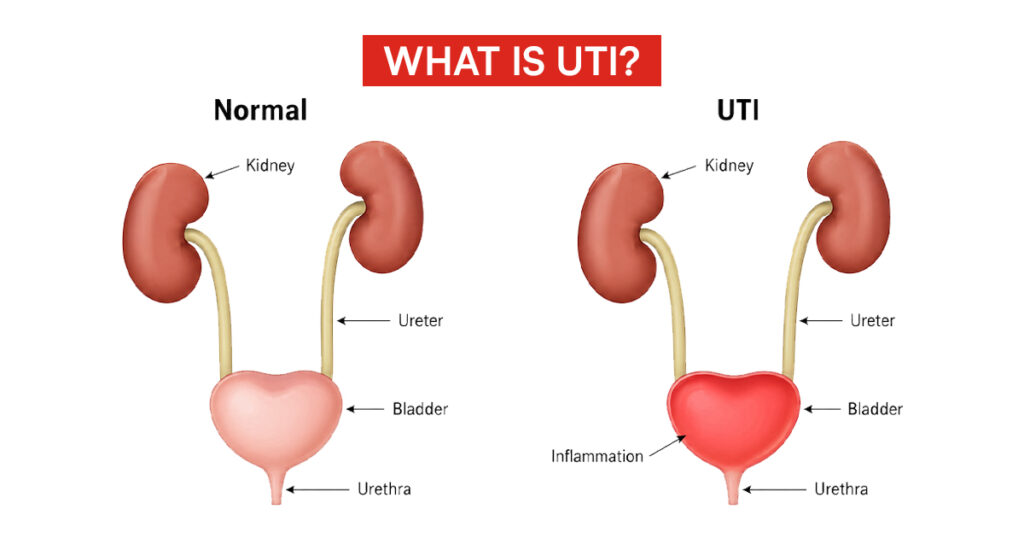
A urinary tract infection is a bacterial infection that can affect any part of the urinary system. It is most commonly caused by E. coli bacteria entering the urinary tract. Women are more frequently affected due to anatomical differences.
According to a study published in the National Library of Medicine (NIH), UTIs are among the most common bacterial infections in women, with a lifetime risk of over 50% (about 50–60% of women experiencing at least one UTI).
UTI Symptoms That Should Never Be Ignored
UTIs can start mildly but may quickly worsen if the infection spreads or is left untreated. Certain symptoms are warning signs that the infection may be more serious and require prompt medical attention.
- Burning or pain during urination that worsens
- Frequent urge to urinate with little or no output
- Blood in urine (pink, red, or cola-colored urine)
- Strong, foul-smelling, or cloudy urine
- Pain or pressure in the lower abdomen or pelvic area
- Fever, chills, or shivering (possible sign of kidney infection)
- Pain in the lower back or sides (flank pain)
- Nausea or vomiting along with urinary symptoms
Can UTI Cause Nausea?
Yes, a urinary tract infection (UTI) can cause nausea, especially when the infection becomes more severe or spreads to the kidneys. This happens because the body’s immune response and infection-related toxins can affect the digestive system, leading to feelings of sickness, reduced appetite, and sometimes vomiting. In many cases, nausea is a warning sign that the infection may not be limited to the lower urinary tract.
How It Causes Nausea and When It Becomes Serious
- Kidney involvement (Pyelonephritis): When a UTI spreads to the kidneys, it can trigger a stronger immune response that often causes nausea, vomiting, fever, and back pain. This is a more serious condition that needs urgent treatment.
- Bacterial toxins and inflammation: The infection releases toxins and inflammatory chemicals into the bloodstream, which can affect the gastrointestinal system and lead to nausea or stomach upset.
- Fever and dehydration: UTIs can cause fever and reduced fluid intake due to discomfort, both of which can contribute to nausea and weakness.
- Body’s stress response: Pain, infection, and immune activation can stimulate stress hormones, which may disrupt normal stomach function and trigger nausea.
When To Go To The ER
You should go to the ER for nausea and a UTI if symptoms become severe or start affecting your overall health. While mild nausea and uncomplicated UTIs can often be managed with hydration, rest, and antibiotics, worsening signs may indicate a serious infection or other urological emergencies that require urgent medical care.
- High fever with chills: A fever above 101°F (38.3°C) with shaking chills may suggest a kidney infection or systemic illness and needs immediate ER evaluation.
- Severe back or side pain: Intense pain in the lower back or flank area can indicate the UTI has spread to the kidneys and may also be associated with worsening nausea or vomiting.
- Persistent vomiting or inability to keep fluids down: This can quickly lead to dehydration and worsen both nausea and UTI symptoms, requiring urgent treatment.
- Blood in urine with worsening urinary symptoms: Visible blood in urine along with pain, fever, or nausea may suggest a complicated UTI needing emergency care.
- Confusion, dizziness, or weakness: These can be signs that the infection or dehydration is affecting the body more broadly and requires immediate ER attention.
How To Get Rid Of Nausea From UTI
Nausea caused by a UTI usually improves once the infection is treated, but supportive care can help manage symptoms in the meantime. Staying hydrated, resting, and addressing the underlying infection are key steps to reduce nausea and prevent it from worsening.
- Treat the underlying UTI: Antibiotics prescribed by a doctor are essential to clear the infection and stop the cause of nausea. Completing the full prescribed course helps prevent recurrence or complications.
- Stay hydrated: Drinking small, frequent sips of water helps flush bacteria from the urinary tract and reduces dehydration, which can worsen nausea.
- Eat light, bland foods: Foods like toast, rice, bananas, and crackers are easier on the stomach and can help reduce nausea without irritating the digestive system.
- Rest and avoid irritants: Resting allows the body to recover, while avoiding caffeine, alcohol, and spicy foods helps prevent further stomach upset.
- Antiemetic medicines (prescribed by a doctor): In some cases, doctors may prescribe anti-nausea medications to control vomiting and improve comfort while the UTI is being treated.
UTI & Nausea Care | Altus Emergency Centers
A urinary tract infection can sometimes lead to symptoms that go beyond the urinary system, especially when the infection becomes more severe. Nausea may occur as the body reacts to infection, inflammation, or dehydration, and it can be an early warning sign that the condition is worsening. While mild UTIs may stay limited to bladder discomfort, progressing infections can affect overall well-being and digestive balance.
At Altus Emergency Centers, we provide prompt evaluation and treatment for patients experiencing worsening UTI symptoms, including nausea, fever, or pain. Understanding “Can a UTI Cause Nausea?” is important because this symptom may indicate that the infection is spreading to the kidneys and requires urgent medical attention. Our emergency team is equipped to deliver fast diagnosis and care to help prevent complications and support a quicker recovery.
Key Takeaways
- UTIs can cause more than urinary symptoms: In some cases, a UTI may also lead to nausea, especially if the infection becomes severe or spreads to the kidneys.
- Nausea can be a warning sign: When nausea occurs with fever, back pain, or vomiting, it may indicate a more serious kidney infection.
- Early treatment is important: Prompt medical care and doctor-prescribed antibiotics help prevent complications and speed up recovery.
- Dehydration and inflammation play a role: Infection-related stress on the body can trigger nausea and worsen overall discomfort.
- Emergency care may be needed: Severe symptoms such as persistent vomiting, high fever, or worsening pain should be evaluated at an emergency center without delay.
FAQ
Can a UTI go away on its own?
Mild UTIs may improve temporarily with hydration, but most do not fully go away without treatment. Antibiotics prescribed by a doctor are usually needed to clear the infection completely.
How long does a UTI last?
With antibiotics, most UTIs improve within 24–48 hours and clear in 3–7 days. Without treatment, symptoms can persist and may worsen over time.
Are UTIs contagious?
UTIs are not directly contagious and cannot spread through casual contact. However, bacteria that cause UTIs may be transferred during sexual activity and increase the risk.
What to take for nausea?
Mild nausea can improve with fluids, rest, and light foods like toast or crackers. Doctors may prescribe anti-nausea medication (antiemetics) if symptoms are severe.