 Skip to content
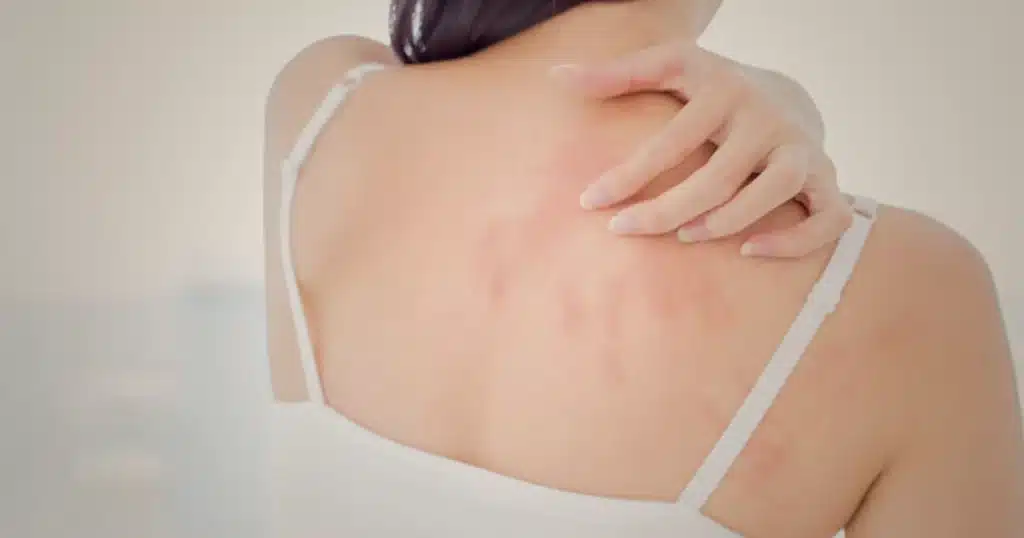
Heat rash usually clears within a few days to about one week, depending on how quickly the skin is cooled, sweating is reduced, and irritation is controlled, but recovery time can vary based on severity and ongoing heat exposure. While often mild, this condition can cause itching, discomfort, and visible skin irritation that disrupts daily activities.
Hot, humid environments, excessive perspiration, and friction commonly trigger this rash, affecting areas like the face, chest, arms, legs, and skin folds. Most cases improve with simple care, but persistent symptoms should not be ignored, and our Lake Jackson Emergency Room provides prompt evaluation for heat-related illness concerns when symptoms worsen or fail to improve.
What Is A Heat Rash?
Heat rash, medically known as miliaria, occurs when sweat ducts become blocked, trapping perspiration beneath the skin and causing inflammation. This results in small bumps, redness, or heat rash blisters, especially in areas where sweat accumulates. It can affect people of all ages and is common during periods of high heat and humidity.
A study published in the Journal of the American Academy of Dermatology found that nearly 30% of individuals exposed to prolonged hot and humid conditions develop some form of sweat-related skin rash, emphasizing how widespread this condition is.
Heat Rash Symptoms
- Small red or clear heat bumps on the skin.
- Itching, prickling, or burning sensation.
- Heat rash on face, chest, back, arms, or legs.
- Rash in the armpit or other skin folds.
- Increased skin irritation with sweating or heat exposure.
How Long Does Heat Rash Take To Go Away?
Heat rash typically improves within 24 to 72 hours once sweating is reduced and the skin is kept cool and dry. Mild cases often resolve quickly, while moderate rashes may last up to one week. If heat exposure continues, conditions like heat hives or hives from heat may persist longer. Severe cases, especially those involving infection or repeated friction, can take one to two weeks to fully heal with proper care.
What Causes Heat Rash?
Heat rash develops when sweat is unable to escape through the skin, leading to trapped moisture and inflammation. This condition is more likely during hot weather, physical activity, or situations that increase perspiration. Prolonged moisture and friction can worsen symptoms, especially in sensitive or covered areas of the body.
- Excessive Sweating: Heavy perspiration overwhelms sweat ducts, leading to sweat rash and blocked pores.
- Hot And Humid Weather: Moist air prevents sweat evaporation, increasing the risk of heat rash on the chest and back.
- Tight Or Non-Breathable Clothing: Synthetic fabrics trap heat and moisture against the skin.
- Skin Friction: Rubbing in skin folds causes irritation and rash in armpit areas.
- Limited Airflow Or Movement: Prolonged sitting or bed rest raises the risk of perspiration-related skin rash.
What Does A Heat Rash Look Like?
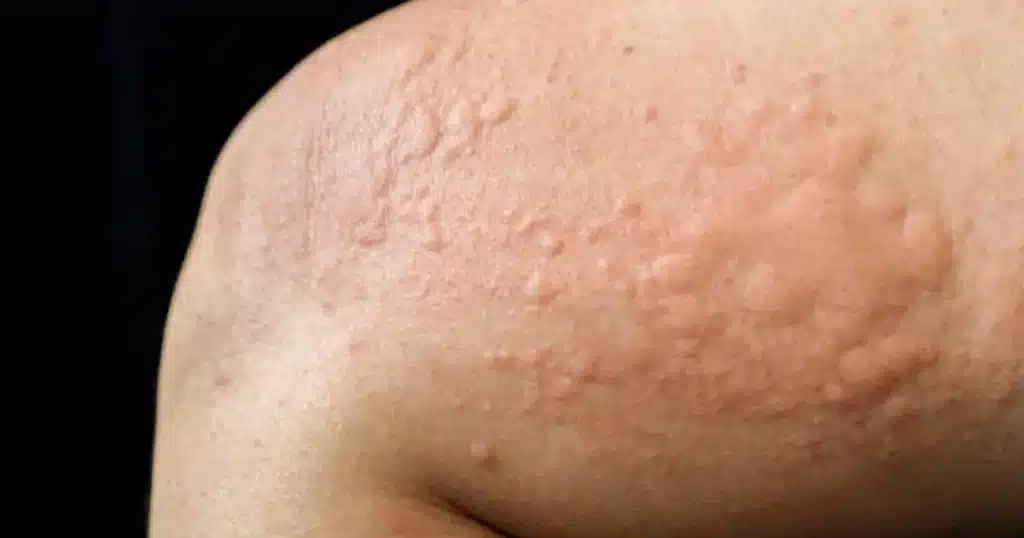
Heat rash appears as clusters of small red bumps, clear blisters, or raised patches on the skin. It may resemble heat hives, hives from heat, or even an allergic reaction. Common areas include the face, chest, back, arms, legs, and areas where sweat and friction are frequent.
Can Heat Rash Spread?
No. Heat rash is not contagious and cannot spread from person to person. However, continued sweating can cause the rash to appear in multiple areas of the body, such as heat rash on arms, legs, and back at the same time.
Is Heat Rash Itchy?
Yes. Heat rash is often itchy and may cause a prickling or burning sensation. Scratching can worsen skin irritation and increase the risk of infection, particularly when heat rash blisters are present.
When To See A Doctor?
Most heat rashes resolve without medical treatment, but professional care may be needed if symptoms persist or worsen. Early evaluation helps prevent complications and ensures appropriate management. Seek medical care if you experience:
- Rash lasting longer than one week.
- Increasing redness, swelling, or pain.
- Pus, warmth, or signs of infection.
- Fever or worsening heat hives.
If these symptoms occur, contact the Altus Emergency Center for timely evaluation and treatment.
Heat Rash Treatments
Treatment focuses on cooling the skin, reducing perspiration, and relieving discomfort. Prompt care helps speed healing and lowers the risk of recurrence. While most cases are mild, proper management is important for lasting relief.
- Cooling Measures: Air-conditioned environments and cool showers help unblock sweat ducts.
- Loose, Breathable Clothing: Cotton fabrics reduce friction and moisture buildup.
- Over-The-Counter Treatments: Calamine lotion or low-strength hydrocortisone can reduce itching and inflammation.
- Topical Antiseptics: Help prevent infection if blisters break.
- Avoid Heavy Products: Oils and thick creams can clog pores and worsen perspiration-related skin rash.
Altus Emergency Centers: Heat Rash Care
Wondering how long heat rash lasts and whether it will resolve on its own? At Altus Emergency Centers, our medical team evaluates the severity of your rash, provides relief for itching and irritation, and ensures there are no underlying complications. Prompt assessment helps prevent prolonged discomfort and secondary infections.
If your heat rash does not improve with cooling or home care, Altus Emergency Centers offers timely emergency care to reduce inflammation, soothe irritation, and promote faster healing. Our specialists are here to support you every step of the way.
