 Skip to content
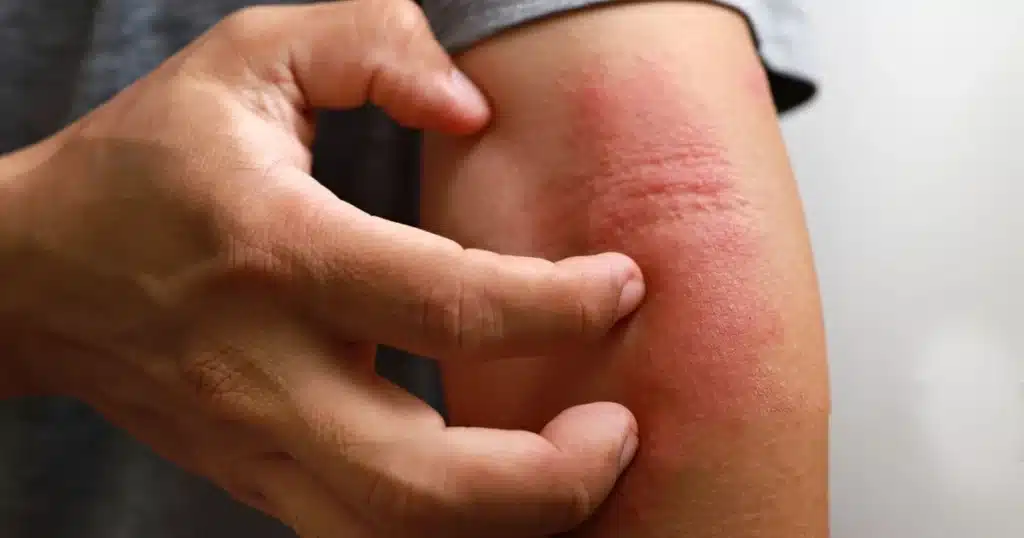
Yes, skin irritation can cause acne, but not every breakout is due to friction or harsh products. Understanding this connection helps you manage flare-ups and protect your skin. Forehead acne, acne on the chin, or shoulder acne can all result from irritation.
Patients visiting our emergency room in Lake Jackson often benefit from timely guidance to reduce flare‑ups and prevent worsening. Early intervention and proper care support healthier skin and reduce discomfort.
What Is Skin Irritation?
Skin irritation occurs when friction, pressure, or tight clothing, or other external stressors, damage the skin’s protective barrier. This weakens the skin’s defenses, making it more susceptible to clogged pores, inflammation, and acne formation. A review analyzing 135 published cases found that mechanical stress alone (rubbing, pressure, or occlusion) can trigger classic acne or acne‑like eruptions.
How Does It Affect Your Skin
- Barrier disruption: Friction or pressure weakens the skin’s outer layer, allowing irritants and microbes easier access.
- Inflammation: Mechanical stress triggers redness, swelling, and irritation around hair follicles.
- Pore blockage: Sweat, oil, and debris trapped by friction can clog pores, leading to whiteheads or blackheads.
- Bacterial growth: Once skin is compromised and pores are blocked, acne‑causing bacteria have favorable conditions to grow, potentially resulting in pimples or deeper lesions.
How Skin Irritation Triggers Acne Breakouts?
Skin irritation lowers the skin’s natural defenses, making it easier for pores to become blocked and inflamed. Even mild friction or pressure may trigger new acne or worsen existing breakouts. Recognizing irritation as a factor helps distinguish it from hormonal or lifestyle‑related acne.
1. Friction and Pressure
Rubbing from hats, helmets, straps, or tight clothing exerts mechanical stress on hair follicles and skin surface. This triggers inflammation and may lead to clogged pores, increasing the risk for pimples, blackheads, or deeper lesions, such as cystic acne on the chin or jawline.
2. Heat and Sweat
When tight or non‑breathable clothing or gear traps sweat and heat against the skin, oil and dead skin cells accumulate. This warm, moist environment promotes bacterial growth and pore blockage, leading to whiteheads, blackheads, or inflamed pimples, often where friction is greatest.
3. Barrier Weakness
Repeated rubbing or pressure causes micro‑injuries to the skin barrier, reducing its ability to defend against irritants and bacteria. Compromised skin is more prone to inflammation and breakouts, which may manifest as hormonal pimples or cystic acne on the chin or jawline. Gentle skincare and barrier repair can help minimize these flare‑ups.
4. Excess Sebum Production
Skin irritation can trigger the sebaceous glands to produce more oil as a protective response. Excess sebum mixes with dead skin cells, increasing the likelihood of clogged pores. This creates an environment for whiteheads, blackheads, and cystic acne to develop, especially on the chin, forehead, and jawline.
Skin Irritation Triggers That Cause Acne
Everyday factors can irritate skin enough to trigger acne formation, especially when combined with sweat or oil. Identifying these triggers allows for prevention and better skin care.
- Tight Clothing Or Straps: Belts, collars, bra straps, or backpack straps that rub or press against skin can cause irritation and pimples.
- Sports Gear / Protective Equipment: Helmets, shoulder pads, chin‑straps, or any persistent tight gear can create friction, pressure, and sweat retention, common in acne mechanica.
- Non‑breathable Or Occlusive Fabrics: Materials that trap heat and moisture increase the risk of pore blockage, whiteheads, and pimples.
- Frequent Touching Or Pressure: Resting chin or face on hands, or continuous rubbing from gear or clothing, introduces bacteria and irritation, raising acne risk.
- Harsh Skincare Or Abrasive Products: Over‑exfoliation, scrubs, or comedogenic products can damage the skin barrier, making it more sensitive to irritation‑induced acne.
Which Areas Are Most Affected by Skin Irritation?
Acne that stems from irritation often shows up where skin is subject to friction, pressure, or occlusion, not just the classic “T‑zone.” Recognizing these zones helps in targeted prevention.
- Forehead: Friction from hats, helmets, headbands, or hair accessories can trigger forehead acne due to irritation.
- Chin and Jawline: Helmet straps, shirt collars, or resting the chin on hands may cause acne on the chin or around the mouth area.
- Neck: Tight clothes, straps, or gear pressing on the neck can lead to neck acne caused by skin irritation.
- Shoulders and Upper Back: Backpack straps, sports gear, bras, or tight tops can rub against these areas, leading to shoulder acne or body acne.
- Other friction zones: Skin‑on‑skin contact areas (e.g. inner thighs, underarms) may also develop irritation‑related pimples when friction and moisture persist.
When to See a Dermatologist
If acne from irritation becomes persistent, painful, spreads to unusual areas, or fails to improve with gentle skincare and acne products, professional evaluation is recommended. A dermatologist can help identify whether irritation, hormones, or other factors are at play and suggest effective treatments. Signs to watch for:
- Inflamed, cystic, or painful bumps that won’t heal.
- Breakouts on the neck, shoulders, or other unusual areas.
- Acne is unresponsive to good acne skin care or acne treatment products.
- Scarring or dark marks from repeated breakouts.
If you notice these symptoms, consider contacting a qualified skin specialist or Altus Emergency Centers for a proper assessment and care plan.
Preventing Acne Caused by Skin Irritation
Preventing irritation‑related acne means protecting the skin barrier, reducing friction, and maintaining a gentle but consistent acne skin care routine. Good habits and proper care can significantly lower the risk of breakouts.
- Gentle acne skin care: Use mild, non‑irritating cleansers and non‑comedogenic moisturizers to support the skin barrier and prevent over‑drying or sensitivity.
- Choose breathable, loose clothing and gear: Soft, well‑fitting garments and gear minimize friction, pressure, and sweat trapping, reducing risk for whitehead pimples or pimples and blackheads.
- Reduce friction and pressure: Adjust straps properly, avoid prolonged pressure against skin, and avoid constant face‑touching or gear‑related skin contact.
- Maintain skin hygiene: Shower after sweating or wearing tight gear, wash clothes/gear regularly, and ensure skin is clean to remove sweat, oil, and bacteria that could clog pores.
- Use appropriate acne products: If using acne treatment products, opt for those formulated to treat pimples, blackheads, or whiteheads while being gentle on sensitive skin. Patch‑test first and monitor skin response carefully.
Altus Emergency Centers: Care for Acne & Skin Irritation
If you notice persistent breakouts, painful pimples, or irritation that doesn’t improve with acne skin care, timely medical attention can prevent worsening. Can Skin Irritation Cause Acne? Yes, and professional evaluation helps identify triggers and guide effective treatment.
At Altus Emergency Centers, our team provides fast, trusted emergency care for severe or persistent acne, including cystic breakouts on the chin, forehead acne, or irritation-related pimples. Early assessment and targeted recommendations help protect your skin, reduce discomfort, and support long-term skin health.
