
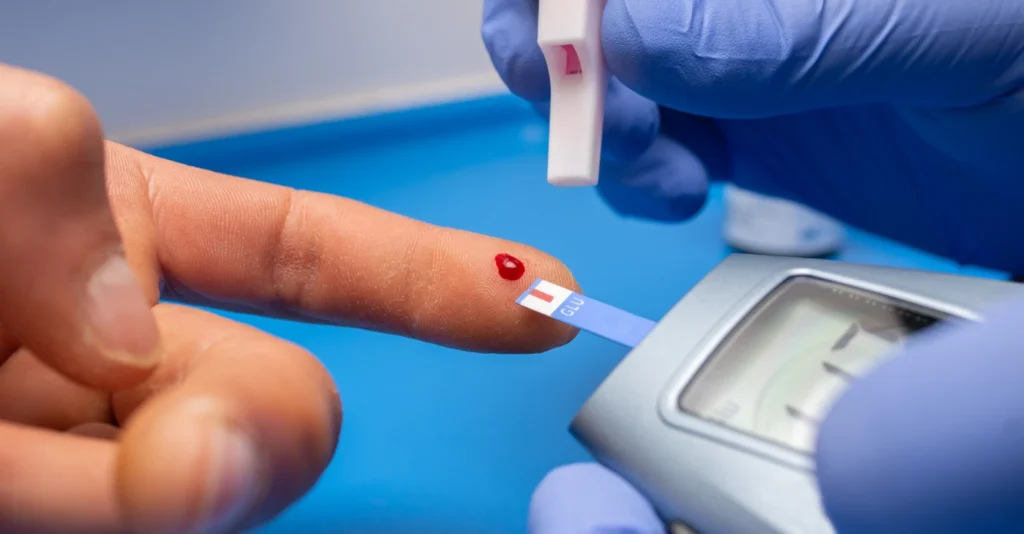
Yes, diabetes can have a genetic component, meaning your family history may increase your risk, but genetics alone don’t determine whether you will develop the condition. Lifestyle, diet, physical activity, and other environmental factors also play a major role in influencing your overall risk, so taking proactive steps can make a real difference.
Managing concerns about diabetes can feel overwhelming, especially if a family member has it. But being informed about your genetic risk, recognizing early symptoms, and seeking timely care, including support from our Altus emergency room, Lumberton, TX, when urgent issues arise, can help you prevent complications and manage your health more confidently.
What Is Diabetes?
Diabetes is a chronic condition in which the body cannot properly produce or use insulin, leading to high blood sugar levels that can damage organs over time. It affects millions worldwide and increases the risk of heart disease, kidney issues, and nerve damage. Research shows that genetic factors play a role in diabetes risk. One study of over 53,000 people with type 2 diabetes identified multiple genetic variations influencing susceptibility across populations.
Symptoms Of Diabetes
- Frequent urination (polyuria).
- Excessive thirst (polydipsia).
- Unexplained weight loss.
- Fatigue and weakness.
- Blurred vision.
- Slow‑healing sores or frequent infections.
How Is Diabetes A Genetic Disease
Diabetes can be influenced by genetics because certain inherited genes increase the risk of developing the condition. These genes don’t guarantee that diabetes will occur, but they can affect how your body produces and uses insulin or how the immune system responds. Genetic predisposition often interacts with lifestyle factors such as diet, activity level, and body weight. Understanding this link helps identify at-risk individuals and reinforces the importance of preventive health measures.
Is Type 1 Diabetes Genetic
Yes. Type 1 diabetes is strongly influenced by genetics. Specific genetic variations, particularly within the human leukocyte antigen (HLA) region, increase autoimmune activity that attacks insulin‑producing cells in the pancreas. Researchers have identified over 60 genetic regions associated with type 1 diabetes susceptibility, though environmental triggers, such as viral infections, can also influence whether the disease develops.
Is Type 2 Diabetes Genetic
Yes. Type 2 diabetes has a significant genetic component, but lifestyle and environment play an equally important role. Family history raises your risk because multiple genetic variants can predispose you to insulin resistance and impaired insulin secretion. While genes matter, unhealthy diet, sedentary habits, and excess weight often interact with genetic factors to trigger type 2 diabetes.
Can Diabetes Be Reversed
Diabetes reversal depends on the type and individual circumstances. Type 2 diabetes can sometimes be put into remission through sustained lifestyle changes such as weight loss, healthy eating, and regular physical activity. Bariatric surgery and certain medications can help some people achieve normal blood glucose levels without ongoing drug therapy. However, type 1 diabetes cannot currently be reversed due to autoimmune destruction of insulin-producing cells.
When To See A Doctor
See a healthcare provider if you experience signs of high or low blood sugar or symptoms that interfere with daily life. Early evaluation helps prevent complications and ensures appropriate treatment. Signs to seek medical care include:
- Very high blood sugar (polyuria, extreme thirst).
- Confusion, weakness, or fainting.
- Rapid heartbeat or difficulty breathing.
- Signs of infection or slow‑healing wounds.
- Unexplained weight loss or vision changes.
If you notice any of these symptoms, contact the Lumberton Hospital immediately for prompt assessment and care.
How To Prevent Diabetes
Prevention focuses on controlling risk factors to keep blood sugar healthy. Even with a genetic predisposition, lifestyle choices like balanced nutrition, regular exercise, and weight management can lower your risk. Healthy habits also reduce the chance of complications from other chronic conditions.
- Lifestyle Changes: Most doctors recommend eating a balanced diet rich in whole foods and engaging in regular physical activity to help regulate blood sugar and improve insulin sensitivity.
- Medication (Prescribed): Most doctors recommend medications like metformin for type 2 diabetes or insulin therapy for type 1 diabetes to manage blood glucose levels effectively.
- Continuous Glucose Monitoring (CGM): Real-time glucose tracking can help optimize daily management and reduce risks of highs and lows.
- Weight-Loss Surgery (Bariatric Surgery): For eligible individuals with type 2 diabetes, bariatric surgery can lead to long-term remission.
- Foot and Eye Care Exams: Regular specialist evaluations detect complications early, protecting vision and limb health.
- Blood Pressure & Cholesterol Medications: Most doctors recommend controlling cardiovascular risk factors to reduce the chance of heart and kidney disease.
- Healthy Sleep & Stress Management: Adequate sleep and stress reduction techniques can improve overall glucose control and support long-term health.
Choosing the Right Care with Altus Emergency Center
Managing diabetes can be overwhelming, especially if you have a family history of the condition. At Altus Emergency Centers, our team helps you navigate your options, from routine monitoring to urgent care. Whether you need a same-day evaluation for sudden symptoms or coordinated care with trusted facilities like Lumberton Hospital, we’re here to guide you every step of the way. You may be asking yourself, “Is diabetes genetic?” Understanding your risk is important, but timely medical attention is equally crucial. Our compassionate staff is available 24/7 to provide support, answer your questions, and ensure you receive the appropriate care to protect your health and well-being.