
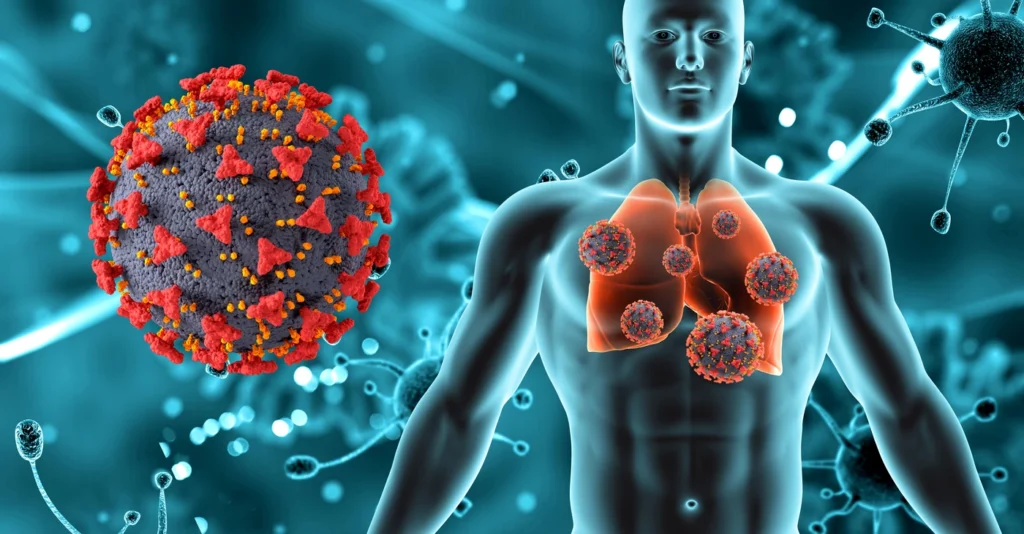
Blood clots in the lungs are a serious and potentially life-threatening condition that requires immediate medical attention. Understanding What Causes Blood Clots In Lungs is essential for recognizing risk factors early, preventing complications, and seeking timely treatment before permanent damage occurs.
These clots often develop without warning and may quickly interfere with oxygen flow and heart function. At our Altus emergency room Lumberton, TX, patients receive rapid diagnosis, advanced imaging, and prompt care to manage pulmonary blood clots and reduce the risk of severe outcomes.
How Do Blood Clots Get In Your Lungs
Blood clots typically form in the deep veins of the legs or pelvis and travel through the bloodstream to the lungs, where they block pulmonary arteries. This condition is known as pulmonary embolism and can severely reduce oxygen exchange.
According to a National Institutes of Health (NIH) study, more than 60% of pulmonary embolisms originate from deep vein thrombosis (DVT), emphasizing how commonly clots migrate rather than form directly in the lungs.
Blood Clot In Lung Symptoms
- Sudden shortness of breath.
- Sharp or stabbing chest pain that worsens with deep breathing.
- Rapid or irregular heartbeat.
- Coughing, sometimes with blood.
- Lightheadedness or fainting.
- Unexplained sweating or anxiety.
Causes Of Blood Clots In Lungs
Blood clots in the lungs develop due to a combination of slowed blood flow, damage to blood vessels, and increased blood clotting ability. These factors often build silently over time and may not cause symptoms until a clot reaches the lungs. Identifying the underlying causes plays a critical role in prevention and early intervention.
1. Prolonged Immobility
Extended periods of sitting or bed rest slow blood circulation in the legs, increasing the likelihood of clot formation. This often occurs during long-distance travel, hospitalization, or extended recovery after illness. Reduced muscle movement allows blood to pool in the veins, making clot formation more likely.
2. Recent Surgery Or Injury
Surgical procedures, especially involving the hips, knees, or abdomen, significantly raise the risk of blood clots. Tissue damage and reduced mobility disrupt normal blood flow during recovery. Traumatic injuries can also activate the body’s clotting response as part of healing.
3. Cancer And Cancer Treatments
Certain cancers make blood more likely to clot, particularly lung, pancreatic, and ovarian cancers. Chemotherapy and radiation therapy can damage blood vessels. Cancer patients often have multiple clot-promoting factors at the same time. Limited mobility and inflammation caused by tumors further increase clot risk.
4. Hormonal Medications
Birth control pills and hormone replacement therapy can increase clotting risk by altering blood chemistry. This risk is higher in smokers and individuals over 35. Estrogen plays a key role in promoting clot formation. The risk increases further when hormonal therapy is combined with prolonged immobility.
5. Pregnancy And Postpartum Period
Pregnancy increases pressure on pelvic veins and alters clotting factors to prevent excessive bleeding during childbirth. These changes can persist for weeks after delivery. As a result, new mothers remain at elevated risk even after birth. Cesarean delivery and reduced activity can further raise this risk.
6. Smoking
Smoking damages blood vessel walls and thickens the blood, making clots more likely. It also reduces oxygen levels, placing additional stress on the heart and lungs. Combined with other risk factors, smoking significantly increases danger. Long-term smoking accelerates vascular inflammation and clot formation.
7. Obesity
Excess body weight places pressure on the veins in the pelvis and legs, slowing circulation. Obesity is also associated with chronic inflammation, which promotes clot development. The risk rises further with limited physical activity. Conditions like diabetes and high blood pressure can amplify this risk.
8. Genetic Clotting Disorders
Some individuals inherit genetic conditions that cause blood to clot more easily than normal. These disorders often remain undiagnosed until a serious clot occurs. Family history plays a crucial role in identifying risk. Testing is often recommended after unexplained or recurrent clotting events.
When To See A Doctor?
Immediate medical evaluation is critical when symptoms suggest a blood clot in the lungs. Prompt treatment can prevent lung damage, heart strain, and sudden life-threatening complications. Delaying care significantly increases health risks.
- Sudden or worsening shortness of breath.
- Chest pain that does not improve.
- Rapid or irregular heartbeat.
- Fainting or severe dizziness.
If you experience these symptoms, contact the Lumberton Hospital immediately for emergency evaluation and care.
Blood Clots In Lungs Treatment
Treatment focuses on preventing clot growth, stopping new clots from forming, and restoring proper blood flow. The approach depends on clot size, severity, and patient stability. Early intervention greatly improves survival and long-term recovery.
- Blood Thinners (Anticoagulants): Medications that prevent further clotting and allow the body to break down existing clots naturally. Most doctors recommend these as the first-line treatment.
- Thrombolytic Therapy: Powerful medications that rapidly dissolve large or life-threatening clots. Most doctors recommend these only in severe cases due to bleeding risk.
- Catheter-Based Procedures: Minimally invasive techniques that remove or dissolve clots directly within the pulmonary arteries when medications are insufficient.
- Inferior Vena Cava (IVC) Filters: Devices placed to prevent clots from traveling to the lungs. Most doctors recommend these when blood thinners are not safe or effective.
- Oxygen Therapy And Supportive Care: Helps maintain oxygen levels, reduce strain on the heart, and stabilize patients during recovery.
Altus Emergency Centers: Trusted Care For Blood Clots
Blood clots in the lungs can develop quickly and lead to serious complications if not treated right away. Understanding What Causes Blood Clots In Lungs helps individuals recognize risks early and take symptoms seriously before they become life-threatening. Prompt evaluation is essential to protect lung and heart function.
At Altus Emergency Centers, our experienced medical team is prepared to rapidly assess symptoms, perform advanced diagnostic testing, and begin appropriate treatment for blood clots in the lungs. Seeking immediate emergency care ensures timely intervention, reduces complications, and supports safer recovery outcomes.