
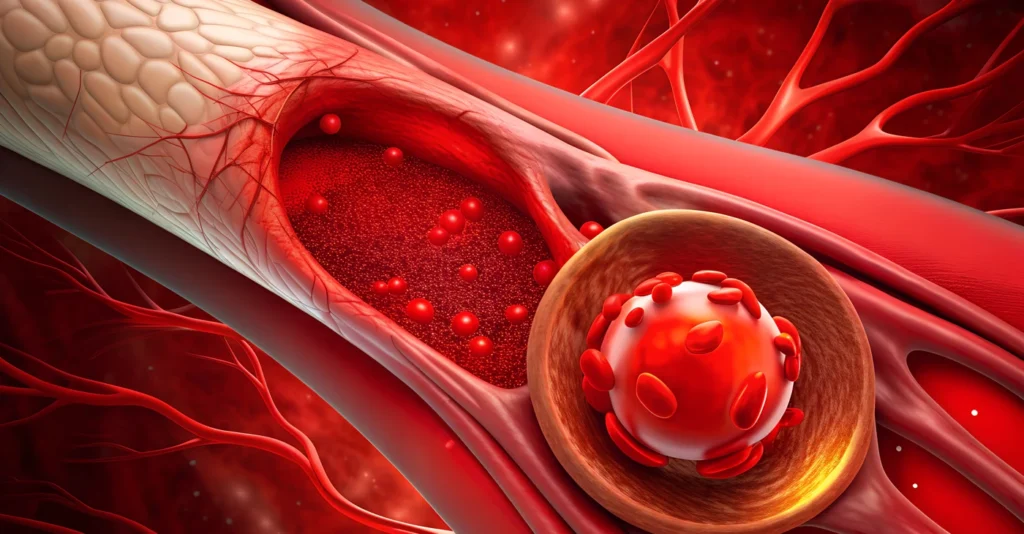
Blood clots are a serious medical concern that can affect people of all ages and health backgrounds. Understanding what causes blood clots is essential because they can interrupt normal blood flow and lead to life-threatening complications if not treated promptly. While clotting is a natural process that prevents excessive bleeding, abnormal clots can form inside veins or arteries and cause severe damage.
Many people ignore early warning signs because symptoms can be subtle or mistaken for less serious conditions. At our Altus emergency room Lumberton, TX, patients frequently arrive with advanced complications that could have been prevented with early recognition and timely care. Knowing the causes, symptoms, and risk factors empowers individuals to seek help before a clot becomes dangerous.
What Are Blood Clots
Blood clots are gel-like masses formed when blood thickens and clumps together inside a blood vessel. This process is vital for stopping bleeding after an injury, but problems occur when clots form without a wound or fail to dissolve naturally. Abnormal clots can block blood flow to vital organs such as the heart, lungs, or brain.
According to a systematic review of thromboembolic events, approximately 21% of patients experienced clotting complications, with about 20% specifically developing deep vein thrombosis (DVT), a common type of blood clot that forms in the veins.
How Do You Know If You Have A Blood Clot
- Swelling in one limb, especially a blood clot in the leg.
- Sudden pain or tenderness without injury.
- Warmth or redness over the affected area.
- Shortness of breath or chest pain from blood clots in the lungs.
- Vision changes or confusion from a blood clot in the brain.
Causes Of Blood Clots
1. Prolonged Immobility
Long periods of sitting or lying down slow blood circulation, allowing clots to form more easily. This is common during long flights, extended bed rest, or hospitalization. Poor circulation increases pressure in the veins, particularly in the legs. This significantly raises the risk of deep vein thrombosis.
Symptoms
- Swelling in the calf or thigh.
- Pain resembling a muscle cramp.
- Warm skin over the area.
- Symptoms of a blood clot in the leg worsen with movement.
2. Surgery Or Physical Trauma
Surgical procedures and injuries damage blood vessels and activate clotting mechanisms. Orthopedic surgeries are especially high-risk due to reduced mobility afterward. Trauma also triggers inflammation, increasing clot formation. Post-surgical clots may develop silently.
Symptoms
- Swelling near the surgical site.
- Persistent pain not related to healing.
- Skin discoloration.
- Sudden breathing difficulty if clots migrate.
3. Hormonal Changes And Menstrual Factors
Hormonal fluctuations can increase clotting tendency, particularly estrogen-related changes. This explains why blood clots during the period and blood clots in menstrual cycles may occur in some individuals. Birth control pills and hormone therapy elevate this risk. Dehydration during menstruation may worsen clot formation.
Symptoms
- Heavy menstrual bleeding with clots.
- Pelvic pain or pressure.
- Blood clots in urine.
- Fatigue or dizziness.
4. Pregnancy And Postpartum Period
Pregnancy naturally increases clotting factors to prevent hemorrhage during childbirth. Reduced mobility and pressure on pelvic veins further increase the risk. Blood flow changes persist after delivery, making postpartum clots common. Women with a personal or family history of clots should be closely monitored during pregnancy and postpartum. Vigilance is crucial during this time.
Symptoms
- Leg swelling or pain.
- Sudden chest pain.
- Shortness of breath.
- Localized warmth in limbs.
5. Heart Conditions And Abnormal Rhythm
Irregular heart rhythms, such as atrial fibrillation, cause blood to pool and clot. These clots can travel to the brain or other organs. A blood clot in the heart may result in a stroke or organ damage. Controlling heart rhythm and using anticoagulants when indicated can significantly reduce the risk of dangerous clots. Prompt management reduces complications.
Symptoms
- Chest discomfort.
- Rapid or irregular heartbeat.
- Weakness on one side of the body.
- Dizziness or confusion.
Also Read: Guide To A Healthy Heart
6. Smoking And Tobacco Use
Smoking damages blood vessel walls and increases blood thickness. This accelerates clot formation and reduces oxygen delivery. Smokers are at higher risk for arterial clots and stroke. The danger multiplies when combined with hormonal medications. Quitting smoking and avoiding secondhand smoke are critical steps to lower clotting risk.
Symptoms
- Cold or pale fingers from a blood clot in the finger.
- Chest tightness.
- Persistent cough.
- Shortness of breath.
7. Cancer And Chronic Illness
Certain cancers increase clotting proteins in the blood. Chemotherapy and long-term inflammation further elevate risk. Many cancer-related clots form without warning. These clots are often recurrent and aggressive. Regular monitoring and preventive anticoagulants can be crucial for high-risk cancer patients.
Symptoms
- Swelling without injury.
- Sudden pain in limbs.
- Blood clots in the lungs symptoms.
- Unexplained fatigue.
8. Genetic Or Inherited Clotting Disorders
Some individuals inherit conditions that cause blood to clot too easily. These disorders may remain undetected until adulthood. Family history significantly raises risk. Early testing helps prevent severe outcomes. Genetic counseling and early detection can guide preventive measures and reduce serious complications.
Symptoms
- Recurrent unexplained clots.
- Head blood clots cause headaches.
- Vision disturbances.
- Stroke-like symptoms.
When To See A Doctor?
Seek medical attention immediately if symptoms appear suddenly or worsen quickly. Blood clots can escalate without warning and lead to organ failure or death. Early diagnosis significantly improves outcomes and prevents complications. Warning signs include:
- Sudden swelling or pain in one limb.
- Difficulty breathing or chest pain.
- Confusion or trouble speaking.
- Severe headache or vision loss.
If you experience any of these symptoms, contact the Lumberton hospital immediately for emergency evaluation and care.
How To Treat A Blood Clot
Treating a blood clot requires prompt medical evaluation and personalized care. The primary goal is to prevent the clot from growing, breaking loose, or causing long-term damage. Early treatment reduces the risk of recurrence and life-threatening complications.
- Blood Thinners (Anticoagulants): These medications prevent existing clots from enlarging and stop new clots from forming. Most doctors recommend anticoagulants as first-line therapy depending on clot location and risk factors.
- Over-The-Counter Pain Relief: Non-prescription pain relievers may help manage discomfort and swelling. Most doctors recommend using these only alongside prescribed clot-specific treatment.
- Compression Stockings: These improve circulation and reduce swelling, especially for blood clot in leg cases. They also lower the risk of post-thrombotic syndrome.
- Medical Procedures: In severe cases, clot-dissolving medications or minimally invasive procedures may be required. Most doctors recommend these when clots threaten vital organs.
- Lifestyle And Home Care Methods: Hydration, gentle movement, smoking cessation, and weight management support healing. Most doctors recommend lifestyle changes to reduce recurrence risk.
Altus Emergency Centers: Emergency Care You Can Trust
Worried about what causes blood clots or noticing symptoms in yourself or a loved one? At Altus Emergency Centers, our skilled medical team is ready to quickly assess your condition, provide necessary tests, and start treatment to prevent complications.
Early intervention is critical to reduce the risk of serious events like pulmonary embolism or stroke. Understanding the causes helps you take preventive steps, but the safest approach is seeking immediate emergency care at Altus Emergency Centers to protect your health.