 Skip to content
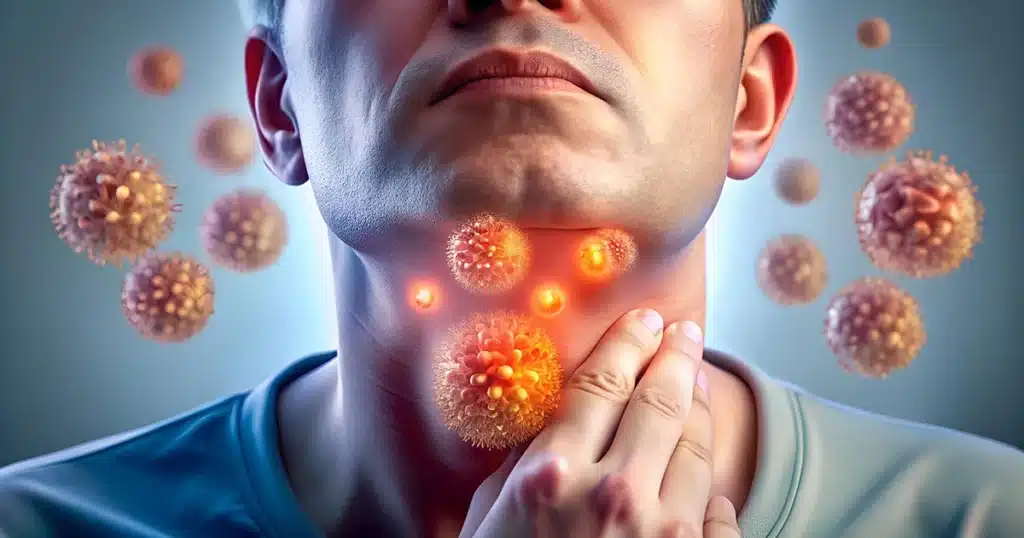
Strep throat is a common bacterial infection that can make everyday activities like eating, talking, and caring for loved ones uncomfortable. Recognizing symptoms early is essential to reduce discomfort and prevent the spread of the infection to others.
Have you ever wondered “How contagious is strep throat?”, especially when someone at home or work starts showing signs? Understanding the strep throat contagious period, how it spreads, and when to seek care, such as at Altus emergency room in Lumberton, TX, helps protect both you and those around you.
What Is Strep Throat
Strep throat is a bacterial infection of the throat and tonsils caused by Group A Streptococcus (Streptococcus pyogenes). It leads to sudden sore throat, fever, and swollen lymph nodes, and is the most common bacterial cause of pharyngitis, responsible for about 20–30% of sore throats in children and 5–15% in adults. A study of nearly 2,000 patients found S. pyogenes in 42.6% of cases using rapid testing, highlighting the importance of timely diagnosis. Prompt care helps reduce symptoms and prevent strep throat transmission.
What Causes Strep Throat
Strep throat is caused by Group A Streptococcus bacteria, which can live in the nose and throat. The infection spreads mainly through respiratory droplets and contact with contaminated surfaces.
Causes Include:
- Respiratory Droplet Transmission: Tiny droplets from an infected person’s cough, sneeze, or talk carry the bacteria.
- Direct Contact With Contaminated Surfaces: Sharing utensils, cups, or touching surfaces contaminated with bacteria can transmit the infection.
- Close Living Environments: Schools, daycare centers, and crowded households increase exposure risk.
- Weakened Immune System: Recent viral infections, stress, or poor immunity make it easier for bacteria to infect the throat.
- Early Strep Throat Exposure: Being near someone in the early stages of infection increases the chance of catching the bacteria.
How Long Is Strep Throat Contagious
The strep contagious period begins 1–2 days before symptoms appear and continues until effective treatment starts. Without antibiotics, a person can remain contagious for 2–3 weeks, but after starting antibiotics, the risk of spreading bacteria drops significantly within 24–48 hours. Practicing proper hygiene and avoiding close contact during this period is essential to prevent strep throat transmission.
How Long Does Strep Throat Last
Strep throat generally lasts 7–10 days from symptom onset. Most people start feeling better within a few days with supportive care, though antibiotics shorten the duration and prevent complications.
How Long Does Strep Throat Last Without Antibiotics
Without antibiotics, strep throat may persist for a week or more, and individuals remain contagious for longer. Although symptoms can resolve on their own, untreated cases increase the risk of rheumatic fever and other complications.
How Long Does Strep Throat Last With Antibiotics
With antibiotic treatment, most people notice improvement within 24–48 hours, and the infection clears faster. Completing the full course ensures the strep throat bacteria are eliminated and prevents recurrence.
Does Strep Throat Go Away on Its Own
Yes, strep throat can sometimes resolve without antibiotics, but this is not recommended. Untreated infections last longer, remain contagious, and increase the risk of serious complications such as rheumatic fever or kidney inflammation. Early treatment provides faster strep throat relief and shortens the contagious stage of strep throat.
How to Know If You Have Strep Throat
It can be difficult to tell if a sore throat is caused by strep or a viral infection. Paying attention to sudden discomfort, recent exposure to someone with strep, or persistent throat pain can help you decide when to seek care. For accurate diagnosis and treatment, you can visit Altus Emergency Center, where medical professionals provide timely evaluation.
Signs of Strep Throat
- Sudden Sore Throat: The pain appears quickly and can make swallowing uncomfortable, often worsening over hours.
- Fever: Body temperature rises as your immune system responds to the bacterial infection.
- Red Back Throat: The throat and tonsils become inflamed and appear bright red.
- White Spots Back Of Throat: Pus or white patches may appear on the tonsils, indicating bacterial infection.
- Swollen Lymph Nodes: Tender glands in the neck may develop as your body fights the bacteria.
- Headache And Body Aches: General discomfort and fatigue can accompany the infection.
Strep Throat in Kids
Children, particularly those aged 5–15 years, are more susceptible to strep throat due to close contact in schools and daycares. Early detection reduces discomfort, prevents spread, and limits the strep throat contagious period among classmates and siblings.
Symptoms of Strep Throat in Kids
- High fever: Often sudden and sustained.
- Severe throat pain: Makes swallowing and talking difficult.
- White spots from strep throat: Pus or white patches on the tonsils.
- Red speckles on the back of the throat: Tiny red spots may appear on the palate.
- Swollen lymph nodes: Tender glands in the neck.
How to Treat Strep Throat
Treatment focuses on relieving symptoms, eliminating bacteria, and preventing complications or further spread. Supportive care helps soothe a red back throat and reduces discomfort. Treatment options:
- Antibiotics (penicillin or amoxicillin): Eliminate Group A strep and shorten the strep throat contagious period.
- Pain relievers & fever reducers: Ibuprofen or acetaminophen provide strep throat relief.
- Hydration: Warm fluids and water help soothe the throat.
- Rest and isolation: Staying home prevents strep throat transmission.
- Saltwater gargles: Warm saltwater reduces swelling and discomfort.
Altus Emergency Centers: Expert Care for Strep Throat
If you are experiencing a sudden sore throat, fever, or persistent discomfort, you may be asking, “How contagious is strep throat?” At Altus Emergency Centers, our experienced medical team provides prompt emergency care, evaluates your symptoms, confirms the diagnosis through rapid testing or throat culture, and delivers timely treatment to reduce symptoms and prevent transmission.
For more severe or prolonged cases, we offer personalized treatment, including antibiotics, supportive therapies, and guidance on managing the strep throat contagious period. Our goal is to relieve discomfort, limit the spread to family or coworkers, and help patients recover safely and quickly, returning to their daily routine with confidence.
