 Skip to content
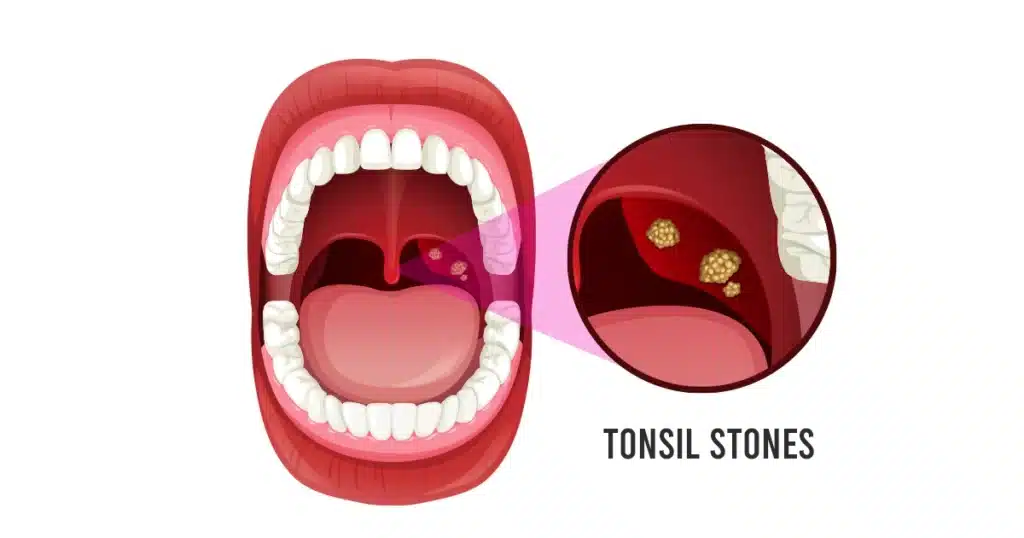
Tonsil stones, medically known as tonsilloliths, are small, hard formations that develop in the crevices of the palatine tonsils. They form when food particles, bacteria, and dead cells get trapped and calcify over time. These stones can cause discomfort, irritation, and bad breath for many people.
While tonsil stones are usually harmless, they can feel uncomfortable or embarrassing. This is especially true when they cause tonsil stones to smell or difficulty swallowing. Understanding what causes tonsil stones can help reduce their frequency and manage symptoms effectively. If you experience persistent discomfort, the Altus emergency room in Lumberton, TX, can provide a professional assessment.
Why Do People Get Tonsil Stones?
Tonsil stones form when food particles, bacteria, and dead cells get trapped in the grooves of the palatine tonsils, known as tonsillar crypts. People with deeper or irregular crypts are more prone, as these pockets retain material that would normally be cleared. A CT scan study found that nearly 39.9% of people have detectable tonsilloliths, showing that anatomical and age-related factors contribute to their formation.
How Do You Know If You Have Tonsil Stones?
- Persistent bad breath that doesn’t improve with brushing or mouthwash.
- A bad taste in your mouth or a smell of tonsil stones.
- Sensation of something stuck in the throat.
- White patches on the tonsils or visible white nodules on the throat.
- Coughing or throat irritation.
- Difficulty swallowing due to discomfort.
- Ear pain due to shared nerve pathways.
- Chronic sore throat or tonsillar exudate.
Also learn about the symptoms and treatments of: Tonsillitis.
Causes of Tonsil Stones
Tonsil stones form from buildup inside the tiny pockets and folds on the tonsils’ surface. These areas, often called cryptic tonsils, trap debris and bacteria that eventually harden into stones. While generally harmless, repeated episodes can cause symptoms such as bad breath, discomfort, and irritation. Understanding the main causes can help prevent recurrence and manage symptoms effectively.
1. Poor Oral Hygiene
Inadequate brushing and flossing allow food particles and bacteria to accumulate in the mouth and tonsillar crypts. Over time, this trapped debris can calcify and form tonsilloliths. Maintaining good oral hygiene significantly reduces the risk of stone formation. Regular cleaning also helps minimize the smell of tonsil stones and throat irritation.
2. Deep Tonsillar Crypts
Some people naturally have deeper folds in their palatine tonsils, which act as pockets that trap debris more easily. These crypts are more prone to bacterial growth and calcification. Individuals with deep crypts are at higher risk for recurrent tonsil stones. Awareness and gentle cleaning can help prevent debris buildup and discomfort.
3. Recurrent Tonsillitis (Frequent Infections)
Repeated tonsil infections cause inflammation and tissue damage, leading to enlarged tonsils with deeper crypts. This increases the likelihood of debris retention and stone formation. People with a history of chronic tonsillitis often experience frequent tonsillar exudate. Proper medical management of infections can reduce the chance of recurrent stones.
4. Large Tonsils
Enlarged tonsils have more surface area and deeper crevices, which can trap food particles, bacteria, and dead cells. This makes huge tonsil stones more likely to develop. Large tonsils may also contribute to difficulty swallowing and persistent throat irritation. Regular monitoring and cleaning are recommended for affected individuals.
5. Post-Nasal Drip
Excess mucus from allergies or sinus infections can flow down the throat and accumulate in tonsil crypts. This sticky material mixes with bacteria and debris, promoting stone formation. Post-nasal drip can also cause a persistent sore throat and contribute to tonsil stones smell. Treating underlying sinus issues helps reduce debris buildup.
6. Chronic Sinus Issues
Long-term sinus inflammation leads to constant post-nasal drip and mucus accumulation in the throat. This increases the chance of debris lodging in cryptic tonsils, forming stones. Chronic sinus problems can worsen throat irritation and bad breath. Managing sinus health can reduce the recurrence of tonsilloliths.
7. Dehydration and Dry Mouth
Reduced saliva production prevents natural flushing of debris and bacteria from the mouth and throat. Dry mouth allows particles to remain in tonsil crypts longer, increasing stone formation risk. Staying hydrated and using saliva-promoting strategies can help prevent white nodules on the throat. Proper oral care is essential to minimize recurrence.
8. Smoking and Tobacco Use
Tobacco smoke irritates oral tissues and increases bacterial colonization in the mouth and tonsils. This creates a favorable environment for debris calcification and the development of huge tonsil stones. Smokers are also more likely to experience tonsil stones smell and chronic throat irritation. Quitting smoking reduces stone formation and improves overall oral health.
How Long Do Tonsil Stones Last?
Tonsil stones can last anywhere from a few days to several weeks, depending on their size and location. Small stones may fall out on their own or be dislodged while eating, drinking, or gargling. Larger stones can persist longer and cause ongoing symptoms like irritation or bad breath until removed. Regular oral care and debris-flushing measures can reduce their duration.
How to Get Rid of Tonsil Stones
Removing tonsil stones often involves gently loosening the trapped debris. Some stones dislodge on their own or through self-care, while others require medical removal. Below are recognized methods to help with removing stones from tonsils and getting rid of tonsilloliths safely and effectively.
- Gargling With Salt Water: Gargling with warm salt water several times a day helps loosen debris and bacteria that contribute to stone formation. It also soothes irritated tissues.
- Mouthwash for Tonsil Stones: Using an alcohol-free antimicrobial mouthwash regularly reduces bacterial load that contributes to tonsil stone formation.
- Water Flosser or Low-Pressure Irrigation: A water flosser on a gentle setting can flush out debris from the holes in tonsils without damaging delicate tissues.
- Manual Removal (With Caution): Using a cotton swab or curved tool to gently push stones out can work, but sharp objects should never be used as they may cause bleeding tonsils or infection.
- Oral Hygiene Tools: Tongue scrapers, soft brushing of the back of the tongue, and regular flossing help remove particles before they lodge in tonsil crypts.
- Antibiotics (If Infection Present): If tonsil stones cause infection or significant inflammation, a healthcare provider may prescribe antibiotics. These help with infection but don’t dissolve stones directly.
- Cryptolysis (Laser or Radiofrequency Treatment): In persistent cases, an ENT specialist may use laser or radiofrequency techniques to smooth the tonsil surface so debris is less likely to become trapped.
- Tonsillectomy (Surgical Removal): If stones recur frequently and significantly impact quality of life, removal of the tonsils may be recommended as a permanent solution.
Altus Emergency Centers: Expert Care for Tonsil Stones
If you are struggling with discomfort, difficulty swallowing, or persistent bad breath, you may be wondering what causes tonsil stones. At Altus Emergency Centers, our medical team provides a thorough evaluation to determine the underlying causes and recommend effective treatment.
For severe cases or recurring stones, inpatient care may be necessary to provide specialized treatment, including medical procedures or surgical options. Our compassionate team monitors your condition closely and offers personalized care, helping patients recover quickly and safely.
