

A seizure happens when brain signals suddenly become abnormal and temporarily affect how the brain functions. It may impact movement, speech, awareness, behavior, or emotions, depending on the area of the brain involved.
Some seizures cause shaking or loss of awareness, while others may appear as staring or confusion. Severe cases may require immediate Altus ER Lumberton, TX, especially if the seizure lasts several minutes, causes injury, or affects breathing.
What Is a Seizure?
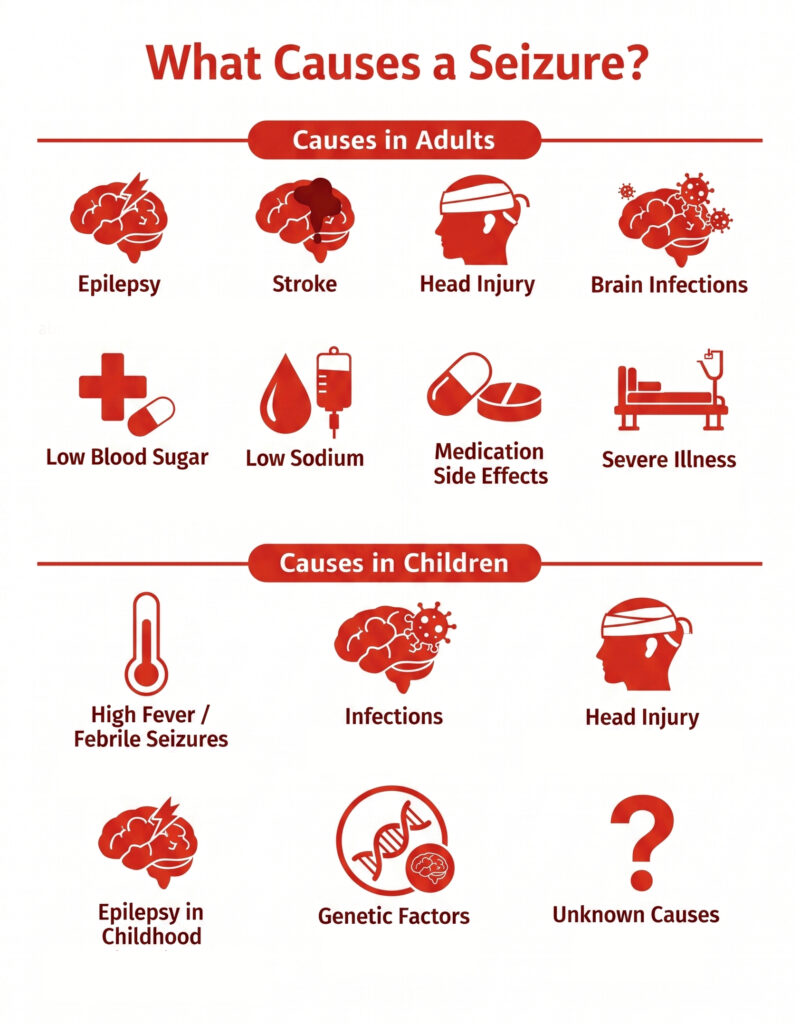
Seizures can happen for many different medical reasons and may affect both adults and children. Understanding what causes a seizure helps families recognize warning signs early and seek timely medical attention when symptoms appear.
Seizures in Adults
Adults may develop seizures due to neurological conditions, injuries, metabolic problems, or severe illnesses. In some cases, seizures happen suddenly without any previous history.
- Epilepsy causing repeated abnormal brain activity
- Stroke affecting blood flow and brain function
- Head injury from accidents, falls, or trauma
- Brain infections such as meningitis or encephalitis
- Low blood sugar levels affecting brain energy supply
- Low sodium causing electrolyte imbalance in the brain
- Medication-related issues or drug side effects
- Severe illnesses affecting brain or body function
Seizures in Children
Seizures in children are often linked to fever, infections, or underlying neurological conditions. Some childhood seizures are temporary, while others may require long-term medical care and monitoring.
- High fever causing febrile seizures
- Infections affecting the brain or nervous system
- Head injury from falls or accidents
- Epilepsy or seizure disorders diagnosed in childhood
- Genetic factors affecting brain development
- Unknown causes that may need further testing
Early signs of seizures, such as sudden jerking, confusion, or loss of awareness should be taken seriously. Any first-time seizure requires urgent care for seizure to ensure immediate evaluation and proper treatment.
What Does a Seizure Feel Like?
A seizure may feel different for every person depending on the type and severity of the episode. Some people notice warning signs before the seizure starts, while others lose awareness suddenly and may not remember the event afterward.
Strange Warning Feelings Before a Seizure
Some people experience an unusual warning feeling before a seizure begins, often called an aura. This may feel like sudden fear, discomfort, or the sense that something unusual is about to happen. These warning signs can appear seconds or minutes before the seizure starts.
Fear, Panic, or Confusion
A seizure may suddenly trigger fear, panic, or confusion without any clear reason. The person may appear frightened, disoriented, or unable to fully understand what is happening around them. These emotional changes can happen very quickly during the episode.
Dizziness or Lightheadedness
Many people feel dizzy or lightheaded before or during a seizure. This sensation may affect balance, coordination, and the ability to stand or walk normally. Some individuals describe it as feeling faint or unsteady.
Tingling or Unusual Body Sensations
Certain seizures can cause tingling, numbness, or unusual sensations in the face, arms, or legs. These feelings may spread through different parts of the body without warning. Some people describe the sensation as pins and needles or sudden numbness.
Nausea or Stomach Discomfort
Some seizures may cause nausea, stomach discomfort, or a rising feeling in the stomach. This sensation can happen suddenly and may feel similar to motion sickness or anxiety. It is commonly linked with seizures affecting specific brain regions.
Strange Smells or Tastes
A person may suddenly smell or taste something unusual that others around them do not notice. These sensory changes can appear briefly before or during the seizure episode. The smell or taste may feel strong, unpleasant, or difficult to describe.
Blurred Vision or Visual Changes
Some seizures may cause blurred vision, flashing lights, or temporary visual disturbances. These changes can make it difficult to focus clearly or recognize surroundings. Visual symptoms may last only a few seconds or continue throughout the seizure.
Loss of Awareness or Inability to Respond
During some seizures, the person may stop responding or stare blankly into space. They may appear disconnected from their surroundings and unable to speak or react normally. In more severe cases, complete loss of awareness may occur.
After a seizure, many people feel exhausted, confused, sore, or extremely sleepy for several hours while the brain and body recover.
What to Do When Someone Has a Seizure
Seeing someone have a seizure can feel frightening, especially for parents or family members. Staying calm and focusing on safety can help prevent injury until the seizure ends.
- Stay with the person and remain calm throughout the episode
- Keep the person away from sharp or dangerous objects
- Turn them gently on their side if it is safe to do so
- Place something soft under their head for protection
- Time the seizure from beginning to end
- Do not put anything in their mouth
- Do not give food or water until they are fully alert
- Call for emergency help or go to the nearest emergency room if warning signs appear
When to Go to the ER for a Seizure
Some seizures require immediate emergency care because they may indicate a serious medical condition or lead to dangerous complications. Families should seek help at the emergency room quickly if symptoms appear severe or unusual.
- It is the person’s first seizure
- The seizure lasts longer than 5 minutes
- Another seizure happens shortly afterward
- The person has trouble breathing
- Injury occurs during the seizure
- The seizure happens in water
- The person is pregnant
- The person has diabetes
- A child has a seizure with high fever
- The person does not return to normal afterward
Prompt medical evaluation, including checking ER wait times near me when needed, can help identify the cause and reduce the risk of further complications. Typical wait time is about 11 minutes in many emergency departments.
Can Seizures Kill You?
Most seizures are not deadly and stop on their own without causing permanent harm. However, seizures can become life-threatening if they last too long, happen repeatedly, interfere with breathing, or lead to serious injury.
Families should always take emergency warning signs seriously and seek immediate medical care when symptoms become severe or recovery is delayed.
How to Treat Seizures at an Emergency Center
How to treat seizures depends on the underlying cause and the patient’s overall condition. Emergency care focuses on stabilizing the patient, preventing complications, and identifying possible medical triggers. Emergency treatment may include:
- Checking vital signs and breathing status
- Blood testing to identify infections or imbalances
- Fever control for fever-related seizures
- Blood sugar testing for glucose-related problems
- Imaging tests if injury or severe symptoms are present
- Medication to stop or prevent seizures when needed
- Monitoring after the seizure for safety and recovery
- Transfer to a hospital if advanced treatment is required
24/7 Emergency Care for Seizures at Altus Emergency Centers
Seizures can happen unexpectedly and may require immediate medical attention to protect brain health and overall safety. Fast diagnosis and treatment are important, especially when symptoms are severe, prolonged, or happening for the first time.
Altus Emergency Centers provides 24/7 emergency care for adults and children with walk-in emergency support across multiple Texas locations. Patients have access to on-site laboratories, advanced imaging services, and emergency-trained physicians prepared to manage seizure-related emergencies quickly and effectively.
Key Takeaways
- A seizure is a sudden disruption in brain activity that can affect movement, awareness, speech, and behavior.
- Seizures can look different, from staring spells and confusion to shaking and loss of awareness.
- Common causes include epilepsy, fever, head injury, stroke, infections, low blood sugar, and electrolyte imbalance.
- Warning sensations may include dizziness, fear, tingling, strange smells, blurred vision, or confusion.
- Emergency care is needed if a seizure lasts more than 5 minutes, happens repeatedly, or affects breathing or consciousness.
- Most seizures are not fatal, but prolonged or repeated seizures can become life-threatening without timely treatment.
- Emergency centers diagnose seizures using blood tests, imaging, neurological evaluation, and vital sign monitoring.
- Altus Emergency Centers provides 24/7 emergency care for both adults and children with on-site diagnostic support.
FAQs
What is the first sign of a seizure?
The first sign can vary but may include unusual sensations, confusion, sudden fear, dizziness, or a brief “aura” before the seizure starts.
How long do seizures usually last?
Most seizures last from a few seconds to a few minutes. A seizure lasting more than 5 minutes is considered a medical emergency.
What should you not do during a seizure?
Do not put anything in the person’s mouth, do not restrain them, and do not give food or water until they are fully awake and responsive.