
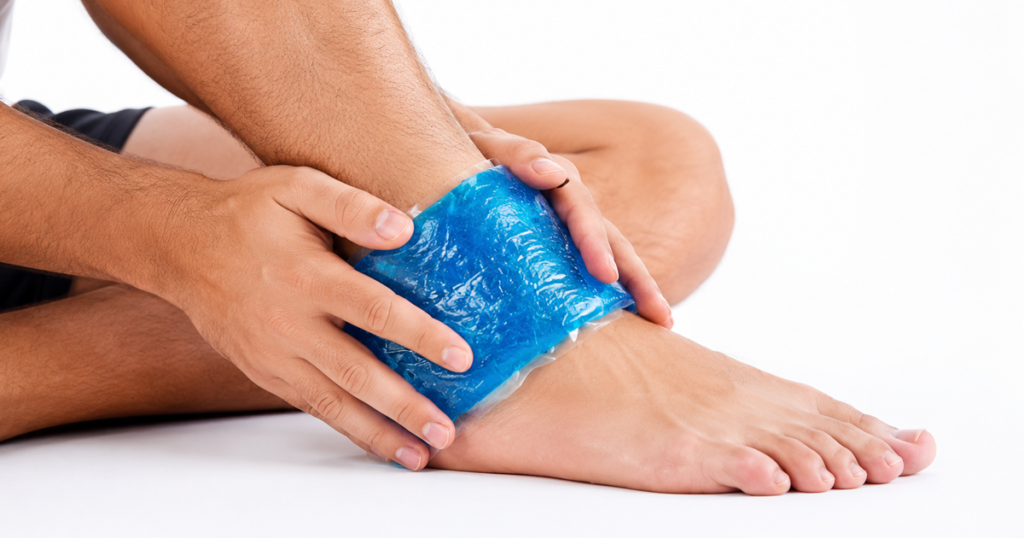
Soft tissue injuries affect muscles, ligaments, tendons, and connective tissues throughout the body. These injuries frequently occur after accidents, sports activities, repetitive movement, or sudden physical trauma. Depending on the severity, patients may experience pain, swelling, bruising, stiffness, and reduced mobility.
Early diagnosis and proper treatment are important for preventing complications and improving recovery outcomes. In trauma-related situations, professional Altus ER Lumberton, TX can also help patients receive fast medical evaluation and treatment for associated injuries.
Key Takeaways
- Soft tissue damage affects supportive body structures like muscles and ligaments, causing pain and limited motion.
- Injuries often result from trauma, overuse, sudden impact, or repetitive strain.
- Common signs include swelling, tenderness, bruising, and reduced strength.
- Doctors confirm diagnosis using physical exams and imaging tools.
- Care plans include medication, rest, therapy, and inflammation control.
- Healing duration varies from mild to severe cases, depending on damage level.
- Prevention relies on flexibility, proper posture, and safe activity habits.
- Medical attention is necessary if symptoms worsen or persist.
What Is a Soft Tissue Injury?
A soft tissue injury occurs when muscles, tendons, or ligaments become stretched, torn, bruised, or inflamed due to physical stress or sudden impact. These injuries can range from mild strains to severe tissue tears that limit normal movement. Symptoms may appear immediately after injury or develop gradually over time. For injuries involving severe pain or possible bone damage, urgent care for fractures can help ensure prompt evaluation and treatment.
Common Types of Soft Tissue Injury
Soft tissue injuries affect different connective tissues in the body and vary in severity depending on the force and location of injury.
- Sprains: Sprains occur when ligaments stretch or tear due to twisting injuries or falls. Ankles, knees, and wrists are the areas most commonly affected. Symptoms include swelling, pain, bruising, and joint instability.
- Strains: Strains affect muscles or tendons and are often caused by overuse, heavy lifting, or sudden movement. Muscle spasms, weakness, and stiffness are common symptoms. Back and hamstring strains are especially frequent.
- Contusions: Contusions, or bruises, develop when direct impact damages small blood vessels under the skin. This causes discoloration, tenderness, and swelling in the injured area. Severe bruising may also limit movement.
- Tendon Injuries: Tendon injuries affect tissues that connect muscles to bones and may occur from repetitive motion or sudden trauma. Symptoms often include pain, stiffness, and weakness. Without treatment, tendon damage may worsen over time.
- Whiplash Injuries: Whiplash commonly affects neck soft tissues after sudden forward and backward head movement during car accidents. It may cause headaches, dizziness, neck pain, and reduced mobility. Symptoms can last for days or even weeks.
Soft Tissue Injury Symptoms You Should Worry About
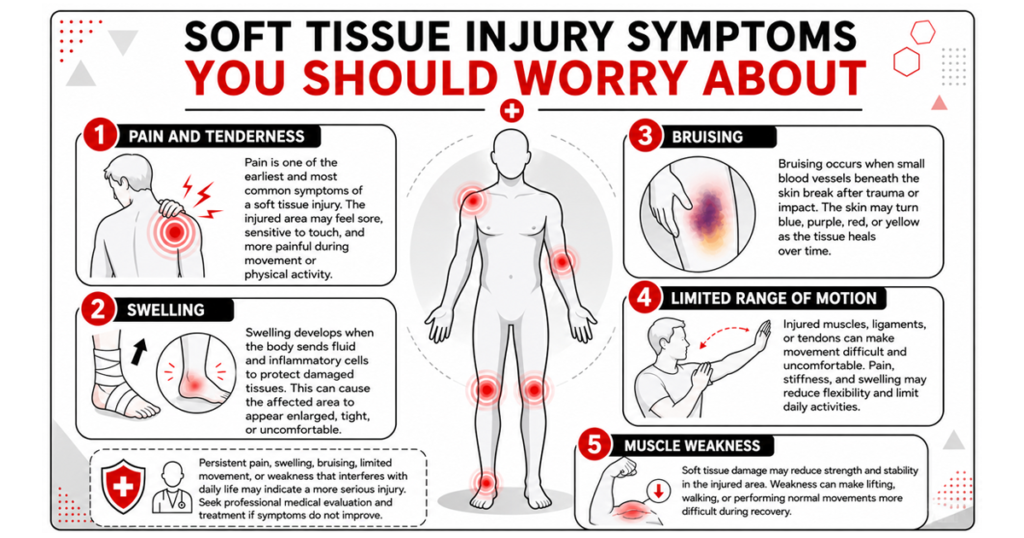
Soft tissue injury symptoms depend on the severity and location of tissue damage. Early recognition helps reduce complications and improve healing.
- Pain and Tenderness: Pain is one of the earliest and most common symptoms of a soft tissue injury. The injured area may feel sore, sensitive to touch, and more painful during movement or physical activity.
- Swelling: Swelling develops when the body sends fluid and inflammatory cells to protect damaged tissues. This can cause the affected area to appear enlarged, tight, or uncomfortable.
- Bruising: Bruising occurs when small blood vessels beneath the skin break after trauma or impact. The skin may turn blue, purple, red, or yellow as the tissue heals over time.
- Limited Range of Motion: Injured muscles, ligaments, or tendons can make movement difficult and uncomfortable. Pain, stiffness, and swelling may reduce flexibility and limit daily activities.
- Muscle Weakness: Soft tissue damage may reduce strength and stability in the injured area. Weakness can make lifting, walking, or performing normal movements more difficult during recovery.
If symptoms become severe, worsen over time, or significantly limit movement, seeking prompt medical attention is important. Visiting the nearest emergency room can help ensure an accurate diagnosis and timely treatment to prevent further complications.
Common Causes of Soft Tissue Injury
Soft tissue injuries commonly result from physical trauma, repetitive motion, or overexertion during daily activities.
- Car Accidents: Sudden impact can strain neck, shoulder, and back tissues.
- Sports Injuries: Physical sports activities may overstretch or tear muscles and ligaments.
- Falls and Slips: Sudden falls can cause sprains, strains, or bruises.
- Overuse Injuries: Repetitive movement gradually damages muscles and tendons.
- Heavy Lifting: Incorrect lifting technique places excessive strain on soft tissues.
How Soft Tissue Injuries Are Diagnosed
Doctors diagnose soft tissue injuries through physical examination and medical imaging. Proper evaluation helps determine the severity of tissue damage.
- Physical Examination: Doctors assess swelling, tenderness, and movement limitations.
- Medical History Review: Symptoms and accident details are carefully reviewed.
- Imaging Tests: MRI or ultrasound may identify ligament, tendon, or muscle injuries.
- Functional Assessment: Movement tests evaluate flexibility and strength limitations.
- Severity Classification: Injuries are categorized as mild, moderate, or severe.
How to Treat Soft Tissue Injury
Treatment for soft tissue injuries depends on how severe the damage is and which tissues are affected. The main goals are to reduce pain, control inflammation, and restore normal movement safely.
Medicine for Soft Tissue Injury
Pain-relieving and anti-inflammatory medications are commonly used to manage swelling, pain, and discomfort caused by soft tissue injuries. Over-the-counter medicines such as ibuprofen or acetaminophen may help improve mobility and reduce inflammation during recovery. In more severe cases, doctors may prescribe stronger medications or muscle relaxants to control spasms and stiffness. Topical creams and gels may also provide targeted pain relief directly to the injured area.
Rest and Activity Modification
Rest is essential for allowing damaged muscles, tendons, and ligaments to recover without additional stress or strain. Avoiding strenuous movement and repetitive activities helps prevent worsening of the injury and reduces inflammation. Patients are often advised to gradually return to normal activities once pain and swelling begin to improve. Proper rest also lowers the risk of re-injury during the healing process.
Ice Therapy
Ice therapy is commonly used during the early stages of injury to reduce swelling, inflammation, and pain in the affected tissues. Applying ice helps slow blood flow to the area and minimizes tissue irritation after trauma. Short and repeated ice applications are usually recommended for the best recovery outcomes. Ice therapy may also help improve comfort and mobility during healing.
Compression and Elevation
Compression helps reduce swelling by applying gentle pressure to the injured area through wraps, braces, or bandages. Elevating the affected body part above heart level improves circulation and decreases fluid buildup in damaged tissues. These methods are often used together to support healing and minimize discomfort after injury. Proper compression and elevation may also improve mobility during recovery.
Physical Therapy
Physical therapy helps restore strength, flexibility, balance, and normal movement after a soft tissue injury. Guided rehabilitation exercises improve muscle support, joint stability, and range of motion over time. Therapy also helps reduce stiffness and improve long-term recovery outcomes for patients with moderate or severe injuries. Consistent physical therapy can lower the risk of future soft tissue injuries and improve overall mobility.
If symptoms persist, worsen, or interfere with daily activities despite treatment, seeking prompt medical evaluation is important. A visit to a 24/7 emergency room can help identify more serious injuries and ensure appropriate care is provided without delay.
How Long Does a Soft Tissue Injury Take to Heal
Recovery time varies depending on injury severity and treatment consistency.
- Mild Injuries: Minor strains and sprains may heal within a few days to a couple of weeks with rest, ice, and basic home care.
- Moderate Injuries: Moderate tissue damage may take several weeks to a few months and often requires rehabilitation to restore strength and movement.
- Severe Injuries: Torn ligaments or tendons may need surgery and long-term therapy, with recovery taking several months or longer.
How to Prevent Soft Tissue Injury
Preventing soft tissue injuries focuses on reducing strain on muscles, ligaments, and tendons while maintaining proper movement habits during daily activities and exercise. Using correct techniques and preparing the body before physical activity can significantly lower the risk of injury and long-term damage.
- Warm Up Before Activity: Proper warm-up exercises and stretching help prepare muscles for movement, improve blood flow, and reduce the risk of sudden strains or tears.
- Use Proper Lifting Techniques: Maintaining correct posture while lifting objects reduces unnecessary pressure on the back and muscles, helping prevent injury.
- Maintain Flexibility: Regular stretching keeps muscles and tendons flexible, improving movement and reducing stiffness during physical activity.
- Wear Protective Gear: Supportive equipment such as braces, footwear, or sports gear helps absorb impact and protect vulnerable areas.
- Avoid Overuse: Taking regular breaks during repetitive tasks prevents muscle fatigue and reduces the chance of overuse injuries.
When to See a Doctor for a Soft Tissue Injury
Medical evaluation is important if pain, swelling, or limited movement becomes severe or persistent.
- Severe Pain: Ongoing pain may indicate serious tissue damage.
- Significant Swelling: Excessive swelling can suggest internal injury.
- Limited Mobility: Difficulty moving joints requires medical evaluation.
- Visible Deformity: Abnormal appearance may indicate tissue tears.
- Persistent Symptoms: Symptoms lasting several days should be examined professionally.
Treatment for Soft Tissue at Altus Emergency Centers
Soft tissue injuries require quick medical attention to reduce pain, swelling, and prevent further complications. At Altus Emergency Centers, patients receive prompt evaluation and advanced diagnostic support to accurately identify the extent of muscle, ligament, or tendon damage.
Treatment may include pain management, anti-inflammatory care, and injury stabilization to support faster healing. Imaging services such as X-rays or other advanced scans help rule out serious underlying injuries. Altus Emergency Centers provides comprehensive and timely emergency care to ensure patients receive effective treatment and recovery support.