 Skip to content
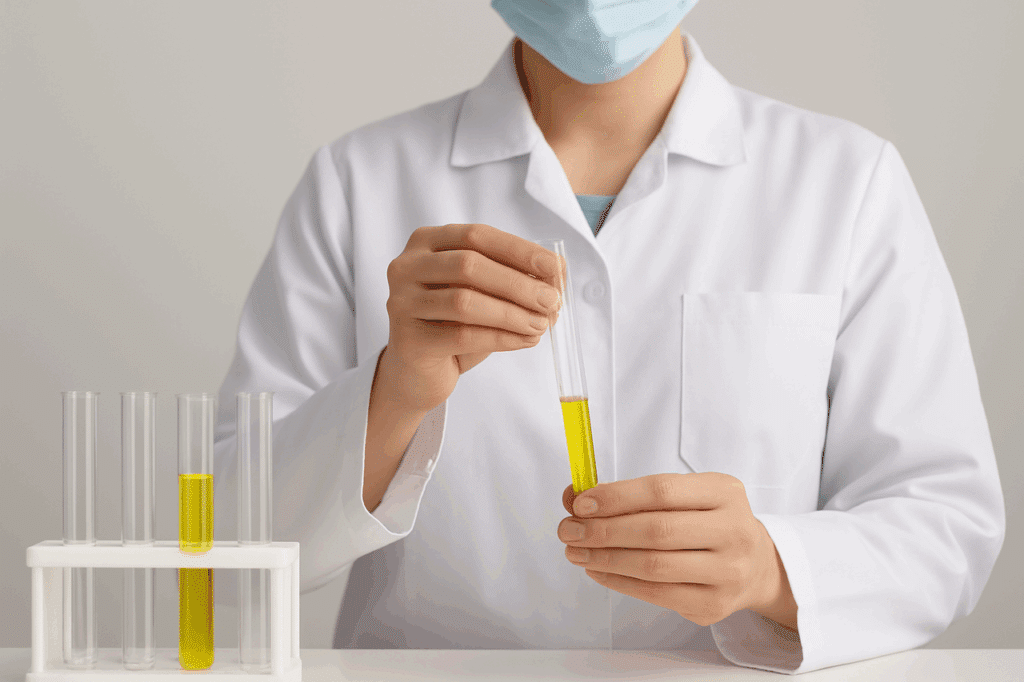
At Altus Emergency Center, we know how vital accurate drug testing is for both workplaces and individuals. That’s why our facilities are equipped with on-site labs, ensuring that tests are handled quickly, securely, and with the highest standards of accuracy. One of the most common screenings used today is the 5-panel urine drug test, but many wonder: Can this test detect fake urine? Let’s break it down.
What is a 5-Panel Urine Test?
The 5-panel urine drug test screens for five of the most frequently misused substances that can affect health and safety:
- Marijuana (THC)
- Cocaine
- Amphetamines
- Opiates
- Phencyclidine (PCP)
These tests don’t just detect the drugs themselves but their metabolites, the unique waste products your body produces after breaking down these substances.
How Does a 5-Panel Drug Test Work?
A 5-panel urine drug test is carefully designed to provide accurate and fair results. To ensure reliability, the process involves several steps that minimize errors and prevent tampering. Here’s how it typically works:
1. Sample Collection
The first step is the collection of a urine sample. This is usually done in a secure and private environment to maintain dignity while also ensuring integrity. To prevent tampering or substitution:
- The collection area may be monitored or restricted.
- The sample container is sealed and labeled immediately.
- Sometimes, temperature strips are attached to the container to check that the urine is fresh and within the natural range of 90–100°F.
2. Initial Screening
Once collected, the sample undergoes an immunoassay test, which acts as the first filter for drug detection. This method uses antibodies that react to specific drug metabolites. If a metabolite is present in the urine, the test produces a signal indicating possible drug use.
- This step is fast and cost-effective, allowing labs to quickly check for the five most commonly misused drugs (THC, cocaine, amphetamines, opiates, PCP).
- However, since immunoassays can sometimes produce false positives, the process does not end here.
3. Confirmation Testing
If the initial screening suggests the presence of drugs, the sample is subjected to confirmation testing using more advanced and highly accurate methods such as Gas Chromatography-Mass Spectrometry (GC-MS) or Liquid Chromatography-Tandem Mass Spectrometry (LC-MS/MS).
- These methods separate the components of the urine and precisely identify the drug metabolites present.
- They virtually eliminate false positives, ensuring that only confirmed results are reported.
- This step provides legal and medical certainty, which is why confirmed results are admissible in court and trusted by employers.
4. Result Reporting
After confirmation, the results are compiled into a final report. Depending on who requested the test, the results are sent securely to:
- An employer (for workplace testing)
- A physician (for medical evaluation)
- A legal authority (for court or probation requirements)
Can a 5-Panel Drug Test Detect Fake Urine?
Yes, it can. When conducted in a certified laboratory, a 5-panel drug test is designed to catch not only the presence of drugs but also to verify that the urine sample is real. Labs use advanced checks like temperature measurement, creatinine levels, pH balance, and specific gravity to confirm authenticity. Even though synthetic urine is made to look like real urine, it often fails these detailed validity tests. The more sophisticated the lab’s technology and procedures, the higher the chance of detecting fake samples. However, the effectiveness can vary depending on how advanced the synthetic urine is and the expertise of the lab conducting the test.
What is Fake Urine?
Fake urine, also known as synthetic urine, is a lab-made liquid designed to closely resemble real human urine. It often contains key components such as urea, uric acid, creatinine, salts, and a carefully adjusted pH level to make it look and behave like natural urine. Some products are even sold with heating pads or temperature strips so that they mimic the warmth of freshly produced urine. While these kits may sometimes pass a quick at-home drug test, professional laboratories use advanced methods to analyze multiple markers of authenticity.
How Do Labs Detect Fake Urine?
Modern testing labs use multiple strategies to identify synthetic or tampered samples:
- Temperature Checks: Fresh urine is naturally 90–100°F. Samples outside this range raise suspicion.
- Visual Inspection: Color, clarity, and even odor can indicate abnormalities.
- Creatinine Testing: Too little creatinine suggests dilution or substitution.
- pH & Specific Gravity: Labs measure acidity and concentration to check authenticity.
- Adulterant Testing: Detects masking chemicals that signal tampering.
- Advanced Validity Testing: Some labs can even identify compounds unique to synthetic urine.
Challenges in Detecting Fake Urine
Despite advanced methods, some challenges remain:
- Improved Synthetic Products: Manufacturers continuously refine formulas to mimic real urine, making detection harder over time.
- Lab Resources: Not all labs are equipped with the most advanced validity testing tools, which can limit accuracy.
- Human Error: Mistakes during collection, labeling, or analysis can interfere with accurate results.
- Masking Agents: Some people add chemicals to urine samples to hide drug metabolites, which can sometimes interfere with basic testing methods.
- Delayed Testing: If samples are not tested quickly or stored properly, natural changes in the urine can complicate the distinction between real and synthetic samples.
Factors That Affect Detection
A variety of factors influence whether fake urine is detected:
- Quality of synthetic urine used
- Strictness of collection procedures
- Experience of the laboratory staff
- Temperature of the submitted sample
- Use of adulterants or masking agents
Risks of Using Fake Urine
Trying to cheat a drug test can cause serious problems, including:
- Legal Risks: May lead to fines, probation violations, or even criminal charges.
- Employment Risks: Can cause termination, job offer withdrawal, or career setbacks.
- Ethical Concerns: Undermines trust and threatens workplace safety.
- Financial Consequences: Lost income, retesting fees, or legal costs.
- Reputation Damage: Hurts personal integrity and professional credibility.
Safe Alternatives to Using Fake Urine
Instead of risking fake urine, consider these safer and healthier approaches:
- Natural Detoxification: Staying hydrated, exercising regularly, and eating a balanced, fiber-rich diet can help the body naturally flush out toxins over time. This method supports overall health while preparing for a drug test.
- Abstinence: The most reliable way to pass is to stop using drugs well before the test. Giving your body enough time allows it to fully clear out any substances and ensures accurate, worry-free results.
- Professional Help: If drug use is ongoing, seeking counseling, rehabilitation programs, or medical support can provide long-term solutions, helping individuals regain control and avoid repeated testing issues.
Altus Emergency Center: Trusted On-Site Drug Testing
At Altus Emergency Center, we are committed to providing accurate, confidential, and patient-focused drug testing. With our on-site labs, we ensure faster turnaround times, reliable results, and the highest standards of testing integrity.
Whether you need a 5-panel drug test for employment, medical, or legal reasons, you can rely on Altus Emergency Center for safe, professional, and trustworthy testing services.
