
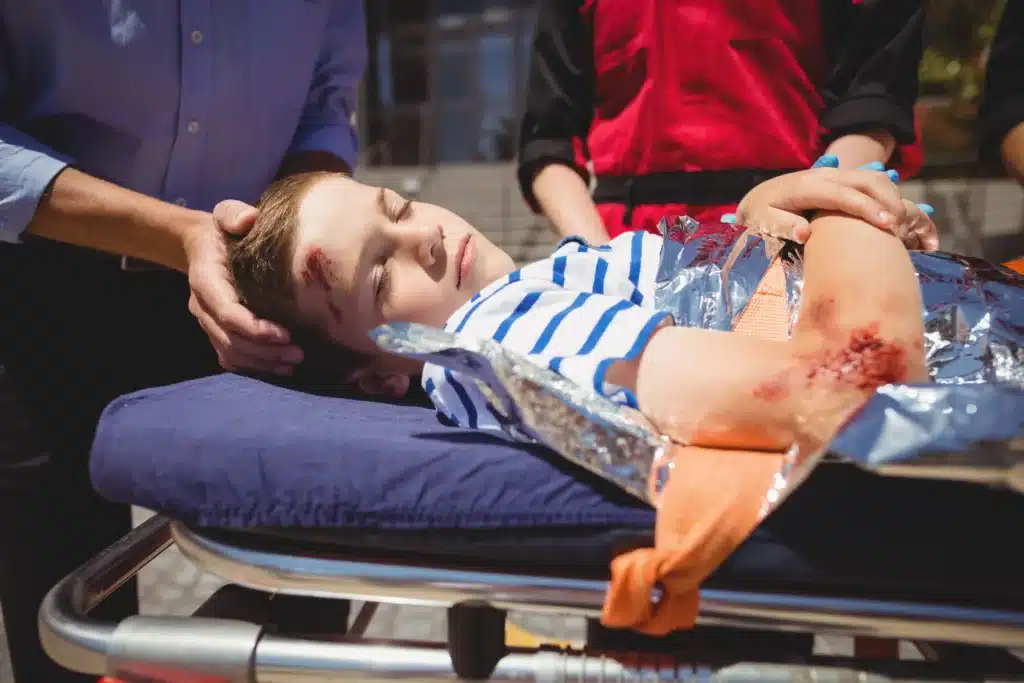
The start of a new school year brings excitement, routines, and unfortunately, a fresh wave of bumps, sniffles, and minor accidents. Between playground falls, sports practices, and classrooms full of shared germs, most back-to-school health issues resolve with a little rest and basic care at home. But some situations move beyond what home care or even urgent care can safely handle, and knowing the difference can make all the difference for your child’s health.
This guide walks through the most common back-to-school injuries and illnesses parents encounter, from fevers to sports injuries to head bumps, and breaks down exactly when it is time to head to the emergency room at Altus Emergency Center rather than waiting it out.
Fever: When Is It Concerning Enough to Seek Emergency Care?
Fevers are one of the most common reasons kids miss school, and most are the body’s normal response to a passing viral infection. According to the CDC, most childhood fevers can be managed at home with rest, fluids, and appropriate fever reducers, but certain fever patterns and accompanying symptoms warrant emergency evaluation.
- A fever above 104 degrees Fahrenheit in a child of any age that is not responding to fever-reducing medication
- Any fever in an infant under three months of age, since even a mild fever at this age requires immediate medical evaluation
- A fever lasting more than three days without improvement or one that returns repeatedly after initially breaking
- A fever accompanied by a stiff neck, severe headache, difficulty breathing, or a rash that does not fade when pressed
- Lethargy, confusion, or difficulty waking your child, which can signal that something more serious is happening
Our guide on how long a fever typically lasts breaks down what counts as a normal recovery timeline versus one that needs closer attention.
Sports Injuries: Sprain vs. Possible Fracture and When Imaging May Be Needed
Fall sports season means a spike in twisted ankles, jammed fingers, and collision injuries on the field. Telling a sprain apart from a fracture is not always obvious, and that uncertainty is exactly why imaging matters.
- Swelling and bruising that develop rapidly and are accompanied by an inability to bear any weight on the injured limb
- Visible deformity, or a limb that looks bent, shortened, or out of its normal alignment following the injury
- Pain that is sharply localized to one point on a bone rather than spread across a joint, which is a common sign of a fracture rather than a sprain
- Numbness, tingling, or a cold sensation below the injury site, which can indicate nerve or blood vessel involvement requiring urgent attention
- Any injury where a bone has broken through the skin, which is always a true emergency requiring immediate ER care
Our on-site imaging, including CT and X-ray services, allows us to confirm a diagnosis quickly so your child gets the right treatment without unnecessary delay. For more on identifying a break, see our guide on the signs of a broken bone.
Cuts: When Does a Cut Need Stitches?
Scrapes and small cuts are a normal part of active kids being active kids, but certain wounds need more than a bandage and some antiseptic at home.
- The cut is deep enough that you can see fat, muscle, or bone beneath the skin
- Bleeding continues heavily or has not slowed after five to ten minutes of firm, direct pressure
- The wound has jagged or gaping edges that will not stay closed on their own
- The cut occurred near the eye, involves the face, or affects a joint where movement will pull the wound open
- There are signs of infection developing in an existing wound, including increasing redness, warmth, swelling, or drainage
Our detailed guide on when a cut needs stitches covers exactly what to look for before deciding between home care and a trip to the ER.
Falls & Head Injuries: What Symptoms Should Parents Watch For?
Falls on the playground or during PE class are common, and most result in nothing more than a bruise. Head injuries deserve extra caution, since symptoms are not always obvious right away.
- Loss of consciousness at any point following the fall, even briefly
- Repeated vomiting, worsening headache, or increasing confusion in the hours after the injury
- Unequal pupil size, slurred speech, or noticeable difficulty with balance and coordination
- Any seizure activity following the impact, which always requires immediate emergency evaluation
- A child who seems increasingly drowsy or difficult to wake up as time passes after the fall
Our guides on head injury symptoms that need the ER and concussions in youth sports go into more detail on monitoring a child after any blow to the head.
Illness: When Symptoms Like Flu, Viruses, or Ear Infections Warrant Medical Attention
Classrooms are efficient at spreading germs, and flu, colds, and ear infections tend to circulate heavily once school is back in session.
- Difficulty breathing, rapid breathing, or visible chest retractions with each breath
- Ear pain severe enough to cause constant crying or that is accompanied by fluid draining from the ear
- Persistent vomiting or diarrhea that is leading to signs of dehydration, including reduced urination and extreme fatigue
- Eye discharge, swelling, or redness that is worsening rather than improving after a day or two
- Symptoms that improve initially but then suddenly worsen again, which can indicate a secondary infection
For specific guidance, our posts on ear infections in toddlers and pink eye in kids help parents recognize when a common illness has crossed into something that needs prompt care.
What to Expect When You Visit an Emergency Center
Walking into an ER with a worried child is stressful enough without wondering what happens next. At Altus Emergency Center, our process is designed to be fast, thorough, and reassuring for the whole family.
- On-site X-ray and CT imaging allow us to evaluate fractures, head injuries, and internal concerns without sending you elsewhere
- Full lab testing helps quickly identify infections, dehydration, or other underlying causes behind your child’s symptoms
- Board-certified physicians and pediatric-experienced staff are available around the clock with no scheduled appointment needed
- Wound care and stitching are handled on-site for cuts and lacerations requiring closure
- Clear communication throughout your visit ensures you understand every step of your child’s diagnosis and treatment plan
Back-to-School Care at Altus Emergency Center
Whether it is a fever that will not break, a sports injury that needs imaging, a cut that will not stop bleeding, or a fall that has you worried, Altus Emergency Center is here around the clock with no wait times and board-certified physicians ready to help. We provide complete on-site diagnostics, from X-rays to lab testing, so your child gets answers and treatment fast. Do not wait to have your child’s symptoms checked. Visit Altus Emergency Center today for the prompt, expert care your family deserves this school year.