
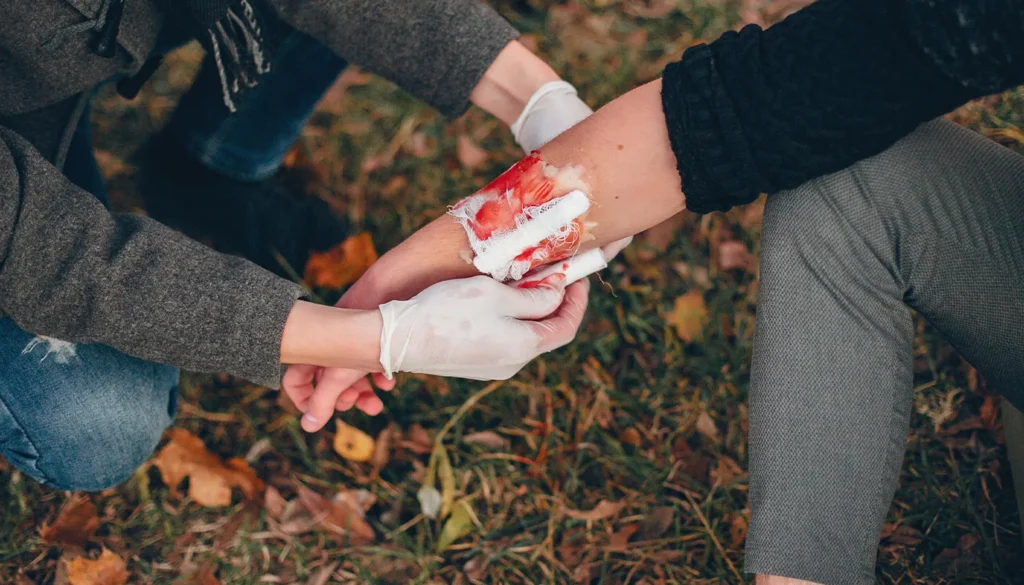
Halloween is a night of costumes, candy, decorations, and excitement, but the same activities that make the holiday fun can also lead to unexpected injuries. Trips caused by poorly fitted costumes, pedestrian accidents, pumpkin-carving cuts, burns, and allergic reactions can sometimes require more than basic first aid at home.
A little preparation can reduce many Halloween hazards, but not every injury is minor. This guide covers practical Halloween safety tips, what to watch for after a Halloween accident, and when a serious injury or sudden medical problem needs emergency evaluation at Altus Emergency Centers.
Costume Safety: Could It Cause an Injury?
A costume should allow children to see clearly, walk normally, and move without getting caught on objects or other people. As Halloween gets darker, visibility becomes especially important for children walking near roads, driveways, and parking areas.
- Choose costumes that fit properly and do not drag on the ground or create a tripping hazard.
- Avoid masks or accessories that block peripheral vision or make it difficult to see approaching vehicles.
- Use reflective tape, glow sticks, or a flashlight to help children remain visible after dark.
- Keep costume accessories lightweight and avoid sharp or pointed objects that could cause an injury during play.
- Make sure shoes fit securely and are appropriate for walking on uneven sidewalks, grass, and driveways.
A fall can result in anything from a minor bruise to a more significant injury involving the muscles, ligaments, or other soft tissues. Significant swelling, severe pain, or difficulty using the injured area may warrant medical evaluation.
Trick-or-Treating: How Can Kids Stay Safe?
A CDC study indexed in PubMed found that pedestrian deaths among children ages 5–14 were four times higher on Halloween evenings than on other evenings. The study also reported that pedestrian deaths accounted for approximately 15% of motor-vehicle-related deaths among children ages 0–19 in 1995. These findings highlight the importance of visibility and traffic awareness after dark.
- Use sidewalks whenever they are available and cross streets at designated crosswalks.
- Stay in familiar, well-lit areas rather than taking shortcuts through dark yards or unfamiliar locations.
- Look carefully for vehicles before crossing driveways, intersections, and parking areas.
- Keep children from running into the street or darting between parked vehicles.
- Drivers should slow down in residential areas, watch carefully for pedestrians, and expect children to be out after dark.
For additional guidance, review these trick-or-treating safety tips before heading out for the evening.
A vehicle-related accident or serious fall can cause injuries that are not immediately obvious. Severe pain, loss of consciousness, difficulty breathing, heavy bleeding, or an obvious deformity after an accident should be treated as an emergency.
Pumpkin Carving: What Injuries Should You Watch For?
Pumpkin carving combines sharp tools with an activity that often involves excited children. Young children should not handle carving knives, and adults should remain involved even when using tools designed specifically for pumpkins.
- Have an adult handle sharp carving tools and supervise children throughout the activity.
- Place the pumpkin on a stable, non-slip surface before cutting.
- Consider letting younger children decorate pumpkins with markers, stickers, or other age-appropriate materials instead of carving them.
- Keep knives and other sharp tools stored safely when they are not being used.
- Use battery-operated candles or lights instead of open flames inside pumpkins.
Our Halloween pumpkin carving safety tips provide additional ways to reduce the risk of cuts and other carving-related injuries.
If a carving injury causes heavy bleeding, a deep or gaping wound, numbness, loss of movement, or visible damage to deeper tissue, seek emergency medical care. Burns involving the face, hands, genitals, major joints, or a large area of skin may also require prompt evaluation.
Halloween Candy: When Is an Allergy an Emergency?
Candy should be checked before children begin eating it, particularly when a child has a known food allergy. An unopened package does not guarantee that a food is safe for every child, so parents should read ingredient labels and know which foods their child must avoid.
- Throw away treats with opened, torn, or damaged packaging.
- Check ingredient labels for known allergens before allowing a child to eat unfamiliar candy.
- Keep candy containing known allergens away from children with food allergies.
- Consider choking risks when giving hard, sticky, or unusually shaped candy to younger children.
- Watch closely for symptoms after eating a food that may contain an allergen.
The most common food allergies include several ingredients frequently found in packaged foods and treats, making label checking especially important. You can review these common food allergies for additional information.
A mild rash or localized itching may not require emergency treatment, but symptoms can escalate quickly. Swelling of the lips, tongue, or throat, trouble breathing, wheezing, repeated vomiting, dizziness, fainting, or signs of shock can indicate a severe allergic reaction. Call 911 immediately for suspected anaphylaxis.
Halloween Injuries: When Should You Seek Care?
Most minor Halloween scrapes and bruises can be managed with basic first aid, but some injuries need professional evaluation. The severity, location, amount of bleeding, and symptoms that develop afterward can help determine whether emergency care is appropriate.
Seek emergency medical attention for:
- Bleeding that is heavy or does not stop after firm, continuous pressure.
- A deep, gaping, or contaminated wound that may require professional cleaning or closure.
- A suspected fracture, especially when there is severe pain, significant swelling, deformity, or inability to use the injured limb normally.
- A head injury followed by loss of consciousness, repeated vomiting, worsening headache, seizure activity, confusion, or difficulty waking.
- A serious burn, particularly one involving the face, hands, major joints, or a large area of the body.
- Difficulty breathing, fainting, severe weakness, or other symptoms suggesting a life-threatening emergency.
For more guidance on when cuts and scrapes need emergency care, it is important to consider more than the size of the wound. Deep tissue damage, uncontrolled bleeding, or injuries involving sensitive areas can require prompt treatment.
For burns caused by candles, decorations, or other heat sources, these burn and scald prevention tips can help reduce preventable injuries.
Call 911 immediately for life-threatening bleeding, severe breathing difficulty, loss of consciousness, signs of shock, or a severe allergic reaction. Do not drive someone yourself if their condition is unstable or rapidly worsening.
What Happens During Your Visit to Altus Emergency Centers?
A Halloween injury can be stressful, especially when you are unsure how serious it is. At an emergency center, the medical team first evaluates the injury or symptoms and determines whether imaging, laboratory testing, wound care, or other treatment is needed.
Depending on the situation, emergency care may include:
- Evaluation of injuries such as deep cuts, suspected fractures, burns, and head injuries.
- Diagnostic imaging when a fracture or other internal injury is suspected.
- Wound cleaning, bleeding control, and closure when medically appropriate.
- Evaluation of sudden symptoms such as breathing difficulty or a severe allergic reaction.
- Monitoring and treatment when symptoms could indicate a more serious medical problem.
Emergency care is not limited to injuries that are visibly severe. A child who becomes confused after a fall, develops breathing difficulty after eating a food allergen, or experiences another sudden change in condition may need prompt medical assessment even when the original incident seemed minor.
What Are the Key Halloween Safety Tips?
- Choose costumes that fit properly, allow clear vision, and include reflective or light-up elements for better visibility after dark.
- Supervise younger children while trick-or-treating and stay alert around roads, driveways, intersections, and moving vehicles.
- Adults should handle pumpkin-carving knives, while younger children can use safer decorating alternatives.
- Check candy packaging and ingredient labels, especially for children with known food allergies.
- Heavy bleeding, deep wounds, suspected fractures, serious burns, head-injury warning signs, and severe allergic reactions can require emergency care.
- Call 911 immediately for life-threatening bleeding, severe breathing difficulty, loss of consciousness, signs of shock, or suspected anaphylaxis.
- Altus Emergency Centers provides 24/7 emergency care when a Halloween injury or sudden medical problem cannot safely wait for routine care.
Halloween Emergency Care at Altus Emergency Centers
Halloween should be memorable for the right reasons, but accidents and sudden medical problems can happen despite careful planning. If your child or another family member develops a serious injury, uncontrolled bleeding, breathing difficulty, a severe allergic reaction, or concerning symptoms after an accident, do not delay emergency evaluation.
Altus Emergency Centers provides 24/7 emergency care for injuries and acute medical conditions when immediate evaluation is needed. For life-threatening emergencies, call 911. For serious injuries or concerning symptoms that require emergency assessment, seek care without unnecessary delay.