
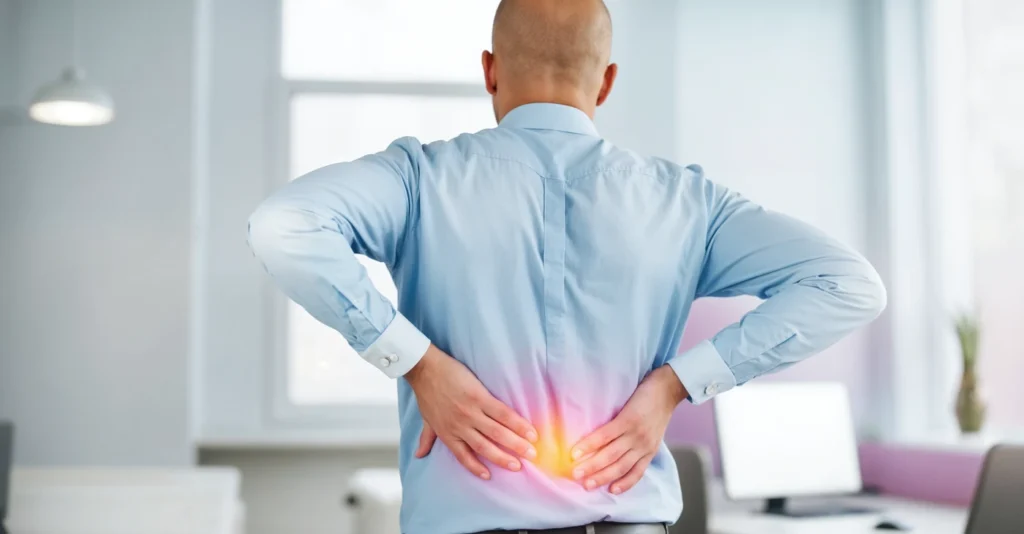
Lower back pain is one of the most widespread health issues globally, affecting people across all ages and lifestyles. If you’ve ever asked What Causes Lower Back Pain, the reasons can range from simple muscle strain to complex spinal conditions. Identifying the root cause is key to proper treatment and long-term relief. Early evaluation also helps prevent chronic pain and mobility limitations.
Back discomfort can interfere with work, sleep, and everyday activities. At our emergency room Waxahachie, TX, patients receive prompt assessment when pain is severe, sudden, or accompanied by concerning symptoms. Understanding when lower back pain is routine versus when it requires urgent attention is crucial for protecting spinal health and overall well-being.
What Is Lower Back Pain?
Lower back pain is discomfort or stiffness in the lumbar spine, the area between the ribs and pelvis that bears much of the body’s weight. It may stem from muscles, ligaments, spinal discs, nerves, or vertebrae. Pain can be acute (less than 4 weeks) or chronic (lasting more than 12 weeks). According to the National Institutes of Health, about 80% of adults experience lower back pain at some point in their lives.
Lower Back Pain Symptoms
- Dull, aching pain in the lower back.
- Sharp or stabbing pain with movement.
- Muscle tightness or spasms.
- Pain that radiates into the buttocks or legs.
- Limited flexibility or range of motion.
- Numbness or tingling in the legs.
Lower Back Pain Causes
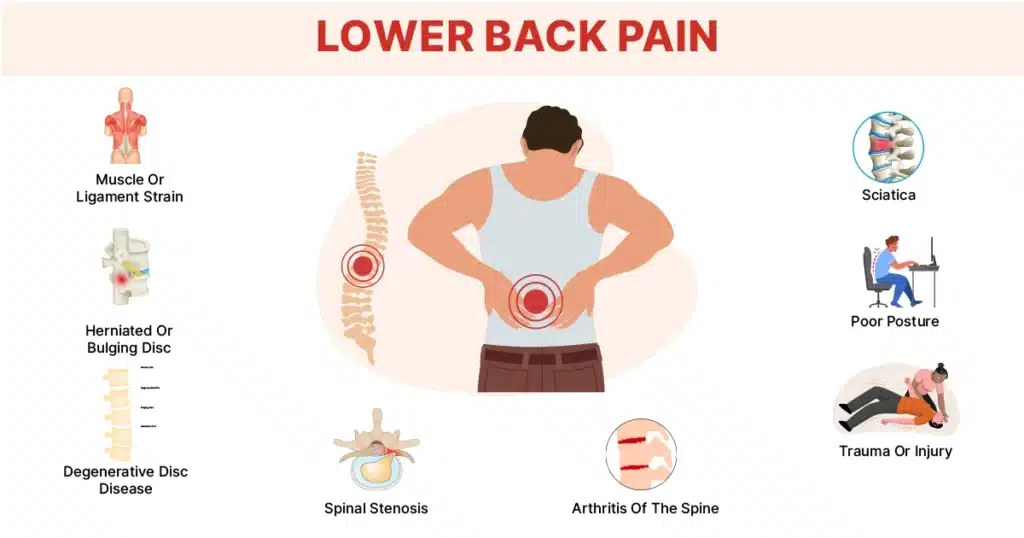
Lower back pain can arise from structural, mechanical, inflammatory, or nerve-related issues. Pain may appear suddenly after lifting or twisting, or develop gradually from wear and tear over time. Proper diagnosis is essential to determine treatment and prevent further complications.
1. Muscle Or Ligament Strain
Muscle or ligament strain is among the most common reasons for lower back pain. It often results from heavy lifting, sudden awkward movements, or prolonged poor posture. Repetitive strain can create tiny tears in soft tissue, causing inflammation and discomfort. Athletes and individuals with physically demanding jobs are especially prone.
Symptoms
- Localized tenderness in the lower back.
- Increased pain with movement.
- Muscle spasms.
- Stiffness after rest.
2. Herniated Or Bulging Disc
A herniated or bulging disc occurs when the soft inner material of a spinal disc pushes outward, irritating nearby nerves. This can develop with aging or after sudden strain. Patients often experience both localized back pain and radiating nerve pain.
Symptoms
- Sharp pain in the lower back.
- Pain radiating down one leg (sciatica).
- Numbness or tingling.
- Muscle weakness.
3. Degenerative Disc Disease
Degenerative disc disease develops when spinal discs lose hydration and elasticity over time. Reduced cushioning between vertebrae leads to inflammation and instability. Pain may worsen with prolonged sitting or bending. This condition is common in older adults but can affect younger individuals, too.
Symptoms
- Chronic low back pain.
- Pain worsens with sitting.
- Relief when lying down.
- Intermittent flare-ups.
4. Spinal Stenosis
Spinal stenosis is the narrowing of the spinal canal, putting pressure on the spinal cord or nerves. Age and arthritis are common contributors. Narrowed space in the spine can cause nerve irritation and mobility issues, often worsening with walking or standing. It can also lead to numbness, tingling, or weakness in the legs, making daily activities challenging.
Symptoms
- Pain when standing or walking.
- Numbness in the legs.
- Weakness in the lower extremities.
- Relief when bending forward.
5. Arthritis Of The Spine
Osteoarthritis can affect the joints in the lower spine, causing cartilage breakdown and inflammation. Bone spurs may develop, contributing to stiffness and discomfort. This condition can also lead to reduced mobility and difficulty performing daily activities. Early management reduces progression and improves quality of life.
Symptoms
- Morning stiffness.
- Localized back pain.
- Reduced flexibility.
- Swelling or tenderness.
6. Sciatica
Sciatica occurs when the sciatic nerve, the largest nerve in the body, is irritated or compressed, often from a herniated disc or spinal narrowing. Pain travels from the lower back into the buttocks and down one leg, ranging from mild discomfort to severe, shooting pain. It can also cause numbness, tingling, or weakness in the affected leg.
Symptoms
- Radiating leg pain.
- Burning sensation.
- Tingling or numbness.
- Leg weakness.
7. Poor Posture
Chronic poor posture places extra strain on spinal muscles and ligaments. Slouching or prolonged sitting shifts weight distribution, causing muscle fatigue and pain. Over time, this can also lead to misalignment of the spine and increased risk of chronic lower back problems. Ergonomic adjustments help reduce symptoms and prevent recurrence.
Symptoms
- Aching after prolonged sitting.
- Muscle tightness.
- Gradual onset pain.
- Fatigue in lower back muscles.
8. Trauma Or Injury
Falls, car accidents, or sports injuries can damage vertebrae, discs, or soft tissues. Severe cases may involve fractures or dislocations. Prompt medical evaluation is critical to avoid long-term complications.
Symptoms
- Sudden severe pain.
- Swelling or bruising.
- Difficulty moving.
- Pain after an accident.
Also Read: How To Treat Upper Back Pain
Is Lower Back Pain Dangerous?
Lower back pain is usually not dangerous, but certain symptoms may indicate a serious underlying condition. Most cases improve with conservative care, yet persistent or severe pain should not be ignored. Infections, fractures, or nerve compression require timely evaluation to prevent permanent damage.
- Loss of bladder or bowel control.
- Severe weakness in the legs.
- Fever with back pain.
- Pain after significant trauma.
- Unexplained weight loss.
If you experience any of these symptoms, contact the Altus Emergency Centers immediately for urgent medical evaluation.
How To Relieve Lower Back Pain
Relief begins with identifying causes and modifying habits that contribute to strain. Rest, activity adjustments, and supportive measures often help. Persistent discomfort should be medically evaluated to rule out structural problems. Prompt care improves recovery and prevents chronic pain.
- Over-The-Counter Pain Relievers: NSAIDs like ibuprofen or naproxen reduce inflammation and pain; most doctors recommend short-term use as directed.
- Muscle Relaxants: Prescription medications help with severe muscle spasms; most doctors recommend short-term use.
- Physical Therapy: Guided exercises strengthen core muscles and improve posture to prevent recurrence.
- Hot And Cold Therapy: Ice relieves inflammation during acute injury, while heat relaxes tight muscles.
- Epidural Steroid Injections: Reduce inflammation around irritated nerves in persistent cases.
- Surgical Intervention: Reserved for severe structural issues when conservative treatment fails.
- Lifestyle Modifications: Weight management and ergonomic adjustments reduce lumbar strain
Exercises For Lower Back Pain
Exercise strengthens supportive muscles and improves spinal stability. Gentle movements enhance flexibility and reduce stiffness without overloading the spine. A consistent routine lowers the risk of future flare-ups. Stop exercising if pain worsens.
- Pelvic Tilts: Strengthens abdominal muscles and supports the lower spine, improving posture.
- Knee-To-Chest Stretch: Relieves tension in lower back and gluteal muscles while promoting flexibility.
- Cat-Cow Stretch: Encourages spinal mobility and reduces stiffness through controlled flexion and extension.
- Bird Dog Exercise: Strengthens core and back muscles while improving balance and stability.
- Partial Crunches: Builds abdominal strength without excessive lower back strain.
Altus Emergency Centers: Expert Emergency Care For Lower Back Pain
Lower back pain can sometimes signal a serious underlying condition that requires prompt attention. Understanding What Causes Lower Back Pain helps individuals identify red flags and seek timely evaluation before complications arise. Early intervention can protect spinal health, prevent chronic issues, and improve overall mobility.
At Altus Emergency Centers, our skilled medical team provides fast, comprehensive emergency care for severe or sudden lower back pain. We use advanced diagnostics to determine the cause and initiate appropriate treatment, ensuring patients receive rapid relief and safe, effective care.