
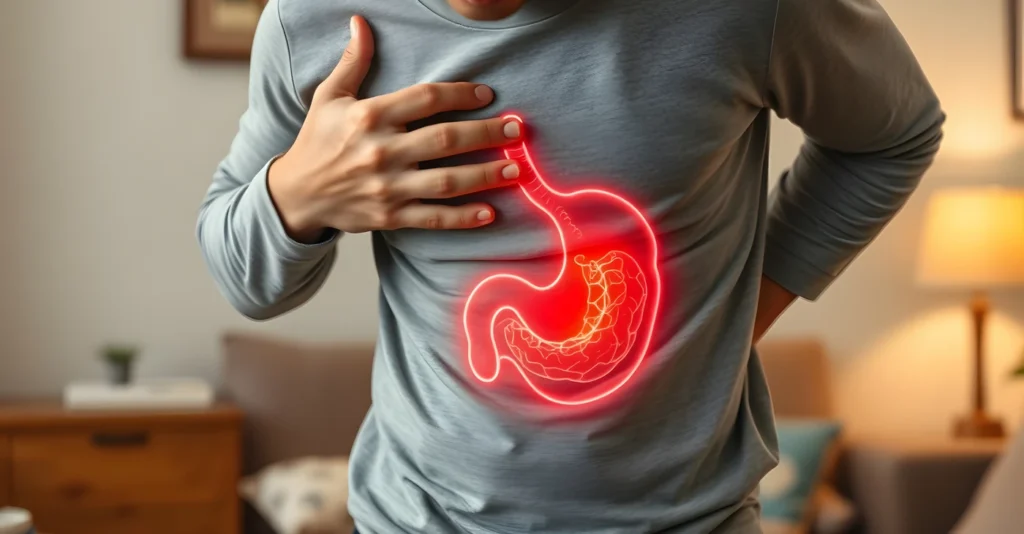
Acid reflux is a digestive condition where stomach acid flows backward into the esophagus. This happens when the lower esophageal sphincter (LES), the valve separating the stomach and esophagus, does not close properly or relaxes at inappropriate times. When this occurs, acid can irritate the esophageal lining, causing burning sensations, chest discomfort, regurgitation, and nausea.
While occasional reflux is common, frequent episodes may indicate gastroesophageal reflux disease (GERD), a chronic condition that can lead to esophageal inflammation and long-term complications. Understanding the underlying causes, symptoms, and treatment options is key to managing acid reflux effectively and preventing its escalation. In severe cases, prompt evaluation at the closest emergency room to me may be necessary to address complications and ensure proper care.
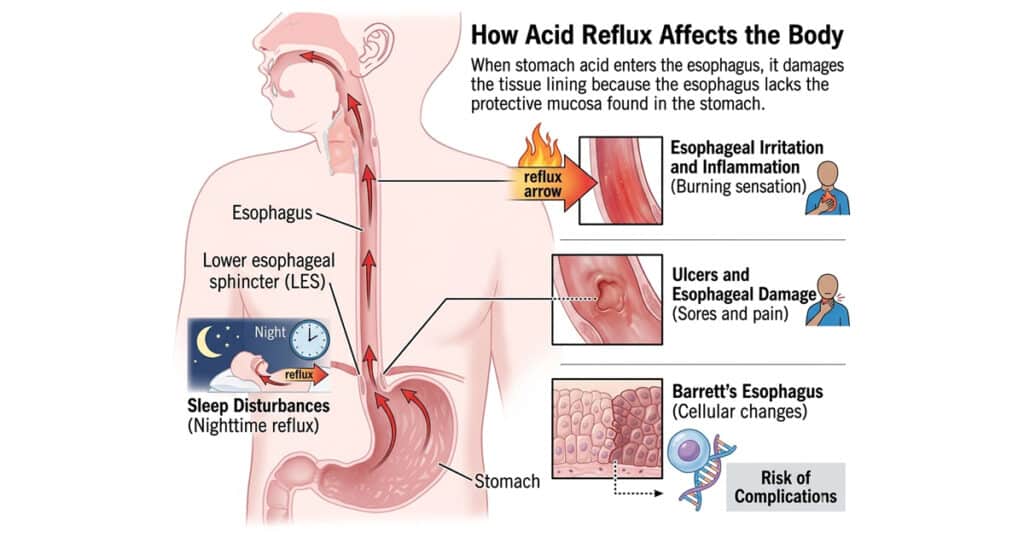
How Acid Reflux Affects the Body
When stomach acid enters the esophagus, it damages the tissue lining because the esophagus lacks the protective mucosa found in the stomach. Over time, frequent reflux can lead to:
- Esophageal Irritation and Inflammation: Continuous exposure to acid causes a burning sensation and discomfort.
- Ulcers and Esophageal Damage: Prolonged reflux can create sores or ulcers in the esophagus, causing pain and difficulty swallowing.
- Barrett’s Esophagus: Chronic reflux may trigger cellular changes in the esophagus, increasing the risk of complications.
- Sleep Disturbances: Nighttime reflux can interfere with rest, causing disrupted sleep and fatigue.
What does Acid Reflux Feel Like?
Most people with acid reflux experience a combination of symptoms that range in severity.
- Heartburn: A burning sensation behind the breastbone, often after eating.
- Regurgitation: Acid or food coming back into the mouth or throat.
- Sour or Bitter Taste: Acid moving upward may leave an unpleasant taste in the mouth.
- Nausea and Bloating: Slower stomach emptying can lead to nausea, bloating, or feeling of fullness.
- Difficulty Swallowing: Chronic inflammation can make swallowing uncomfortable.
- Hoarseness or Chronic Cough: Acid reaching the throat can affect the vocal cords and trigger a cough.
- Feeling of Food Stuck in Throat: Inflammation may cause a lump-like sensation.
Symptoms are often aggravated after large meals, lying down, or consuming certain trigger foods.
What Causes Acid Reflux?
Several factors can contribute to acid reflux by affecting LES function or increasing stomach pressure.
- Weak LES Muscle: A weakened LES is the primary factor, allowing acid to flow upward.
- Trigger Foods and Beverages: Spicy foods, fried foods, chocolate, caffeine, carbonated drinks, citrus fruits, and alcohol are common triggers.
- Overeating: Large meals increase intra-abdominal pressure, promoting reflux.
- Obesity and Abdominal Pressure: Excess weight in the abdomen pushes stomach contents upward.
- Pregnancy: Hormonal changes and abdominal pressure during pregnancy can increase reflux episodes.
- Hiatal Hernia: Part of the stomach protrudes through the diaphragm, interfering with LES function.
- Lifestyle Factors: Smoking and alcohol consumption relax the LES, increasing reflux risk.
- Delayed Stomach Emptying: Slow digestion allows acid to accumulate and flow back into the esophagus.
How Long can Acid Reflux Last?
Acid reflux can last from minutes to hours, depending on food, lifestyle, and digestive health.
- Mild Reflux: Usually resolves within a few minutes without treatment.
- Large Meal Reflux: Heavy meals can prolong symptoms for hours due to delayed digestion.
- Food-Specific Reflux: Spicy or acidic foods may trigger longer-lasting symptoms.
- Nighttime Reflux: Lying down reduces gravity’s effect, prolonging acid exposure.
- Chronic or GERD Reflux: Frequent reflux episodes multiple times a week may indicate GERD, requiring medical evaluation.
How to get Rid of Acid Reflux Fast
Treatment for acid reflux depends on the severity and frequency of symptoms. Most cases can be managed with lifestyle adjustments and medications, while persistent or severe symptoms may require professional care at the Lumberton Hospital ER.
Lifestyle Changes
Simple lifestyle changes often significantly reduce symptoms.
- Eating Smaller Meals: Reduces stomach pressure and prevents acid backflow.
- Avoiding Trigger Foods: Helps control acid production and reflux episodes.
- Staying Upright After Eating: Waiting 2–3 hours before lying down helps prevent nighttime reflux.
- Maintaining A Healthy Weight: Reduces abdominal pressure, lowering reflux risk.
- Elevating Head While Sleeping: Sleeping with the head raised helps keep stomach acid in place.
- Limiting Alcohol and Caffeine: Prevents relaxation of the LES and increases acid.
- Quitting Smoking: Smoking exacerbates reflux by impairing LES function.
Over-the-Counter Medications
OTC options help relieve symptoms for short-term or occasional acid reflux.
- Antacids: Neutralize stomach acid for quick relief.
- H2 Blockers: Reduce acid production for longer-lasting relief compared to antacids.
- Proton Pump Inhibitors (PPIs): Strongly decrease acid production, useful for frequent reflux.
- Guidance: Always follow recommended dosages and directions for safe usage.
Prescription Treatments for Severe Reflux
For frequent or persistent symptoms, medical intervention may be necessary.
- Prescription Medications: Stronger H2 blockers or PPIs to control chronic reflux.
- Medical Evaluation: Endoscopy, pH monitoring, or esophageal manometry may be used to assess esophageal health.
- Preventing Complications: Helps avoid esophagitis, strictures, and Barrett’s esophagus.
Acid Reflux vs Heartburn vs GERD
Understanding the differences clarifies diagnosis and management.
- Acid Reflux: The process of stomach acid moving back into the esophagus.
- Heartburn: The burning sensation caused by acid reflux, typically felt in the chest.
- GERD: Chronic reflux occurring multiple times a week, affecting daily life and potentially causing complications.
Emergency Situations and When to Seek Help
Some reflux symptoms require immediate medical attention:
- Intense Chest Pain: Could mimic heart attack symptoms.
- Difficulty Breathing: May indicate serious complications.
- Persistent Vomiting or Nausea: Risk of dehydration and esophageal injury.
- Swallowing Difficulty: May suggest esophageal narrowing or inflammation.
- Unresponsive Symptoms: Requiring professional evaluation to prevent worsening.
Care For Acid Reflux Concerns At Neighbors Emergency Center
Neighbors Emergency Center offers comprehensive care for patients suffering from acid reflux and related digestive conditions. The medical team evaluates the severity of symptoms such as heartburn, regurgitation, throat discomfort, and nausea. Advanced tools like endoscopy, pH testing, and esophageal monitoring allow accurate assessment of esophageal inflammation or damage. Treatment plans are tailored to the individual and may include medications, dietary changes, and lifestyle modifications to reduce reflux. Patients benefit from continuous guidance to prevent flare-ups and manage chronic GERD effectively. Urgent attention is provided for severe or persistent symptoms, including chest pain and difficulty swallowing, with access to an emergency room for pediatrics when needed. Professional care ensures safe management, symptom relief, and long-term digestive health.
Summary:
Acid reflux occurs when stomach acid flows back into the esophagus, causing irritation, heartburn, regurgitation, and nausea. It often happens due to a weak lower esophageal sphincter (LES) or certain foods and lifestyle factors. Frequent reflux may develop into GERD, a chronic condition that can damage the esophagus if untreated. Managing reflux involves lifestyle changes, over-the-counter medications, and medical treatment for severe or persistent symptoms.
FAQs About Acid Reflux
- Does acid reflux cause burping?
Yes, frequent burping can result from swallowed air and acid reflux. It often occurs after eating or drinking quickly, carbonated beverages, or trigger foods. Managing eating habits and avoiding certain foods can reduce excessive burping.
- Can acid reflux cause coughing?
Yes, refluxed stomach acid can reach the throat and airways, triggering a chronic cough. This is more common at night or when lying down. Managing reflux with lifestyle changes or medications can reduce cough symptoms.
- Is acid reflux dangerous?
Mild reflux is generally manageable, but chronic reflux (GERD) can damage the esophagus. Long-term complications include ulcers, strictures, or Barrett’s esophagus. Timely lifestyle changes and treatment reduce potential risks.