

It often starts with mild ear discomfort that is easy to overlook, especially when you are busy or caring for a child, but this pain can quickly become more intense and concerning. Ear infections are common in both children and adults and may cause ear pain, pressure, muffled hearing, and sometimes fever. While a mild fever is common, a high fever can signal a more serious infection that should not be ignored.
When symptoms worsen or do not improve, timely medical care is important to prevent complications. In such cases, visiting our emergency room, Waxahachie, can ensure fast diagnosis and treatment. Severe ear infection symptoms with high fever should always be treated as a serious condition that may require urgent emergency care.
What Is an Ear Infection?
An ear infection occurs when inflammation affects the middle ear, often leading to fluid buildup behind the eardrum. This pressure can cause pain, temporary hearing changes, and a blocked sensation in the ear. It can develop suddenly and is especially common in children due to the structure of their Eustachian tubes.
According to the NIH/NIDCD, about five out of six children experience at least one ear infection by age three, making it one of the most common pediatric conditions.
What Causes an Ear Infection?
An ear infection often begins when the normal balance and drainage system of the middle ear is disrupted, allowing fluid to accumulate and create an environment where infection can develop. While it may start with mild discomfort, it can quickly progress and cause significant pain, pressure, and hearing changes if not addressed early.
- Upper respiratory infections: Colds, flu, or sinus infections can lead to swelling in the nasal passages and Eustachian tubes, trapping fluid in the middle ear and increasing the risk of infection.
- Eustachian tube dysfunction: When the tube that helps drain fluid from the middle ear becomes blocked or does not open properly, fluid buildup and pressure can occur, creating a favorable environment for infection.
- Allergies: Allergic reactions can cause inflammation and congestion in the nasal and ear pathways, which may interfere with normal fluid drainage and contribute to infection development.
- Environmental factors: Exposure to smoke, pollution, or frequent irritants can weaken ear defenses and increase susceptibility to infections, especially in children.
Will an Ear Infection Cause a Fever?
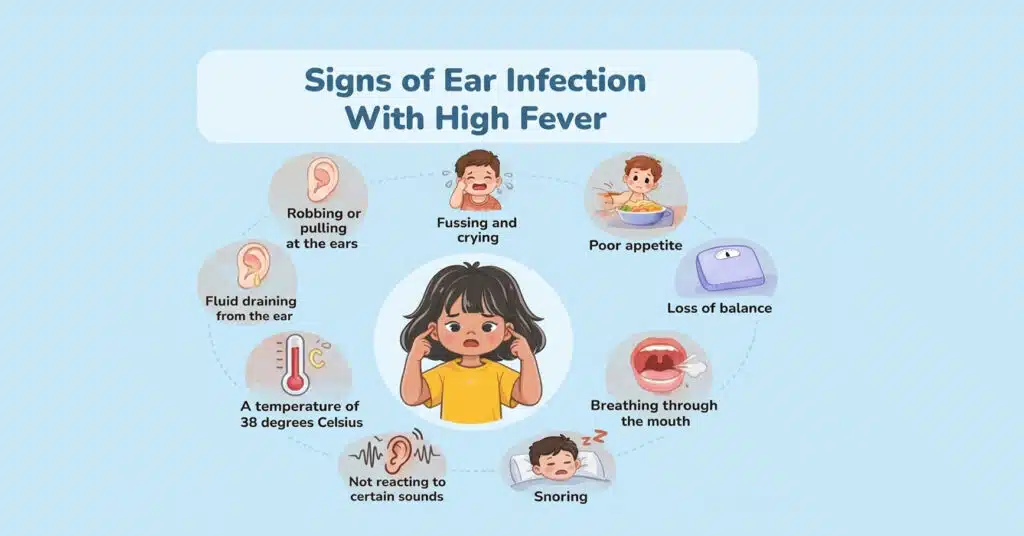
Yes, an ear infection can cause a high fever, particularly when the infection is bacterial or more severe. Fever occurs as the body activates its immune response to fight infection. While many cases produce only mild temperature elevation, some progress to higher fever levels, especially in young children or those with weakened immune systems.
- Bacterial infections: These are more likely to cause a higher fever because the body produces a stronger immune response to fight the bacteria in the middle ear.
- Worsening or untreated infection: If an ear infection is not treated early, inflammation can increase over time, leading to a rise in body temperature.
- Complicated ear infection: In some cases, infection-related inflammation can spread beyond the middle ear area, triggering a more noticeable fever response.
- Age and immune response: Young children and individuals with weaker immunity may develop higher fevers because their bodies react more strongly to infection.
Dangerous Signs of Ear Infection With High Fever
- Persistent high fever: A fever that stays elevated or continues to rise despite home care may indicate a more severe infection that needs medical evaluation.
- Severe ear pain or pressure: Intense or worsening pain in the ear can signal increased inflammation or fluid buildup that is not resolving on its own.
- Fluid or pus drainage: Discharge coming from the ear, especially if thick or foul-smelling, may indicate a ruptured eardrum or advanced infection.
- Hearing difficulty or muffled hearing: Noticeable changes in hearing can occur when fluid buildup becomes significant or pressure increases in the middle ear.
- Dizziness or balance issues: Infection affecting the inner ear area may lead to vertigo, unsteadiness, or difficulty maintaining balance.
If your fever persists or becomes severe, visiting our earache emergency room in Waxahachie, TX, can provide the immediate medical intervention needed to prevent further complications.
Is Fever Common with an Ear Infection?
Yes, fever is fairly common with an ear infection, especially in children. It occurs as the body responds to infection and inflammation in the middle ear. In many cases, the fever is mild and improves as the infection begins to resolve. However, higher or persistent fever may indicate a more severe infection that requires medical attention.
How High Can Fever Go with an Ear Infection?
A fever caused by an ear infection is usually mild to moderate, often ranging from about 100°F to 102°F (37.8°C to 38.9°C). In more severe or bacterial cases, especially in children, the temperature can sometimes rise above 102°F and may reach 104°F (40°C). The height of the fever often depends on the severity of the infection and how the body responds to it.
Ear Infection in Kids
Ear infections are very common in children and can cause ear pain, fever, irritability, and difficulty sleeping. Because kids’ Eustachian tubes are smaller, infections can develop and worsen quickly. If symptoms include high fever, severe pain, or persistent discomfort, prompt medical care is important. Visit our pediatric emergency for fast evaluation and treatment.
Also Read: Toddler Ear Infection Prevention, Symptoms
When to Go to the ER
An ear infection usually improves with time or basic treatment, but there are situations where it can become serious and require emergency care. If symptoms worsen quickly or are accompanied by a high fever or severe discomfort, it may indicate a more advanced infection that needs immediate medical evaluation to prevent complications.
- High or persistent fever: A fever that stays above 102°F (38.9°C) or continues to rise despite medication may signal a serious infection.
- Severe or worsening ear pain: Intense pain that does not improve or becomes sharper over time can indicate worsening inflammation or pressure buildup.
- Fluid or blood from the ear: Any drainage, especially if thick, foul-smelling, or bloody, may suggest a ruptured eardrum or advanced infection.
- Sudden hearing loss or major hearing changes: Noticeable hearing difficulty can occur when fluid buildup or pressure becomes severe in the middle ear.
- Dizziness, confusion, or balance issues: These symptoms may indicate that the infection is affecting deeper ear structures and requires urgent attention.
Treatment for Ear Infection With Fever
Treatment for an ear infection with fever focuses on reducing infection, relieving pain, and lowering fever while the body heals. The approach depends on the severity, age of the patient, and whether the infection is bacterial or viral. In many mild cases, symptoms improve on their own, but persistent or severe symptoms may require medical treatment.
- Pain and fever relief medication: Over-the-counter medicines like acetaminophen or ibuprofen may be recommended to reduce fever and ease ear pain, but they should be used as directed or prescribed by the doctor.
- Antibiotics: If the infection is bacterial, antibiotics prescribed by the doctor may be used to treat the underlying infection and prevent it from spreading.
- Ear drops (when appropriate): In some cases, medicated ear drops prescribed by the doctor may help relieve pain or treat outer ear inflammation.
- Warm compress: Applying a warm compress to the affected ear can help reduce discomfort and ease pressure.
- Monitoring and follow-up: Doctors may recommend observation in mild cases to see if symptoms improve before starting antibiotics, especially in children.
Ear Infection With High Fever Care at Altus Emergency Centers
An ear infection can worsen quickly when accompanied by a high fever, especially in children or individuals with weakened immunity. While some cases improve with basic care, worsening pain, persistent fever, or hearing changes require immediate evaluation.
At Altus Emergency Centers, patients receive fast assessment and treatment for ear pain, fever, and infection-related complications. If you are asking, “Can an ear infection cause a high fever?”, our emergency team can quickly evaluate your symptoms and provide appropriate care to prevent complications and support recovery.
Key Takeaways
- Ear infections can cause pain, pressure, hearing changes, and sometimes fever, especially in children.
- High fever is more likely in bacterial or more severe ear infections and should be closely monitored.
- Not all ear infections cause fever, but its presence may indicate a stronger immune response.
- Warning signs like severe pain, persistent high fever, or ear drainage require urgent medical attention.
- Timely evaluation and treatment can help prevent complications and support faster recovery.
FAQs
What Will an ER Do for Severe Ear Pain?
An ER will quickly examine the ear, check for infection, fluid buildup, or eardrum issues, and provide fast pain relief. If needed, they may start antibiotics and treat fever or complications.
Do Ear Infections Go Away On Their Own?
Yes, mild ear infections can sometimes clear up on their own within a few days, but bacterial infections may require antibiotics if symptoms persist or worsen.
Can an Ear Infection Cause a Sore Throat?
Yes, an ear infection can cause a sore throat due to shared nerve pathways and inflammation that can affect nearby areas.
Can an Ear Infection Cause Jaw Pain?
Yes, ear infections can lead to jaw pain because the infection and inflammation can put pressure on nearby nerves and tissues around the ear and jaw.