

A dry cough is a persistent, non-productive cough that produces little to no mucus or phlegm. Unlike wet coughs that help clear the airways, a dry cough often leaves the throat irritated, scratchy, and fatigued. While many dry coughs are mild and resolve naturally, some may indicate underlying health issues that require attention.
Dry coughs are common across all age groups and can be triggered by minor irritations, viral infections, allergies, or chronic conditions such as asthma or acid reflux. They may appear suddenly or persist for weeks, affecting sleep, work, and daily routines. Persistent coughing, especially at night or during physical activity, may signal the need for more than just home remedies. Recognizing symptoms early, understanding triggers, and seeking timely medical care, such as visiting the closest emergency room near me when severe, are essential to prevent complications and rule out serious conditions like lung infections, heart issues, or chronic respiratory diseases.
What Does a Dry Cough Sound Like?
Dry coughs have a distinct sound compared to wet or productive coughs. They are usually sharp, repetitive, and hollow, often described as hacking, barking, or tickling noises. Unlike wet coughs, which are moist and gurgling due to mucus, dry coughs are irritating and scratchy, causing more discomfort over time.
People may notice that dry coughs worsen when talking, laughing, or inhaling cold air. Nighttime coughing is common, disrupting sleep and causing fatigue the next day. In some cases, coughing fits occur in bursts, making it difficult to control once triggered. Paying attention to the sound and pattern of the cough can help identify possible causes, such as asthma, post-viral irritation, or allergies, and guide effective treatment.
Difference Between Dry Cough and Wet Cough
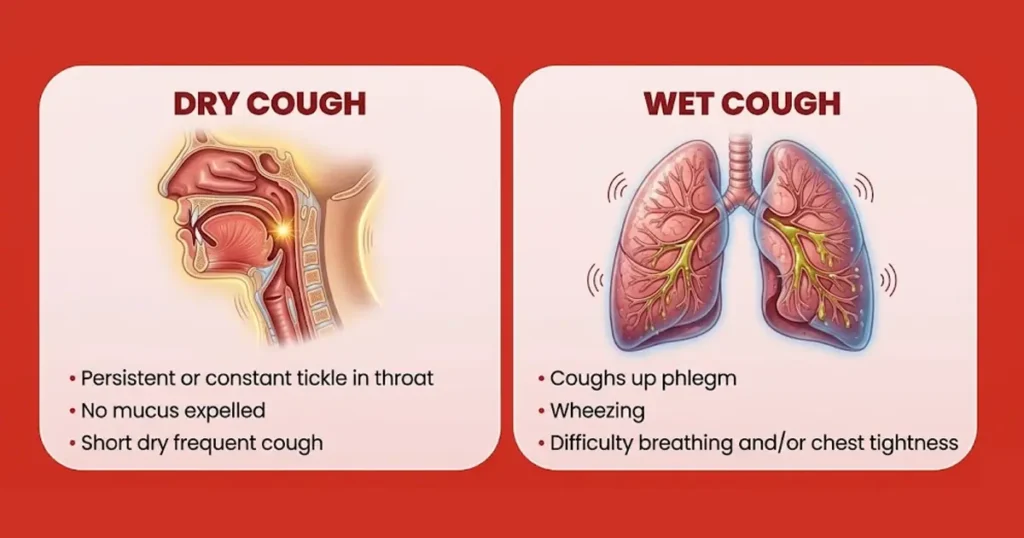
Understanding the difference between dry and wet coughs is crucial in identifying the cause and determining the correct treatment:
- Dry Cough: Non-productive, creating irritation in the throat. It often worsens at night and is commonly caused by viral infections, allergies, asthma, or acid reflux. Dry coughs do not clear mucus but can indicate airway inflammation or irritation.
- Wet Cough: Also called a productive cough, wet coughs help expel mucus and phlegm from the respiratory tract. They are often associated with respiratory infections, bronchitis, or pneumonia, and may include chest congestion, rattling, or wheezing.
Correctly identifying the cough type is essential because dry coughs require soothing and anti-irritant measures, while wet coughs often benefit from treatments that help clear mucus. Misdiagnosing a cough can delay appropriate care and prolong discomfort.
Symptoms of Dry Cough That You Mustn’t Ignore
While many dry coughs are harmless, certain symptoms indicate that medical evaluation may be necessary. Warning signs include:
- Persistent throat irritation: A constant tickling or scratchy sensation that triggers repeated coughing.
- Frequent coughing fits: Occurring during the day or worsening at night, disrupting sleep and daily routines.
- Sore throat: Caused by repeated irritation and coughing.
- Mild chest discomfort: From continuous muscle strain in the chest and ribs.
- Hoarseness or voice changes: Prolonged coughing may affect the vocal cords over time.
- Shortness of breath or wheezing: Could signal asthma, bronchitis, or other respiratory conditions.
- Coughing blood or unusual sputum: May indicate infections or more serious medical conditions.
- High fever, unexplained weight loss, or night sweats: Red flags for systemic or chronic illness.
Monitoring these symptoms helps determine whether home remedies are sufficient or if professional care is required. For severe or persistent cases, visiting the Lumberton hospital ER ensures timely evaluation and appropriate treatment.
Causes of Dry Cough
Dry coughs can arise from minor irritants or chronic medical conditions. Understanding the cause is crucial for effective treatment:
- Viral infections: Post-viral coughs often persist after a cold or flu due to inflammation in the airways, lasting several weeks.
- Allergies: Exposure to dust, pollen, pet dander, mold, smoke, or chemical fumes can irritate the throat and trigger persistent coughing.
- Asthma: Cough-variant asthma may present primarily as a dry cough, often worse at night or during exercise. Cold air, allergens, or irritants can trigger attacks.
- Gastroesophageal reflux disease (GERD): Acid reflux irritates the throat and triggers coughing, especially after meals or when lying down.
- Medications: ACE inhibitors and certain other drugs may cause a persistent dry cough. Adjusting or switching medications under medical supervision usually resolves symptoms.
- Chronic lung conditions: Conditions such as chronic bronchitis, interstitial lung disease, or pulmonary fibrosis can also present with a dry cough, requiring medical evaluation.
Identifying the specific trigger is critical to choosing effective treatments and preventing prolonged discomfort.
When a Dry Cough Is Dangerous
Although most dry coughs are harmless, some may indicate serious health concerns. Warning signs include:
- Cough lasting more than three weeks without improvement.
- Severe chest pain or tightness, especially with shortness of breath.
- Coughing blood or rust-colored mucus.
- High fever, night sweats, or unexplained weight loss.
- Persistent wheezing or voice changes.
Early recognition allows timely medical intervention, reducing the risk of complications from infections, chronic lung conditions, or other serious underlying diseases. For children with severe or persistent symptoms, visiting an emergency room for pediatrics ensures specialized evaluation and prompt care.
How to Treat a Dry Cough
Treatment of a dry cough involves addressing both symptoms and underlying causes:
Home Remedies:
Simple home remedies can provide effective relief for a dry cough by soothing the throat, reducing irritation, and helping the body recover naturally.
- Hydration: Drinking warm fluids like water, herbal teas, or broths soothes the throat.
- Honey: Coats the throat and reduces the frequency of coughing, especially before bedtime.
- Steam inhalation: Moistens dry airways and reduces irritation.
- Humidifiers: Maintain indoor air moisture to prevent throat dryness.
Over-the-Counter Medications:
Over-the-counter options can help manage a dry cough by reducing the urge to cough and soothing throat irritation, especially when home remedies are not enough.
- Cough suppressants: Containing dextromethorphan to reduce the cough reflex.
- Throat lozenges or sprays: Provide temporary relief by soothing throat irritation.
Medical Treatments:
When a dry cough is caused by an underlying medical condition, targeted treatments prescribed by a doctor can address the root cause and provide long-term relief.
- Asthma: Inhalers or corticosteroids reduce airway inflammation and control cough-variant asthma.
- GERD: Proton pump inhibitors, H2 blockers, and lifestyle adjustments prevent acid reflux and throat irritation.
- Allergy-induced cough: Antihistamines or nasal sprays relieve symptoms triggered by allergens.
- Medication-induced cough: Adjusting or replacing causative drugs under medical supervision can eliminate the cough.
A targeted treatment plan ensures lasting relief and addresses the underlying cause, rather than just suppressing symptoms.
When to Go to the ER?
Immediate medical attention is required if a dry cough is accompanied by any of the following serious warning signs:
- Difficulty breathing or gasping for air: This may indicate severe respiratory distress or an obstruction in the airways. Rapid intervention is crucial to prevent oxygen deprivation and serious complications.
- Chest pain radiating to the arm or jaw: Such symptoms could signal a cardiac emergency, including a heart attack. Immediate evaluation at the ER can be life-saving.
- Severe, uncontrollable coughing fits: Persistent or intense coughing that disrupts daily activities, sleep, or causes exhaustion, dizziness, or vomiting requires prompt medical care.
- High fever, confusion, or blue lips: These may indicate a serious infection, pneumonia, or dangerously low oxygen levels. Rapid diagnosis and treatment are essential to prevent deterioration.
- Sudden worsening in individuals with pre-existing heart or lung conditions: People with asthma, COPD, or heart disease are at higher risk of complications if symptoms escalate. Urgent medical attention ensures proper monitoring and treatment.
For immediate evaluation and specialized care, visiting Altus Emergency Center ensures rapid diagnosis, timely treatment, and monitoring to prevent complications. Prompt action can be life-saving in serious cases.
Key Takeaways
- A dry cough is non-productive and can result from viral infections, allergies, asthma, GERD, or medication side effects.
- Symptoms include throat irritation, persistent coughing fits, chest discomfort, and hoarseness.
- Recognizing warning signs such as coughing blood, high fever, or shortness of breath is critical.
- Treatments include home remedies, OTC medications, and targeted medical interventions.
- Seek medical care if the cough persists beyond three weeks or if severe symptoms develop.
FAQs
How long does a dry cough last?
Mild viral dry coughs usually resolve in 1–3 weeks, but chronic causes like asthma, GERD, or allergies may cause coughs lasting months. Consult a doctor if it exceeds three weeks.
Why do I cough more at night?
Nighttime coughing can be triggered by post-nasal drip, acid reflux, or dry air. Sleeping with the head elevated and using a humidifier can help reduce coughing at night.
How do I stop a dry cough?
Temporary relief can be achieved with honey, warm fluids, steam inhalation, or OTC cough suppressants. Persistent or severe coughs require targeted treatment based on the underlying cause.
Is a dry cough contagious?
The cough itself is not contagious, but if caused by a viral infection, the virus may spread. Proper hygiene and avoiding close contact while symptomatic help reduce transmission.