

If you notice an unusual vaginal odor, discharge, itching, or burning, it can be uncomfortable and worrying, especially when you are unsure what is causing it. Bacterial vaginosis (BV) is a common vaginal condition caused by an imbalance of bacteria in the vagina.
BV is treatable, but its symptoms can resemble yeast infections and sexually transmitted infections (STIs), so getting the right diagnosis matters. If symptoms are severe, persistent, or accompanied by pelvic pain or fever, Altus ER Lumberton, TX can provide prompt medical evaluation.
What Causes BV In Women?
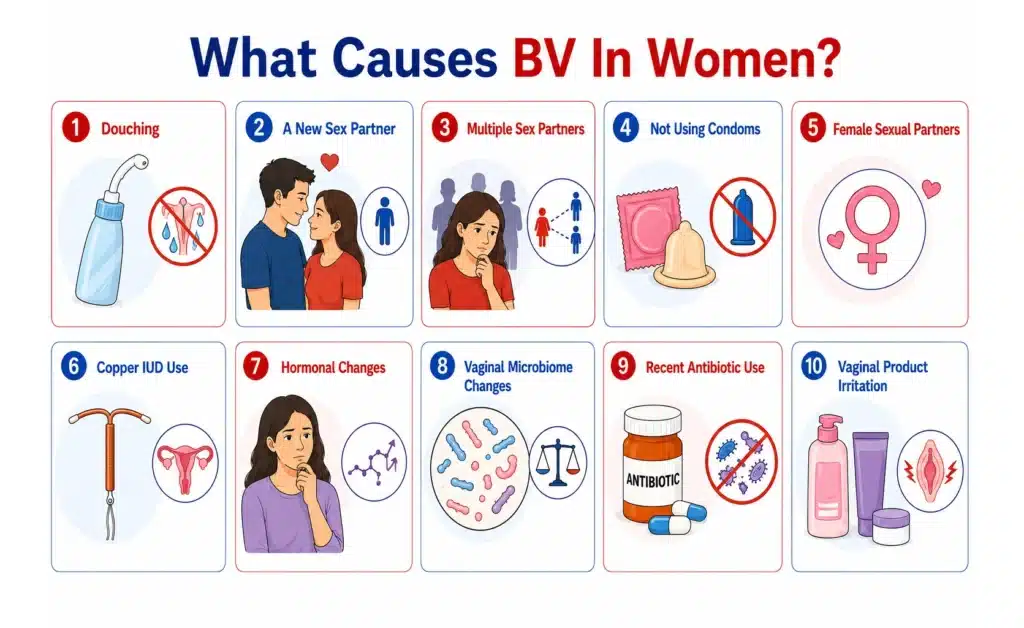
If you are dealing with unusual discharge, a strong vaginal odor, or irritation, it is understandable to wonder what caused BV. Several factors can make this bacterial imbalance more likely. Having one or more risk factors does not mean you will develop BV, and BV is not simply a result of poor hygiene or a sexually transmitted infection.
Douching
Douching can disrupt the vagina’s normal bacterial environment and may increase the likelihood of BV. It can alter the balance of protective Lactobacillus bacteria and change vaginal chemistry. The CDC specifically identifies douching as a BV risk factor. Avoiding vaginal douches is recommended because they are not a treatment for BV and may contribute to recurrence.
A New Sex Partner
Having a new sex partner is associated with a higher risk of BV, although BV is not classified as a conventional STI. Sexual activity may influence the vaginal bacterial community and contribute to changes in the balance of microorganisms. This association does not mean that a partner necessarily transmitted a specific infection that caused BV.
Multiple Sex Partners
Having multiple sex partners is associated with an increased likelihood of BV. Researchers believe changes in the vaginal microbiome may be influenced by sexual activity and exposure to different genital bacteria. However, BV can also occur in people with only one partner or without sexual activity, so this factor alone does not determine whether someone will develop BV.
Not Using Condoms
Not consistently using condoms is associated with a higher risk of BV. Semen and exposure to a partner’s genital microorganisms may affect the vaginal environment, although the exact mechanism is not fully established. Using condoms correctly may help reduce the risk, but it does not completely prevent BV.
Female Sexual Partners
BV can occur among women who have female sexual partners, and a high degree of BV concordance has been observed between some female partners. This suggests that genital bacterial communities may be shared or influenced during sexual contact. However, researchers have not established a single infectious organism responsible for BV.
Copper IUD Use
Copper-containing intrauterine devices (IUDs) have been associated with increased BV prevalence in some studies. The relationship may involve changes in the vaginal environment, including changes associated with menstrual bleeding. Hormonal contraception, in contrast, has not been shown to increase BV risk and may offer some protection.
Hormonal Changes
Changes in hormone levels may affect the vaginal environment and bacterial balance. Pregnancy, menstruation, and other hormonal shifts can influence vaginal bacteria. However, hormonal changes do not mean BV will always develop.
Vaginal Microbiome Changes
Changes in the normal vaginal microbiome can allow BV-associated bacteria to increase. When protective Lactobacillus bacteria decrease, other bacteria may grow more easily. This imbalance is the main biological feature of BV.
Recent Antibiotic Use
Antibiotics can alter the balance of bacteria in the body, including bacteria in the vagina. This may sometimes contribute to changes in the vaginal microbiome. However, antibiotics are not considered a direct cause of every BV case.
Vaginal Product Irritation
Scented soaps, sprays, wipes, and other vaginal products can irritate the genital area or disrupt the vaginal environment. Avoiding these products may help maintain a healthier bacterial balance.
BV Symptoms In Women That Need Medical Attention
Many women with BV have few or no noticeable symptoms, so the absence of symptoms does not necessarily rule it out. When symptoms occur, common signs include a thin white or gray discharge, a fish-like vaginal odor, burning with urination, or vaginal irritation. Because BV symptoms can overlap with yeast infections and STIs, persistent or unusual symptoms should be evaluated rather than self-treated based on symptoms alone.
A U.S. study indexed by PubMed found that 29.2% of women ages 14–49 had BV, but only 15.7% of women with BV reported vaginal symptoms, meaning about 84% did not report symptoms. This highlights why symptoms alone cannot reliably identify BV.
- Thin white or gray vaginal discharge.
- Strong fish-like vaginal odor, particularly after sex.
- Vaginal itching or irritation.
- Burning during urination.
- Unusual changes in vaginal discharge or odor that persist or return.
- Symptoms that do not improve after treatment.
- Vaginal symptoms accompanied by pelvic or lower abdominal pain.
- Vaginal symptoms during pregnancy, which warrant medical evaluation because BV is associated with certain pregnancy complications.
Can Men Get BV?
Men do not typically develop bacterial vaginosis because BV is a condition involving the vaginal microbiome. However, BV-associated bacteria can be found on male genitalia, particularly around the penis, and sexual partners may influence the bacterial environment associated with recurrent BV in a female partner.
For this reason, penile or urinary symptoms should not automatically be described as male BV. Symptoms such as discharge, burning, itching, sores, or significant redness may have other causes, including sexually transmitted infections, urethritis, or balanitis, and should be evaluated by a healthcare professional.
When To Go To The ER
BV itself is usually treated in an outpatient setting, but certain symptoms can indicate a more serious infection or another urgent medical condition. Severe pelvic or abdominal pain, high fever, fainting, heavy vaginal bleeding, or rapidly worsening symptoms should not be ignored. Pregnant patients with vaginal symptoms should also seek prompt medical evaluation because BV is associated with pregnancy complications.
- Severe or rapidly worsening pelvic or lower abdominal pain.
- High fever or chills along with vaginal or genital symptoms.
- Fainting, severe weakness, confusion, or significant dizziness.
- Heavy or unusual vaginal bleeding.
- Severe vomiting or inability to keep fluids down concerning pelvic symptoms.
- Rapidly worsening genital swelling, redness, or severe pain.
- Severe symptoms during pregnancy, especially with pelvic pain, fever, bleeding, or other concerning changes.
- Difficulty breathing or signs of a severe allergic reaction after taking medication.
If these symptoms occur, search for the nearest emergency room or seek emergency medical care immediately rather than waiting for symptoms to resolve.
BV Treatment
If you have BV symptoms, proper treatment can relieve odor, discharge, and irritation while restoring the vaginal bacterial balance. Because BV can resemble yeast infections or STIs, accurate diagnosis is important. Most doctors recommend prescription treatment for confirmed symptomatic BV.
- Prescription Antibiotics: Most doctors recommend metronidazole or clindamycin to treat BV. They may be taken orally or used vaginally.
- Metronidazole: Most doctors recommend oral metronidazole or vaginal gel as a standard BV treatment, depending on your symptoms and medical history.
- Clindamycin: Most doctors recommend clindamycin vaginal cream for some patients who cannot use or tolerate metronidazole.
- Other Antibiotics: Most doctors recommend medicines such as tinidazole or secnidazole for selected patients when appropriate.
- Recurrent BV Treatment: Most doctors recommend medical reassessment when BV keeps returning. Longer-term treatment may sometimes be prescribed.
- OTC Medicines: There is no reliable over-the-counter medicine that cures confirmed BV. Avoid treating BV with yeast-infection medicines unless advised.
- Probiotics: Probiotics are sometimes marketed for BV, but they should not replace prescribed antibiotic treatment.
- Avoid Douching: Most doctors recommend avoiding douches because they can disrupt vaginal bacteria and may increase BV recurrence.
- Gentle Hygiene: Wash the external genital area gently and avoid scented soaps, sprays, and vaginal cleansing products that may cause irritation.
Altus Emergency Centers For BV Care
If BV symptoms become severe or occur with intense pelvic pain, fever, heavy bleeding, fainting, or rapidly worsening discomfort, seek emergency care promptly. At Altus Emergency Centers, our 24/7 emergency rooms are equipped to evaluate concerning vaginal and pelvic symptoms and provide timely medical care.
From diagnostic evaluation and symptom management to treatment for infections or other urgent complications, Altus Emergency Centers provides compassionate emergency care with an ER wait time of just 13 minutes. If severe symptoms develop suddenly or continue to worsen, do not wait for them to improve on their own. Seek immediate medical attention.
Key Takeaways
- BV is common: It occurs when vaginal bacteria become unbalanced.
- Symptoms vary: Some women have odor or discharge, while others have none.
- Treatment works: Most doctors recommend prescription antibiotics.
- Avoid douching: It can disrupt healthy vaginal bacteria.
- Recurring BV: Frequent BV needs medical evaluation.
- Emergency signs: Severe pain, fever, bleeding, or fainting need urgent care.
Frequently Asked Questions
Can BV Go Away On Its Own?
BV may sometimes improve without treatment, but it can return or cause complications. If symptoms persist, medical evaluation and treatment are recommended.
Is Bacterial Vaginosis An STD?
No, BV is not considered an STD. However, sexual activity can affect the vaginal bacteria balance and may increase the risk of developing BV.
Does Boric Acid Help BV?
Boric acid may be used as part of treatment for recurrent BV under medical guidance. It should not replace prescribed antibiotics for confirmed BV.