 Skip to content
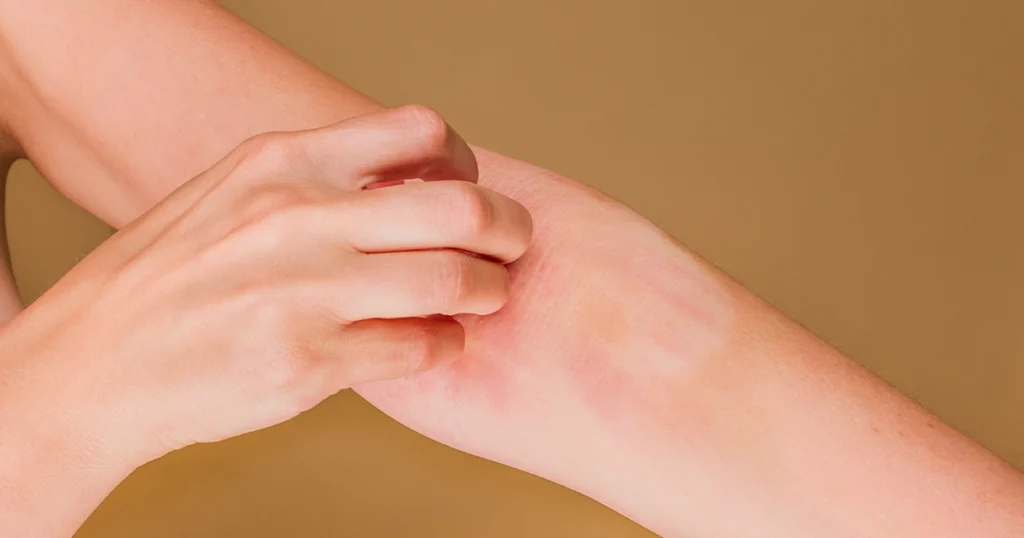
Experiencing itching that appears in one area and then shifts to another can be both frustrating and confusing. Understanding what causes itching that moves around the body helps identify whether it’s a minor issue like dry skin or an underlying condition. Migrating itch can be sporadic, making triggers hard to spot.
If the itching persists, spreads rapidly, or interferes with daily life, professional evaluation is recommended. At our Lake Jackson emergency room, we assess sudden or severe itching, especially when accompanied by rashes, swelling, or other concerning signs, and provide guidance for safe and effective relief.
What Is an Itch?
An itch is an uncomfortable sensation that triggers the urge to scratch. The medical term for an itch is pruritus, which can result from skin dryness, allergies, nerve irritation, or internal medical conditions. It may affect one area or appear as whole body itching and can sometimes occur with itchy skin with rashes.
Symptoms Of Itch
- Tingling, crawling, or prickling sensations.
- Redness or irritation from scratching.
- Dry or flaky skin patches.
- Itchy skin all over or in specific areas.
- Itchy hands or itchy feet, sometimes without visible rashes.
- Burning or warmth in the affected area.
Causes of an Itch That Moves Around the Body
Migrating itching often occurs when histamine or other chemicals circulate through the body, or when nerves are irritated. This type of pruritus may appear intermittently, shift locations, and sometimes present with rashes. A population-based study found that about 13.5% of adults experience chronic pruritus, with 16.4% reporting it within the past year.
- Dry Skin (Xerosis)
Dry skin is a frequent cause of shifting itch. When the skin loses moisture, nerve endings become more sensitive, leading to intermittent pruritus. Environmental factors like low humidity, cold weather, or harsh soaps can worsen symptoms. People often notice flare-ups in winter or after hot showers. Keeping the skin hydrated helps reduce irritation and discomfort.
Symptoms
- Flaky or rough patches.
- Tight-feeling skin.
- Intermittent itch.
- Redness from scratching.
- Allergic Reactions
Allergic reactions occur when the immune system responds to triggers such as foods, medications, pollen, or skincare products. Sinus infections and other allergies can sometimes cause itching that shifts between areas, sometimes leading to itchy skin all over or itchy skin with rashes. Antihistamines and topical treatments often relieve symptoms, while avoiding known allergens helps prevent recurrence.
Symptoms
- Sudden itching in multiple areas.
- Raised hives or welts.
- Skin swelling.
- Itchy hands or itchy feet.
Learn More About: Allergy Triggers to Avoid
- Stress-Induced Itching
Stress can trigger itching through activation of nerve endings and the release of inflammatory chemicals. This type of pruritus often starts in one area and may shift unpredictably. It can occur without visible rashes and tends to worsen during chronic stress or anxiety episodes. Relaxation techniques and lifestyle adjustments can help manage symptoms.
Symptoms
- Tingling or crawling sensations.
- Itching during stressful situations.
- Random shifting itch.
- No visible rash.
- Nerve-Related Itching (Neuropathic Pruritus)
Neuropathic pruritus happens when damaged or irritated nerves send false signals to the brain. Conditions like neuropathy, shingles, or spinal nerve compression can cause intermittent or migrating itching. The sensation may feel burning, electric, or prickling and often doesn’t respond to moisturizers.
Symptoms
- Itching without visible rash.
- Burning or prickling sensations.
- Itch triggered by touch or temperature.
- Persistent or migrating itch.
- Systemic Conditions (Liver, Kidney, Thyroid Issues)
Internal medical conditions can lead to generalized itching that shifts across the body. Liver disease, kidney dysfunction, or thyroid imbalances cause pruritus as toxins or hormones build up in the bloodstream. Itching may worsen at night, sometimes without rashes, and dry or pale skin can appear. Early diagnosis helps treat the cause.
Symptoms
- Night-time itching.
- Dry or pale skin.
- Fatigue or swelling.
- No visible rash.
- Medication Reactions
Certain medications, including antibiotics, opioids, and blood pressure drugs, can trigger pruritus that shifts across the body. Symptoms may appear shortly after starting a new medication and may or may not include rashes. Antihistamines may relieve symptoms, but medical guidance is needed for safe use or medication changes.
Symptoms
- Itching after starting medication.
- Widespread prickling sensations.
- Red patches or hives.
- Mild swelling.
- Infections (Fungal, Viral, Parasitic)
Infections such as scabies, fungal infections, or viral illnesses can cause itching that moves as the immune system responds. Scabies often leads to intense nighttime itching that spreads. Fungal infections create itchy, scaly patches, while viral illnesses may cause generalized pruritus. Early diagnosis and treatment prevent worsening or spread.
Symptoms
- Red or scaly patches.
- Pinpoint bumps.
- Night-time worsening.
- Itchy hands or itchy feet.
- Hormonal Changes
Hormonal fluctuations during pregnancy, menopause, or thyroid disorders can increase skin sensitivity and cause shifting itch. Dry or irritated areas may appear unpredictably and worsen at night or under stress. Stay hydrated, use gentle skin care, and monitor hormones to ease discomfort.
Symptoms
- Night-time itch.
- Warm flushing or tingling.
- Dry, sensitive skin.
- Patchy irritation.
- Autoimmune Skin Disorders
Autoimmune conditions like eczema, psoriasis, or lupus can cause chronic itching that shifts with inflammation cycles. Immune attacks on skin cells produce red, inflamed, or scaly patches. Symptoms may appear in different areas at different times and worsen with stress or environmental triggers.
Symptoms
- Red, inflamed patches.
- Dry, cracked skin.
- Raised plaques.
- Burning or itching.
- Environmental Irritants
Exposure to chemicals, detergents, fragrances, or pollutants can cause shifting itches. Clothing or skincare products may trigger localized or spreading symptoms. Migrating itch often appears after repeated contact or if the irritant spreads. Use gentle, fragrance-free products and avoid triggers to protect sensitive skin.
Symptoms
- Redness at contact points.
- Burning or stinging sensations.
- Patchy rashes.
- Dry or irritated skin.
When Is It an Emergency?
Seek immediate care if itching is severe, sudden, or accompanied by other serious symptoms. Whole body itching with additional signs may indicate a severe allergic reaction or systemic illness. Prompt evaluation is crucial to prevent complications and ensure timely treatment.
Emergency Signs
- Difficulty breathing or swallowing.
- Swelling of lips, face, or throat.
- Rapidly spreading hives or rash.
- Fever with itching.
- Yellowing of eyes or skin.
- Severe dizziness.
If you notice any of these symptoms, contact Altus Emergency Center immediately for urgent care.
What Stops Itching Fast?
Fast relief focuses on calming nerves, reducing inflammation, and restoring skin hydration. Effective pruritus treatments combine medications, topical care, natural remedies, and lifestyle adjustments. Quick action minimizes scratching and protects the skin from further damage.
Ways to Stop Itching
- Cold Compress: Reduces inflammation and numbs irritated nerve endings.
- Moisturizers / Emollients: Hydrate dry skin and form a protective barrier.
- Antihistamines: Alleviate allergic reactions and shifting itch.
- Hydrocortisone Cream: Reduces redness, inflammation, and itchy skin with rashes.
- Oatmeal Baths: Soothe irritated areas and reduce whole body itching.
- Aloe Vera: Provides cooling relief for itchy hands, itchy feet, and other areas.
- Avoiding Triggers: Use fragrance-free detergents, gentle soaps, and breathable clothing.
- Prescription Treatments: May include topical steroids, nerve-calming medications, or systemic treatments.
- Proper Hydration: Maintains skin moisture and helps reduce itching pruritus.
Altus Emergency Center: Itching Relief
Migrating or intermittent itching can often improve with moisturizers, over-the-counter treatments, or lifestyle adjustments. However, persistent or severe itching may indicate an underlying health issue. Understanding What Causes Itching That Moves Around The Body can help you act promptly and manage symptoms effectively, and seek emergency care when necessary.
If itching becomes intense, widespread, or comes with rashes, swelling, or other concerning signs, professional care is essential. Altus Emergency Center provides timely evaluation, accurate diagnosis, and effective treatment to relieve discomfort and restore healthy, comfortable skin.
