 Skip to content
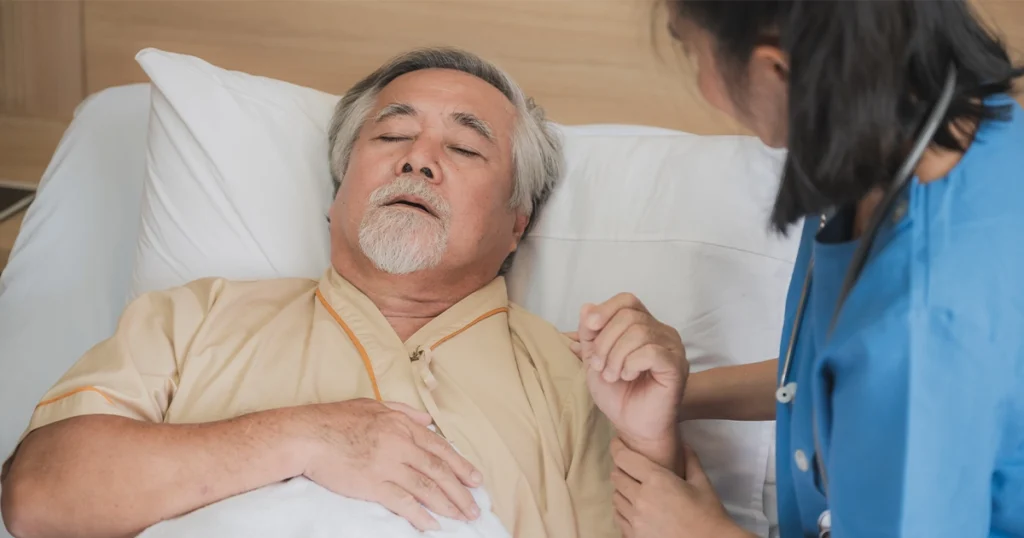
Walking pneumonia can be sneaky. Unlike severe pneumonia, its symptoms often appear mild, leaving many unaware they’re actually sick. Some people power through a persistent cough or low-grade fever, thinking it’s just a lingering cold. But the truth is, even subtle infections can carry hidden risks that warrant attention.
Especially for those with underlying conditions or weakened immunity, small warning signs can sometimes escalate. Seeking timely care at trusted facilities like the emergency room in Lumberton, TX, can make a difference. Early evaluation often prevents complications and ensures peace of mind. Paying attention to subtle changes in your health can save you from serious outcomes.
What Are the First Signs of Walking Pneumonia
Walking pneumonia often starts subtly, and most people may not even realize they are infected at first. According to a study published on PubMed, 11.4% of community-acquired pneumonia cases were caused by Mycoplasma pneumoniae, a common cause of walking pneumonia. Early stages can affect daily life gradually, impacting energy levels and sleep quality without obvious severity. Some people mistake these symptoms for allergies or general fatigue, which delays treatment. Understanding these early cues is vital for preventing the infection from worsening. Common initial signs include:
- Persistent dry cough that worsens at night.
- Mild fever or occasional chills.
- Fatigue that doesn’t improve with rest.
- Sore throat or mild chest discomfort.
- Headaches or body aches.
Can Walking Pneumonia Kill You?
Yes, walking pneumonia can be fatal in rare cases, particularly if left untreated or if it affects high-risk individuals. While most people recover fully, ignoring symptoms or delaying care can lead to serious respiratory complications. Subtle changes like rapid breathing, chest pain, or shortness of breath may indicate the infection is progressing beyond mild.
People At Higher Risk Include:
- Elderly adults with weakened immune systems.
- Individuals with chronic lung diseases such as COPD or asthma.
- Patients with heart conditions or diabetes.
- People on immunosuppressive medications.
- Those experiencing prolonged fatigue or worsening cough.
Prompt medical attention with antibiotics, rest, and hydration can prevent the infection from becoming life-threatening.
Is Pneumonia a Deadly Disease?
Pneumonia can range from mild to life-threatening, depending on a person’s overall health, age, and type of infection. Even with modern medical care, it remains a leading cause of hospitalization and mortality worldwide. Awareness of severity is critical for early intervention and risk management. Factors that influence pneumonia severity include:
- Overall adult death rate: ~5–10% for hospitalized patients.
- Elderly adults: 10–30% depending on severity and comorbidities.
- Children under 5: significantly higher risk in developing countries.
- Early treatment reduces mortality dramatically.
- Vaccination and awareness campaigns can lower death rates.
- Pre-existing conditions like diabetes or lung disease can increase risk.
How Long Before Pneumonia Kills You?
The timeline for pneumonia progression varies significantly based on severity, treatment, and patient health. Mild cases may resolve in just over a week, while severe cases can escalate rapidly. Early monitoring and intervention are critical, as some patients can deteriorate in a matter of days without proper care. Here’s a simplified overview:
| Pneumonia Type | Severity Level | Time to Critical Condition (if untreated) | Notes |
| Walking Pneumonia | Mild | 1–3 weeks | Usually resolves with antibiotics. |
| Bacterial Pneumonia | Moderate to Severe | 3–7 days | Can require hospitalization. |
| Double Pneumonia | Severe | 48–72 hours | Both lungs are affected; higher risk. |
| Elderly/Immunocompromised | Critical | 24–48 hours | Rapid deterioration is possible. |
Monitoring early warning signs ensures timely intervention and reduces the risk of fatal complications.
Walking Pneumonia Survival Rate
Most people recover fully from walking pneumonia with proper care, though recovery speed can vary depending on age, overall health, and timely treatment. While it is generally mild, certain high-risk individuals may face more serious complications if left untreated.
- Mild walking pneumonia: >95% recovery with antibiotics and rest.
- Elderly or immunocompromised patients: 80–90% recovery depending on complications.
- Early diagnosis significantly improves outcomes.
- Following prescribed treatment and proper hydration supports full recovery.
- Awareness of symptoms ensures timely care and better survival chances.
Prevention and Treatment
Preventing walking pneumonia is as important as treating it, especially for those at higher risk. Lifestyle choices, hygiene, and timely vaccinations can reduce your chance of infection. Treatment varies depending on the cause but usually involves medication and supportive care. Key prevention and treatment measures include:
- Wash hands frequently and practice good hygiene.
- Avoid close contact with sick individuals.
- Get vaccinated with pneumococcal and flu vaccines.
- Take prescribed antibiotics fully if bacterial infection is confirmed.
- Rest, stay hydrated, and monitor symptoms closely.
Following these steps reduces the risk of severe illness and promotes faster recovery.
When Walking Pneumonia Gets Serious
Although walking pneumonia is generally mild, it can occasionally become serious, especially if symptoms worsen or breathing becomes difficult. Seek immediate medical attention if you experience persistent chest pain, high fever, shortness of breath, blue lips or fingertips, confusion, or extreme fatigue that limits daily activities. These signs may indicate the infection is progressing and could lead to more severe complications.
At Altus Emergency Centers, patients benefit from rapid evaluation, on-site imaging, and respiratory support to detect and manage pneumonia promptly. For those needing closer monitoring, inpatient care is available to stabilize breathing, control infection, and prevent complications. Acting quickly when symptoms intensify can protect lung function, reduce the risk of serious illness, and support a safer recovery.
