
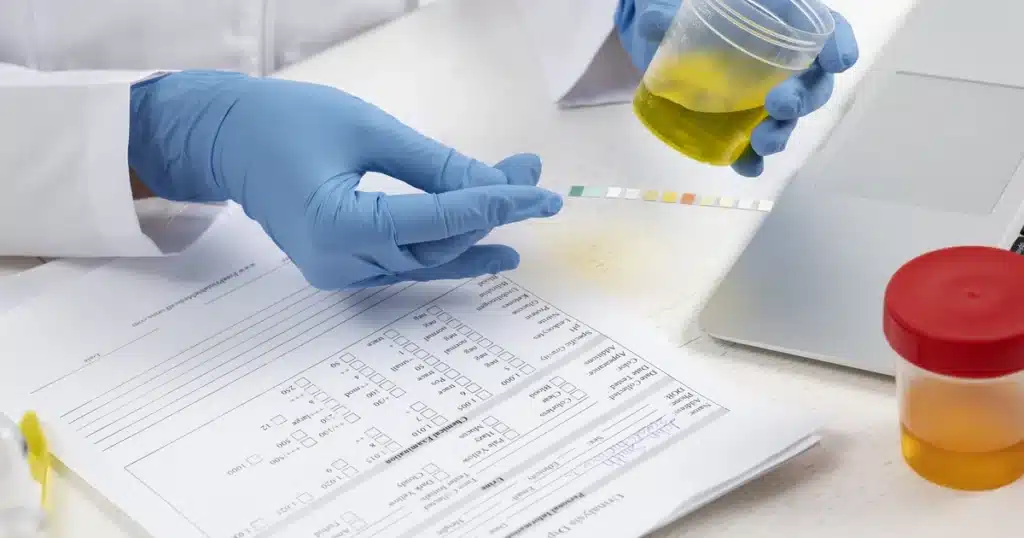
Facing a drug test can be stressful, whether it’s for work, legal reasons, or medical treatment. Many people wonder: Can these tests actually reveal how much of a drug you’ve taken, or do they just detect if you’ve used at all? The answer is not as straightforward as you might think. On-site labs are excellent at identifying drug use, but they’re not designed to give an exact measurement of dosage. Understanding how these tests work can help you feel more informed and less anxious about the process.
Detection Time Frame
The detection window of a urine drug test depends on many factors, including the type of drug used, the amount taken, and your body’s unique chemistry. Typical detection times include:
- Cocaine: detectable for 2–4 days
- Opioids: often appear for 2–3 days
- Marijuana: a few days in occasional users, but weeks in heavy users
- Amphetamines: usually 1–3 days
- Benzodiazepines: 3–7 days for short-acting, up to several weeks for long-acting types
Other variables, such as hydration levels, metabolism speed, frequency of drug use, and kidney or liver function, also play a role in how long drugs stay detectable. This is why two people who took the same drug in the same dose may show very different results on a urine drug screening.
Metabolism and Elimination Rates
When you take a drug, your body processes it into smaller compounds called metabolites. These metabolites are what urine drug tests actually detect. The speed of this process depends on:
- Genetics (some people metabolize drugs faster)
- Age and liver health
- Overall metabolism rate
- Frequency of use
Drugs with short half-lives leave your system quickly, while those with long half-lives stick around longer. This explains why a urine drug test can confirm drug use but not show exactly how much you consumed.
Concentration vs. Consumption
It’s important to understand the difference between drug concentration in urine and actual drug consumption:
- Concentration: the amount of drug metabolites present in your urine at the time of testing
- Consumption: how much and how often you have actually used the drug
For example, a high concentration in a urine drug screening does not automatically mean someone took a large dose. Other factors that can influence concentration include:
- Using smaller amounts frequently over time
- Being dehydrated, which makes urine more concentrated
- Having a slower metabolism, which keeps metabolites in the system longer
This is why urine drug test results should always be interpreted in context, considering your metabolism, hydration, frequency of use, and overall health. Misreading concentration as consumption can lead to inaccurate conclusions about someone’s drug use habits.
Factors Affecting Test Results
Several factors can influence how drugs appear in a urine drug test, making interpretation more complex:
- Hydration and diet: drinking more water can dilute urine, lowering metabolite concentration
- Exercise: Physical activity may speed up or slow down metabolism, affecting how quickly drugs are eliminated
- Other medications: certain prescriptions can interfere with drug metabolism or elimination
- Health conditions: liver or kidney issues can slow the processing of drugs, keeping metabolites detectable longer
- Body weight and age: these factors can influence metabolism and drug clearance rates
Because so many variables affect results, a urine drug test should never be interpreted based solely on raw numbers. Medical professionals consider these factors to accurately assess what the test results truly mean, helping prevent misunderstandings about drug use.
Mechanism of Urine Drug Testing
A urine drug test works by detecting drug metabolites, the breakdown products your body produces after using a substance. The most common method is an immunoassay test, which uses special proteins to quickly screen for the presence of drugs. If something is detected, labs often follow up with a confirmatory test like gas chromatography-mass spectrometry (GC-MS). This second test is more precise and can measure the exact levels of drug metabolites in the urine sample. Knowing how these tests work helps patients understand why results may sometimes vary and why a positive test doesn’t automatically indicate recent high consumption.
Detection Limits of Urine Tests
Urine drug tests have minimum detection limits, which are the smallest amounts of a drug the test can reliably detect. These limits vary depending on:
- The type of drug
- The testing method
- The lab equipment
Most tests detect very small amounts, often measured in nanograms per milliliter (ng/mL). Drugs below these limits may not show up, which is why occasional or very small doses sometimes go undetected. Understanding detection limits helps patients see that a negative test doesn’t always mean zero drug exposure; it may just be below the test’s sensitivity.
Interpreting Urine Drug Test Results
A urine drug screening measures the presence of drug metabolites and compares them to established cutoff levels to determine whether a result is positive or negative.
- Positive test: drug metabolites were detected above the cutoff level
- Negative test: no metabolites detected or levels below the cutoff
- Multiple drugs detected: may indicate polydrug use, which can have different health or legal implications
It’s important to note that a positive result does not measure impairment at the time of testing, nor does it indicate the exact dosage taken. Factors such as metabolism, hydration, frequency of use, and health conditions all influence the results. For this reason, medical or legal experts should review urine drug test results to provide an accurate interpretation and avoid misunderstandings.
Measurement Units and Interpretation
Drug concentrations in urine are usually reported in extremely small units:
- Nanograms per milliliter (ng/mL)
- Micrograms per milliliter (mcg/mL)
Higher concentrations generally indicate more recent or heavier drug use, while lower levels may reflect older or lighter use. However, it’s important to remember that individual metabolism, hydration, and health can all influence these numbers. Interpreting them properly requires professional expertise.
Urine Drug Test Results With Altus Emergency Center
A urine drug test is a tool to detect whether substances have been used, but it doesn’t measure exactly how much you consumed. The results can be influenced by many factors, including your metabolism, hydration levels, frequency of use, and the type of drug taken. For patients, this means the test is more about presence than quantity. If you’re feeling anxious about a test, remember that Altus Emergency Center healthcare providers are there to help interpret results accurately and provide guidance. Knowing how these tests work can reduce stress and help you feel more in control of the process.