 Skip to content
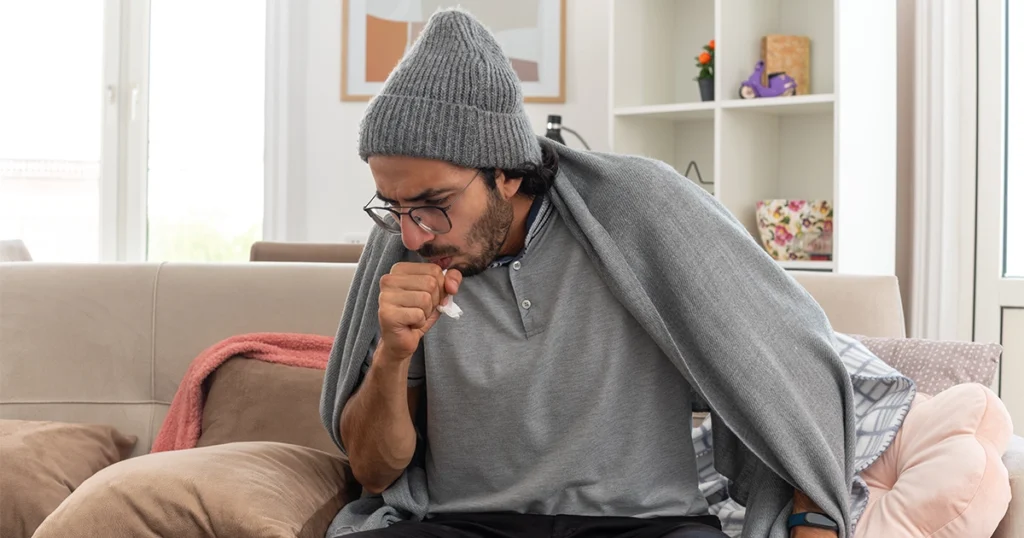
Experiencing wheezing can be alarming, especially when you hear a crackling noise when breathing, feel tightness in your chest, or notice a whistling sound when breathing out. If you’re searching for How To Stop Wheezing Immediately,these sensations are sudden, uncomfortable, and concerning. Our team at Altus emergency room in Lumberton, TX understands how stressful this can be and is here to provide supportive guidance.
A large population study published by the NIH found that about 28% of adults experience wheezes or crackles in the lungs, with wheezing on exhale being common in both men and women. Understanding why wheezing occurs is the first step toward relief and helps you take action safely without feeling overwhelmed.
How to Stop Wheezing Instantly
Wheezing arises when narrowed airways make breathing difficult, producing wheezing lung sounds, crackling, or a high-pitched whistle sound. It can occur during inhalation or exhalation, and in some cases, shortness of breath that comes and goes makes it harder to predict when symptoms will flare. Below are practical, medically supported steps to find relief safely and quickly.
- Adjust Your Body Position
Changing your posture can provide immediate relief. Sitting upright or leaning slightly forward allows your lungs to expand fully, reducing airway pressure and easing wheezing on exhale when lying down. This position also relaxes the diaphragm, improving airflow and decreasing the noisy or whizzing sound during breathing. Many people notice improvement in minutes by maintaining proper posture while wheezing.
- Practice Controlled Breathing
Slow, controlled breathing, such as pursed-lip or diaphragmatic breathing, helps stabilize the airways and reduces wheezing when breathing out. By prolonging the exhale, these techniques prevent airway collapse and calm bronchial spasms, which can lessen the crackling or whistling sounds. Practicing controlled breathing during mild episodes also improves oxygen intake and reduces chest tightness or dizziness.
- Move to Clean, Fresh Air
Airborne irritants like smoke, pollen, strong fragrances, and dust can worsen wheezing or wheezing lung sounds. Stepping into an area with clean, fresh air helps reduce airway inflammation and eases bronchial constriction. Even brief exposure can relieve the tightness and whizzing noises, allowing easier airflow through the lungs.
- Stay Hydrated
Drinking warm fluids thins mucus that can obstruct airflow, reducing the crackling noise when breathing or the high-pitched whistle sound. Hydration keeps airway tissues moist and decreases irritation that can trigger bronchial spasms. Smoothened mucus allows more efficient airflow and can lessen wheezing episodes associated with allergies, colds, or mild respiratory infections.
- Use a Humidifier or Steam Exposure
Warm, moist air helps relax airway muscles and soothe irritation, improving airflow during mild wheezing. Steam or a humidifier can loosen mucus and ease wheezing when breathing, especially in dry indoor conditions. Many people notice significant relief within minutes, as the warm moisture reduces airway tightness and makes breathing smoother.
- Avoid Allergens and Irritants Immediately
Exposure to triggers like pet dander, mold, pollen, and harsh chemicals can worsen wheezing on exhale or whizzing noises. Moving away from these irritants helps calm inflamed airways and prevents bronchial spasms from intensifying. Recognizing and avoiding triggers early can reduce repeated episodes and improve overall respiratory comfort.
Learn More About: Allergy Triggers to Avoid
- Try Gentle Coughing if Mucus Is Present
When mucus partially blocks the airways, airflow becomes turbulent, causing a whistle sound or wheezing lung sounds. Gentle coughing can help clear mucus without irritating the bronchi further. This technique often eases crackling noises and allows smoother airflow, particularly during colds, allergies, or congestion-related wheezing.
- Use Warm Compresses on the Chest
Applying warmth to the chest can relax muscles surrounding the airways, easing tightness that contributes to wheezing when breathing. A warm compress may reduce discomfort during inhalation or exhalation and helps relieve stress-related or cold-induced bronchial spasms. Improved chest relaxation supports better lung expansion and smoother breathing.
- Stay Calm and Reduce Anxiety
Stress can trigger or worsen bronchial spasms, making wheezing more pronounced. Focusing on calm, controlled breathing prevents rapid, shallow breaths that increase chest tightness and wheezing on exhale. Reducing anxiety allows the airways to relax naturally, often improving airflow and decreasing high-pitched whistling sounds during episodes.
- Monitor Symptoms Closely
Keeping track of symptoms, including shortness of breath that comes and goes or episodes of wheezing when lying down, helps identify triggers and patterns. Noting severity and timing is valuable for medical evaluation, ensuring early treatment if conditions worsen. Monitoring your breathing also allows you to act quickly before wheezing escalates into more serious issues.
Warning Signs
While mild wheezing may be temporary, certain signs indicate urgent medical attention is needed. If you notice sudden changes in breathing, especially while lying down or exhaling, seek help immediately. Warning signs include:
- Severe shortness of breath or trouble speaking.
- Blue, gray, or pale lips, skin, or fingernails.
- Rapidly intensifying wheezing.
- Persistent chest tightness.
- Fast breathing, dizziness, or gasping.
- Crackling noise when breathing that doesn’t improve.
- Wheezing after allergen or irritant exposure.
- Symptoms worsening within minutes.
If any of these warning signs appear, contact Altus Emergency Center immediately for fast evaluation and treatment.
Altus Emergency Center: Fast Help for Wheezing Relief
When breathing becomes difficult and you’re searching for how to stop wheezing immediately, getting timely support can make all the difference. Sudden wheezing, chest tightness, or a whistle-like breath shouldn’t be ignored, especially if symptoms return or worsen. Early evaluation helps prevent complications and restores your confidence in managing your breathing.
Altus Emergency Center provides trusted emergency care for severe or persistent wheezing, offering prompt assessment, advanced diagnostics, and immediate treatment. Whether symptoms arise from airway irritation, bronchial spasms, or underlying respiratory issues, quick attention ensures safe recovery and peace of mind.
