ER for Dehydration in Lumberton
Dehydration occurs when your body loses more fluids than it takes in, leading to serious health complications if not treated promptly. At Altus Lumberton Hospital and ER, our team provides 24/7 expert care for Dehydration emergencies, offering rapid rehydration, monitoring, and life-saving Dehydration treatment. Whether caused by illness, heat, or physical exertion, getting timely attention from our experienced medical staff can make a critical difference in recovery.
- Upfront Pricing
- Insurance Accepted
- Easy-to-Read Bills
- Compassionate Care

Find the Fastest Route to Emergency Care
Clear directions to help you reach us without delay when every minute matters.
What Is Dehydration?
Dehydration happens when the body doesn’t have enough fluids to carry out normal functions such as regulating temperature, maintaining blood pressure, and supporting organ function. It can result from excessive sweating, vomiting, diarrhea, or simply not drinking enough water. While mild dehydration can often be corrected with fluids, severe cases can quickly become medical emergencies requiring immediate care. Because dehydration affects every organ system, early evaluation and professional Dehydration treatment are essential to prevent complications like heatstroke, kidney failure, or shock.
Types of Dehydration
Medical professionals classify dehydration based on what the body loses and its severity. Recognizing the type helps determine the appropriate Dehydration treatment strategy.
By Type:
Isotonic Dehydration
Loss of both water and electrolytes, often caused by vomiting, diarrhea, or sweating.
Hypertonic Dehydration
More water is lost than electrolytes, usually from fever or inadequate fluid intake.
Hypotonic Dehydration
More electrolytes are lost than water, common in cases of heat exhaustion or overhydration without electrolyte replacement.

Altus Lumberton Hospital
By Severity:
Mild Dehydration
Thirst, dry mouth, and slightly dark urine.
Moderate Dehydration
Rapid heartbeat, dizziness, fatigue, and reduced urine output.
Severe Dehydration
Confusion, fainting, low blood pressure, or rapid breathing—these require immediate care at the ER for Dehydration.
Recognizing the severity early helps prevent progression to dangerous stages that can threaten your health.
Dehydration? Skip Urgent Care — Go to the ER
When dehydration becomes severe, time is critical. Urgent care centers typically lack the equipment and IV therapy necessary to manage Dehydration emergencies effectively. At Altus Lumberton Hospital and ER, our ER is equipped with advanced diagnostic tools and 24/7 access to lab testing, IV hydration, and continuous monitoring. Whether your dehydration is caused by heatstroke, illness, or prolonged fluid loss, our ER for Dehydration offers the comprehensive care needed to restore balance safely and quickly.
When to Seek Emergency Care for Dehydration
Seek emergency medical attention immediately if you or a loved one experiences any of the following:
- Extreme thirst with little or no urine output
- Dizziness, fainting, or confusion
- Rapid heartbeat or breathing
- Persistent vomiting or diarrhea
- High fever or chills accompanying dehydration
- Sunken eyes or dry, cool skin
- Lethargy or inability to stay awake
Infants, elderly adults, and individuals with chronic illnesses are at especially high risk for Dehydration emergencies. If symptoms appear severe or persistent, come directly to the Altus Lumberton Hospital and ER for professional Dehydration treatment and monitoring.
Risks of Delaying Treatment
Ignoring signs of dehydration can result in severe complications that may affect multiple organs. Prolonged dehydration can lead to kidney injury, heat exhaustion, seizures, or even life-threatening shock. For athletes or outdoor workers, dehydration increases the risk of heatstroke, a medical emergency that requires immediate care. For children and older adults, even moderate dehydration can cause rapid deterioration. Delaying professional Dehydration treatment not only worsens symptoms but can result in hospitalization or permanent damage. Visiting the ER for Dehydration at the first sign of severe fluid loss ensures early intervention and faster recovery.
Visit us at Altus Lumberton Hospital in Lumberton or call 409-755-2273 — our medical team is available 24/7 to provide expert care.
We accept Medicare and all private insurance plans.
Common Causes of Dehydration We Treat
At Altus Lumberton Hospital and ER, our team routinely manages Dehydration emergencies resulting from various causes, including:
- Gastrointestinal Illnesses: Vomiting or diarrhea from infections like norovirus or food poisoning can rapidly deplete fluids.
- Heat Exposure: Hot, humid weather and overexertion can lead to excessive sweating and fluid loss.
- Fever or Infection: Elevated body temperature increases fluid needs, often resulting in dehydration.
- Medication Effects: Diuretics or certain chronic condition medications can contribute to fluid imbalance.
- Alcohol or Caffeine Overuse: Both substances increase urine production and worsen dehydration.
- Chronic Conditions: Diabetes, kidney disease, or adrenal disorders can disrupt the body’s fluid balance
Our medical professionals assess your situation thoroughly to determine the cause and deliver the most effective Dehydration treatment available.
How We Diagnose Dehydration
Accurate diagnosis is key to effective Dehydration treatment. Our emergency physicians in Lumberton use several methods to determine severity and underlying causes:
Physical Examination
Checking vital signs, skin elasticity, and mucous membrane moisture.
Blood Tests
Evaluating electrolyte levels, kidney function, and overall hydration status.
Urinalysis
Assessing urine color, concentration, and output for fluid loss indicators.
Imaging Studies
When dehydration results from vomiting or diarrhea, imaging helps detect bowel obstruction or infection.
These assessments allow our ER team to provide rapid, targeted care and prevent the progression of dehydration-related complications.
Treatment Options for Dehydration
The right Dehydration treatment depends on the patient’s condition, age, and cause of fluid loss. At Altus Lumberton Hospital and ER, treatment may include:

IV Fluids
Rapid rehydration with a balanced mix of electrolytes to restore normal body function.

Electrolyte Replacement
Correcting sodium, potassium, and other imbalances.

Medication
Anti-nausea or anti-diarrheal medications to control ongoing fluid loss.

Monitoring
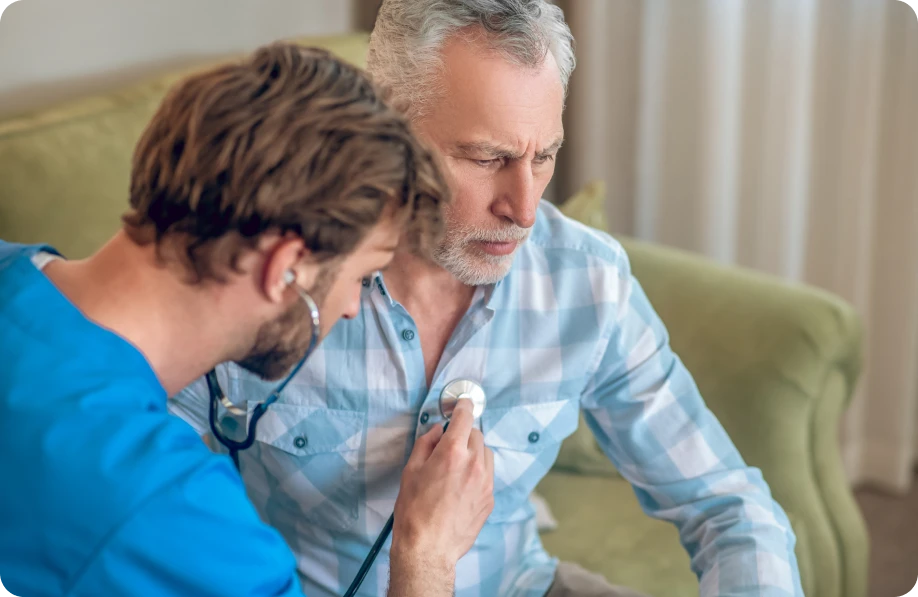
Continuous observation of blood pressure, heart rate, and oxygen levels to ensure recovery progress.
Supportive Care
Managing associated conditions such as fever, infection, or heat exhaustion.
Our ER for Dehydration ensures every patient receives fast, comprehensive, and safe rehydration in a controlled environment.
What to Expect When You Arrive at Altus Lumberton Hospital and ER
When you arrive at our Lumberton location, you’ll be greeted by our caring staff who will quickly evaluate your symptoms and hydration status. Our physicians will perform tests to determine the severity of dehydration and begin Dehydration treatment immediately, starting with IV fluids and necessary medications. Throughout your visit, our team will closely monitor your vital signs, ensuring safe and effective rehydration. We understand that Dehydration emergencies can feel overwhelming, so we provide compassionate, patient-centered care to help you recover comfortably and confidently.
Altus Lumberton Hospital