ER for Trauma Injuries in Lumberton
Traumatic injuries can happen suddenly and range from minor wounds to life-threatening emergencies. At Altus Emergency Center in Lumberton, our ER for trauma injury provides 24/7 expert care, rapid evaluation, and advanced treatment options. Whether caused by an accident, fall, or blunt force impact, timely care from our compassionate team can make all the difference in recovery and survival.
- Upfront Pricing
- Insurance Accepted
- Easy-to-Read Bills
- Compassionate Care

Find the Fastest Route to Emergency Care
Clear directions to help you reach us without delay when every minute matters.
What Are Traumatic Injuries?
Traumatic injuries refer to physical damage sustained by the body from external force. They can occur during car accidents, sports activities, workplace incidents, or household falls. Some are relatively mild, while others require immediate attention in an emergency room for trauma injury to prevent long-term complications or death. Trauma may affect the skin, muscles, bones, organs, or brain, and can involve both visible wounds and hidden internal damage. Because traumatic injuries can be unpredictable and severe, rapid diagnosis and intervention are critical for ensuring patient safety and recovery.
Types of Trauma Injuries
Traumatic injuries are categorized based on their mechanism and severity. Medical professionals often divide them into blunt and penetrating injuries, each requiring specific evaluation and care.
By Mechanism
Blunt Force Trauma
Occurs when the body is struck by a non-penetrating force, such as in car accidents, sports collisions, or falls. Patients needing an ER for blunt force trauma injury may suffer from internal bleeding, fractures, or organ damage that isn’t immediately visible.
Penetrating Trauma
Involves objects piercing the skin and tissues, such as gunshot wounds, stabbings, or sharp object injuries. These cases demand immediate surgical evaluation.

Altus Lumberton Hospital
By Severity
Minor Trauma
Cuts, bruises, or sprains that may still need medical evaluation to rule out complications.
Moderate Trauma
Fractures, concussions, or deep lacerations requiring emergency care and possibly surgery.
Severe Trauma
Life-threatening injuries such as head trauma, spinal cord injury, internal bleeding, or multiple fractures. These demand rapid stabilization in an emergency room for trauma injury.
Trauma Injuries? Skip Urgent Care — Go to the ER
While urgent care centers may handle minor cuts or sprains, they are not equipped for life-threatening injuries. Severe trauma often requires surgical teams, advanced imaging, and critical care resources that only an ER for trauma injury can provide. Every minute matters in cases of internal bleeding, traumatic brain injury, or spinal cord damage. Heading directly to the ER ensures immediate stabilization, accurate diagnosis, and potentially life-saving interventions. For any suspected blunt force trauma injury or severe trauma, the emergency room is the safest choice.
When to Seek Emergency Care for Trauma Injuries
Seek emergency care right away if you experience any of the following after an accident or injury:
- Severe bleeding that won’t stop with pressure.
- Visible bone fractures or joints that appear dislocated.
- Loss of consciousness, confusion, or memory loss after impact.
- Severe chest pain, difficulty breathing, or signs of collapsed lung.
- Abdominal pain or swelling following trauma, which may indicate internal bleeding.
- Head trauma with vomiting, dizziness, or seizures.
- Back or neck pain suggesting spinal cord involvement.
- Sudden weakness, numbness, or paralysis in limbs.
When in doubt, it’s always safer to come directly to our emergency room for trauma injury in Lumberton for immediate evaluation.
Risks of Delaying Treatment
Delaying trauma treatment can result in serious complications or death. Conditions like internal bleeding may not show immediate symptoms but can become life-threatening within minutes. Untreated fractures risk permanent deformity, while spinal injuries may cause irreversible paralysis if not stabilized quickly. A delay in seeking care at our ER for trauma injury can lead to longer hospital stays, more invasive procedures, or life-threatening infections. Quick action ensures early intervention, improves outcomes, and often prevents lasting disability.
Visit us at Altus Lumberton Hospital in Lumberton or call 409-755-2273 — our medical team is available 24/7 to provide expert care.
We accept Medicare and all private insurance plans.
Common Trauma Injuries We Treat
At Altus Emergency Center in Lumberton, our physicians diagnose and treat a wide range of trauma-related conditions, including:
- Head Trauma
Concussions, skull fractures, and brain injuries from accidents or falls.
- Spinal Injuries
Damage to vertebrae or spinal cord, causing pain, weakness, or paralysis.
- Chest Trauma
Broken ribs, collapsed lungs, or blunt cardiac injuries.
- Abdominal Trauma
Organ injuries or bleeding that require urgent evaluation.
- Fractures and Dislocations
Broken bones or dislocated joints from high-impact accidents.
- Severe Cuts and Lacerations
Deep wounds needing surgical repair or infection prevention.
- Soft Tissue Injuries
Muscle tears, ligament sprains, and severe bruising caused by blunt impact.
How We Diagnose Trauma Injuries
When you arrive at our emergency room for trauma injury, our doctors immediately assess and stabilize your condition. Diagnosis may include:
Physical Exam
Checking airway, breathing, circulation, and neurological status.
Imaging Studies
On-site X-rays, CT scans, and MRIs to detect fractures, brain injuries, or internal bleeding.
Blood Tests
To monitor blood loss, infection, or organ function.
Ultrasound
Used in trauma cases (FAST scan) to quickly check for internal bleeding.
These tools allow our physicians to provide rapid and precise care for blunt force trauma injuries and other severe conditions.
Treatment Options for Trauma Injuries
Treatment depends on the type and severity of the trauma, but may include:

Medication
Pain relievers, IV fluids, and antibiotics to control symptoms and prevent infection.
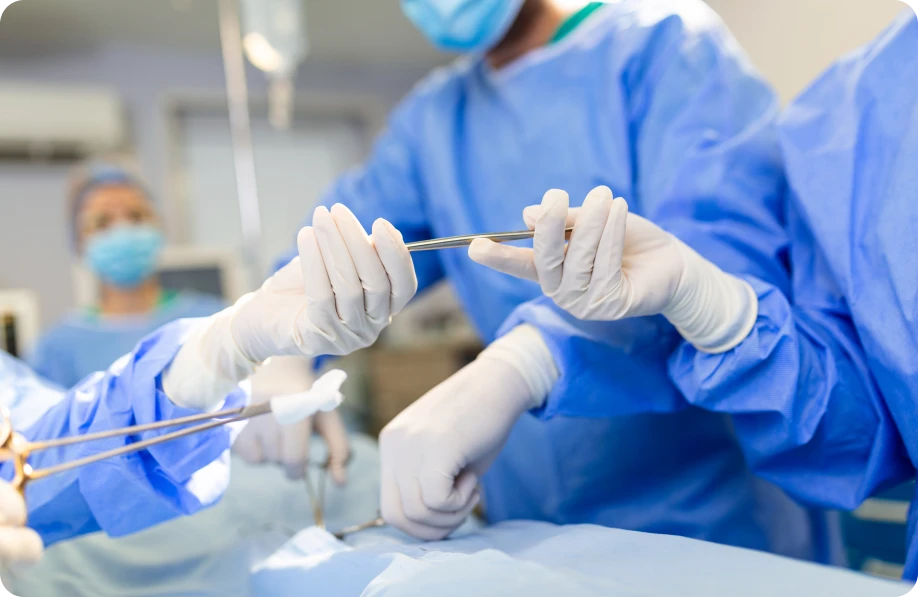
Surgical Intervention
Emergency surgeries to repair internal bleeding, fractures, or organ damage.

Critical Care Support
Stabilization with oxygen, ventilators, or blood transfusions as needed.
Orthopedic Care
Casting, splinting, or surgical repair for fractures and joint injuries.

Observation and Monitoring
Patients may stay in the ER for trauma injury for close observation before further treatment or discharge.
What to Expect When You Arrive at Altus Emergency Centers
When you arrive at Altus Emergency Centers in Lumberton, our team immediately evaluates the severity of your trauma. You will undergo triage, followed by rapid diagnostic tests such as imaging or blood work. Our experienced emergency physicians explain each step of the process, keeping you and your loved ones informed. From stabilization to treatment, we focus on compassionate, patient-centered care to help you feel supported during this stressful time. Trauma injuries can be overwhelming, but our emergency room for trauma injury is fully equipped to provide the expert, life-saving care you need.
Altus Lumberton Hospital